Edition
8 October 2026
UK
| Story | UK prominence | Neutrality | Lead story at | Top 3 at |
|---|---|---|---|---|
| Badenoch’s family-home inheritance tax pledge | 10 | 6 | Mail, Times, Telegraph, Independent | BBC, Sky, Guardian |
| Burnham meets Merz in Berlin on security pact | 6 | 7 | none | BBC, Telegraph, Sky |
| Reform clears its own aides over donations sting | 5 | 4 | Mirror | Channel 4, Guardian |
| UK’s East Jerusalem consulate signs come down | 4 | 3 | none | Times |
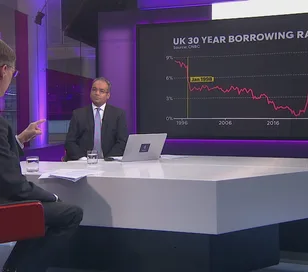
| UK 30-year borrowing costs hit 28-year high | 3 | 8 | none | Channel 4 |
World
| Story | World prominence | Neutrality | Lead at | UK pickup |
|---|---|---|---|---|
| Houthi attacks on Saudi airports kill three | 8 | 5 | Arab News, Al Arabiya | BBC, Guardian |
| Christa Pike wakes after failed execution | 7 | 8 | CNN, NBC, ABC News | Guardian, Independent, Mail, Channel 4, BBC |
| WHO presses Russia over suspected plague death | 7 | 4 | CNN, NYT | BBC, Guardian, Telegraph, Mail |
| Evicted Spanish pensioner Maricarmen dies | 6 | 8 | NYT, CNN | BBC, Guardian, Telegraph, Sky |
| Israeli strikes in Gaza on 7 October anniversary | 6 | 2 | Al Jazeera | BBC, Guardian |
1. Badenoch vows to scrap inheritance tax on family homes
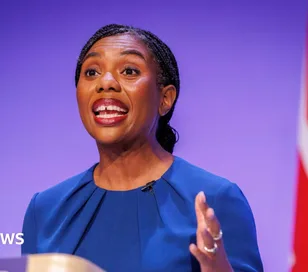
Kemi Badenoch used her closing speech to the Conservative conference in Birmingham on Wednesday to pledge that a Conservative government would scrap inheritance tax on family homes, whatever their value, and let couples pass on a further £1m in other assets tax-free. She said her ambition was to abolish the tax altogether “as soon as we can afford it,” but that spending commitments on defence, prisons and the economy ruled that out for now. The party puts the cost at £6bn, to be paid for by cuts it says it has identified, including to the welfare bill, and says the number of families paying the tax (currently fewer than 5%) would fall by more than half. “This is my guarantee: no stamp duty when you buy your home; no mansion tax when you live in your home; and no inheritance tax on your home when you pass it to your children or grandchildren,” she said.
Badenoch pitched the Conservatives as the “no-nonsense party” against what she called the Reform UK “circus,” accused Prime Minister Andy Burnham of wanting to “live in the past,” and attacked Reform politicians who suggest people of Asian and African heritage cannot be English, saying of Nigel Farage’s party: “They are not like us. We are not like them.” Labour and Reform have criticised the inheritance tax plan as help for a wealthy minority. Most of Thursday’s national front pages lead on the speech.
How it was framed
- Daily Mail (UK, commercial) · splashes “Kemi’s family home pledge,” says she “electrified” the hall and presents the plan as protecting the family home from Labour, funded by welfare cuts. Focus 5: Quotes the full “guarantee” and gives the £6bn cost and welfare funding, but wraps the policy in protecting homes “from Labour” and an electrified hall, so partisan colour shares the lead.
- The Telegraph’s front page, as shown in the BBC’s review of today’s papers (UK, commercial) · “We’re ready for the fight,” over a photograph of a grinning Badenoch with her husband Hamish. Focus 3: Headlines a fighting slogan and a personal photograph rather than the inheritance tax measure, so the splash sells the leader’s mood ahead of what the policy does or what it costs.
- The Times’s front page, via the same BBC papers round-up (UK, commercial) · echoes her promise that the “Tories ‘will make you better off’,” with the paper describing the pitch as aimed at Middle England. Focus 5: Puts her “better off” promise in the headline and reads the speech as a play for Middle England, keeping the tax offer in view but framed as electoral targeting rather than policy detail.
- BBC (UK, public-service) · leads on the family-home exemption and the £1m allowance, her caveat on full abolition, and her “no-nonsense party” contrast with Reform and Burnham. Focus 8: Leads on what the pledge would do, including the £1m allowance and her caveat that full abolition is unaffordable, with the Reform and Burnham attacks reported as secondary speech content.
- The Guardian (UK, commercial) · headlines accusations that the Tories are “prioritising rich voters,” noting fewer than 5% of estates pay and raising fears of an overheating housing market. Focus 5: Reports the policy and costing accurately but builds the headline around the “prioritising rich voters” critique and the party’s southern-base strategy, so distributional politics frames the event.
- Daily Mirror (UK, tabloid) · calls it a “tax giveaway for richest families” and “a desperate attempt” to win back voters who deserted the Conservatives. Focus 2: Opens with “desperate attempt” and “giveaway for richest families” language, so the reader meets an attack line on motive before a neutral account of what the pledge contains.
- Channel 4 (UK, public-service) · Gary Gibbon leads on her “furious attack” on Reform’s ethno-nationalism and threats to journalists, treating the tax pledge as “eye-catching retail politics.” Focus 4: Centres the Reform confrontation and her line on threats to journalists, which touches Channel 4’s own reporting, and relegates the inheritance tax pledge to a single sentence of retail politics.
- Reuters (International, wire) · straight report that the opposition leader pledged to abolish inheritance tax on family homes and let couples pass on an extra £1 million. Focus 9: A straight wire account that leads on the inheritance tax pledge and the £1m allowance, describing Badenoch simply as opposition leader without adding motive or colour.
- AP (US, wire) · headlines Badenoch saying the party is reviving and ruling out a pact with Farage’s Reform UK. Focus 6: Headlines party revival and the ruled-out Reform pact for an international audience, so the right’s realignment outranks the inheritance tax pledge that led UK coverage.
- New York Times (US, commercial) · conference-mood piece on buoyed activists, Badenoch’s rising poll ratings and a mock Bayeux Tapestry, with the Reform U.K. challenge as the frame. Focus 4: Builds the piece around activists’ mood, poll ratings, a mock tapestry and the fight for the British right, so personalities and positioning carry it rather than the day’s tax policy.
- Politico Europe (Europe, commercial) · “5 takeaways” from a “fighty” speech: brickbats at Labour and Farage, rejection of any attempt to “unite the right,” and the task of winning over voters. Focus 5: A takeaways format that weighs her attacks on Labour and Farage and the “unite the right” question as heavily as the tax offer, reading the speech mainly as political positioning.
Neutrality: 6/10. The policy details and the £6bn figure are common ground. UK coverage splits sharply between a pledge that protects ordinary family homes (Mail, Telegraph) and a giveaway to the wealthy (Guardian, Mirror), while Channel 4 and the international desks (AP, NYT, Politico) mostly read the speech as a story about Reform and the battle for the right.
2. Burnham meets Merz in Berlin to launch UK-Germany security pact
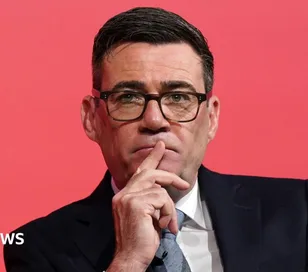
Prime Minister Andy Burnham travels to Berlin on Thursday for his first face-to-face meeting with German Chancellor Friedrich Merz, where the two are launching a joint partnership to counter sabotage, cyber attacks and other hybrid threats, especially from Russia. The partnership will involve sharing information and co-ordinating action to monitor, deter and disrupt threats and to protect critical infrastructure. Downing Street said deeper co-operation against hybrid threats would be high on the agenda; last month Germany accused Russia of launching a drone fitted with explosives at Leipzig/Halle Airport. The leaders will also discuss support for Ukraine, the Middle East and disruption to trade routes such as the Strait of Hormuz, and convene a UK-Germany Regional Growth Forum with business leaders.
The visit follows Burnham’s conference pledge to set out options for a closer relationship with the EU, including the prospect of eventually rejoining. A German government spokesman said any future referendum would be a question for Britain but that Berlin supports stronger UK-EU ties, and French finance minister Roland Lescure told the BBC that Britain was welcome to “come all the way” back. The Telegraph reports that Burnham is preparing to raise tariffs on Chinese electric cars as part of a closer relationship with the EU, while Politico reports that Brussels and London are working to avoid a 10% tariff on cross-Channel electric vehicle trade due from the start of next year.
How it was framed
- BBC (UK, public-service) · leads on cyber and sabotage talks, the Leipzig/Halle drone accusation and Berlin’s support for closer UK-EU ties. Focus 8: Leads on the security agenda and the Russian hybrid threat that prompted it, adding Berlin’s position on UK-EU ties as context rather than turning the visit into a rejoin story.
- The Telegraph (UK, commercial) · reports that Burnham is preparing to raise tariffs on Chinese electric cars to get closer to the EU, ahead of the Merz visit. Focus 6: Recasts the Berlin trip through a China tariff move and EU alignment, a genuine policy angle but one that puts the trade-politics thesis ahead of the security pact being signed.
- BBC (UK, public-service) · Roland Lescure invites Britain to “come all the way” back to the EU after Burnham signalled a second referendum was “possible.” Focus 5: Builds on a French minister’s invitation to rejoin and Burnham’s referendum remarks, so speculation about Brexit’s reversal outweighs what the two governments are actually agreeing in Berlin.
- Daily Mail (UK, commercial) · Alex Brummer column: the euro is “in freefall,” “France is going bust,” and “What a time for Andy Burnham to plot to rejoin the EU.” Focus 2: An opinion column that frames the visit as a plot to rejoin a failing bloc, substituting a Eurosceptic argument about France and the euro for the security partnership itself.
- Reuters (International, wire) · Britain and Germany will launch a joint partnership to counter sabotage and cyberattacks as Burnham and Merz meet in Berlin. Focus 9: Keeps to the announced partnership, the meeting and its purpose, reporting the security deliverable in plain wire terms without EU-membership speculation or partisan framing.
- Arab News (Saudi, commercial) · runs the same Reuters London wire on the sabotage and cyber partnership. Focus 9: Carries the Reuters wire unchanged, so the account stays on the partnership and the Berlin meeting with no added angle for a Gulf readership.
- DW (Germany, public) · Germany news live page leads with the new security partnership, Ukraine and Middle East talks, alongside Steinmeier’s state visit to France. Focus 8: The host country’s public broadcaster treats the visit as a security partnership with Ukraine and Middle East talks attached, placing it among other German news without a Brexit angle.
- Politico Europe (Europe, commercial) · exclusive that the European Commission is working with the UK to avoid a 10% cross-Channel electric vehicle tariff that threatens Burnham’s reindustrialisation drive. Focus 7: A detailed trade story on rules of origin and the January tariff cliff edge, tightly sourced but adjacent to the Berlin visit rather than about the security talks themselves.
Neutrality: 7/10. The security partnership and its Russian context are reported consistently. The divergence is over what the trip means: a defence and intelligence deal (BBC, Reuters, DW), a step towards EU alignment and China tariffs (Telegraph, Politico), or, in the Mail’s comment pages, a plot to rejoin a failing union.
3. Reform clears its own officials over donations sting
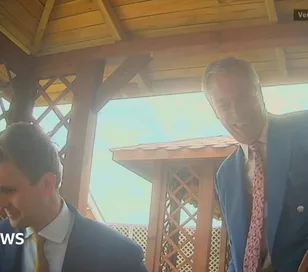
Reform UK published a 27-page internal report concluding that two senior figures, Nigel Farage’s aide Dan Jukes and the party’s head of policy James Orr, did not break electoral law when they were filmed by undercover reporters discussing ways the party could receive foreign donations, including a proposed £500,000 gift. The footage, gathered by Verbatim Investigations, was broadcast by Channel 4 News in September. The report found the two had “said things that were wrong, careless and in one instance untrue,” but concluded the £500,000 donation “did not take place” and that Reform had not commissioned polls paid for by the undercover reporters.
Both men stood down pending the inquiry and remain suspended while the Metropolitan Police continues a separate criminal investigation into possible offences under electoral law. The inquiry was carried out by the party’s legal secretary, barrister Adam Richardson, and its general secretary, Tom Waterhouse. Reform said Verbatim had “acted unlawfully” and threatened legal action. Labour called the report a “whitewash,” saying “you can find more whitewash in this report than at your local B&Q,” and the Daily Mirror’s front page reads “Reform not dodgy, says Reform.”
How it was framed
- BBC (UK, public-service) · leads on the inquiry’s finding of no breach of electoral law, the two aides standing down and the separate Met criminal investigation. Focus 8: Leads with the inquiry’s conclusion and immediately sets it beside the continuing Met investigation and the original undercover footage, staying with the procedural facts on both sides.
- The Guardian (UK, commercial) · “clears its own officials … despite police investigation,” naming the inquiry’s authors and carrying Labour’s “whitewash” charge and doubts about the “contractors” defence. Focus 6: Reports the findings in detail, but the headline’s “its own officials … despite police investigation” framing and Labour’s credibility attack put the inquiry’s independence at the centre.
- The Telegraph (UK, commercial) · exclusive that Reform did not break any laws when senior figures were recorded discussing a £500,000 gift from a foreign donor. Focus 7: Leads with the party’s exonerating finding as an exclusive and the £500,000 detail, staying on the report’s conclusions though giving less early weight to the police inquiry.
- The Daily Mirror’s front page, as shown in the BBC’s review of today’s papers (UK, tabloid) · “Reform not dodgy, says Reform,” dismissing the internal probe as a whitewash. Focus 2: A mocking splash that dismisses the report as Reform marking its own homework, so ridicule replaces any account of what the inquiry examined or found.
- Channel 4 (UK, public-service) · the broadcaster behind the original sting reports Reform “clears itself,” stresses its footage was verified and carries Labour’s B&Q “whitewash” jibe. Focus 6: Reports the report’s no-law-breaking conclusion and the Met inquiry, but as the outlet whose investigation is under challenge it frames the story as Reform clearing itself.
- Evening Standard (UK, commercial) · PA account of the findings, including the “wrong, careless and in one instance untrue” criticism, the donation that “did not take place” and Reform’s legal threat. Focus 9: A wire-style account that gives both the exoneration and the report’s own criticisms of the two men, plus the legal threat and police inquiry, without adopting either side’s language.
- Sky News (UK, commercial) · internal inquiry clears two high-ranking aides who stood down after the Verbatim sting was broadcast by Channel 4 last month. Focus 8: Sets out who was cleared, why they stood down and the origin of the sting in a straight news report, keeping the focus on the inquiry outcome.
- Daily Mirror (UK, tabloid) · comment: nobody should be surprised that Reform has cleared its own people. Focus 2: An opinion piece arguing the outcome was predictable, so a judgement on Reform’s credibility replaces reporting of what the inquiry found and what police are still examining.
- Politico Europe (Europe, commercial) · Reform publishes an investigation “purporting to clear” two aides and threatens legal action against Verbatim; their futures await the Met inquiry. Focus 7: Reports the findings, legal threat and pending police inquiry from Birmingham, with “purporting to clear” signalling scepticism but the piece otherwise staying on the facts.
Neutrality: 4/10. The report’s conclusions and the parallel Met investigation are agreed facts. UK outlets divide between treating it as an exoneration (Telegraph’s exclusive framing) and as a self-marked whitewash (Mirror, Guardian, Channel 4), and international interest was confined to Politico’s London desk.
4. UK consulate in East Jerusalem removes signs as Israel’s closure deadline expires
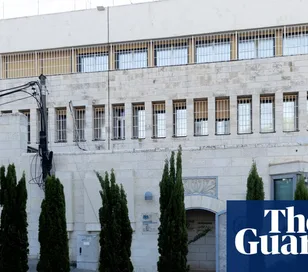
Workers removed a plaque reading “British Consulate General” and a sign for the consular section from the UK mission in East Jerusalem overnight as Israel’s deadline to shut it arrived on Thursday, Reuters reported; the union flag was still flying. Israeli Foreign Minister Gideon Saar ordered the closure on 8 September in response to UK sanctions on Israeli settlements in the occupied West Bank, including a ban on importing goods made there, which Foreign Secretary Ed Miliband announced to the Commons. The United Nations and most countries regard the settlements as illegal under international law; Israel disputes this.
The consulate, first established in 1838, handles UK relations with Palestinians in Jerusalem, the West Bank and Gaza and is separate from the embassy in Tel Aviv. National Security Adviser Jonathan Powell made an undisclosed visit to Israel last week but left without an agreement. Israeli media and Reuters sources had reported that Britain was likely to expel Israeli diplomats (up to 27, according to Israeli media) if the closure went ahead; The Times now reports that Israel will strip the consulate of its diplomatic status but will not expel British diplomats, who can continue working from the Tel Aviv embassy.
How it was framed
- The Times’s front page, as shown in the BBC’s review of today’s papers (UK, commercial) · Israel set “to close UK consulate as relationship hits a new low,” despite British efforts to prevent it. Focus 7: Leads on the closure and the state of bilateral relations, a diplomatic frame that stays with the event while saying less about the Palestinians the mission serves.
- BBC (UK, public-service) · UK’s last-ditch effort to stop the closure, Powell’s undisclosed visit, the 1838 mission’s role and Israeli reports of up to 27 expulsions. Focus 8: Sets out the deadline, the mission’s history and services, the diplomatic effort and the threatened retaliation, giving both governments’ positions without a substitute thesis.
- The Guardian (UK, commercial) · “Palestinians will bear the cost”: a Crisis Group analyst and Sheikh Jarrah residents on losing consular services, at the lowest point in UK-Israeli relations for decades. Focus 6: Reports the closure and expulsion threat but builds the piece around Palestinian losses and an analyst’s critique of Israel’s motive, so impact and blame shape the account.
- The Telegraph (UK, commercial) · Britain threatens to expel Israeli diplomats in the row over the consulate. Focus 6: Leads on the threatened tit-for-tat expulsions, so escalation between London and Jerusalem is the story rather than the closure order and the sanctions behind it.
- New York Times (US, commercial) · Jonathan Powell visited Israel last week to try to negotiate over the closure, according to three officials. Focus 8: A tightly sourced diplomatic scoop on the secret negotiations, keeping to who travelled and why, without editorialising on either government’s position.
- Reuters (International, wire) · eyewitness report of workers removing signs and plaques overnight as the Israeli order over settlement sanctions expires. Focus 9: An eyewitness wire account of the signs coming down and the order’s expiry, with the settlement-sanctions trigger given as cause and no added interpretation.
- Arab News (Saudi, commercial) · carries the Reuters eyewitness report of the signage removed as the Israeli shutdown order expires. Focus 9: Reproduces the Reuters account of the signs coming down and the sanctions dispute behind it, adding no regional commentary of its own.
- Al Jazeera (Qatar, state-funded) · Reuters-based report on signage removed in “occupied East Jerusalem” in response to UK sanctions on “illegal Israeli settlements.” Focus 7: Uses the Reuters eyewitness facts but frames them consistently in the language of occupation and illegal settlements, so legal status is foregrounded alongside the event.
- Al Arabiya (Saudi, commercial) · Reuters sources say Britain is likely to expel Israeli diplomats if the consulate is shut in the settlement-sanctions dispute. Focus 8: Carries the Reuters sourcing on likely British retaliation, staying with the diplomatic mechanics and the dispute’s cause rather than adding a regional angle.
- Jerusalem Post (Israel, commercial) · opinion: Saar must stand by his decision to close the consulate, framed as a question of Israeli sovereignty over Jerusalem. Focus 2: An opinion piece arguing for Israeli sovereignty and against backing down, so the sovereignty claim replaces reporting of the closure, the sanctions or the Palestinians affected.
- TASS (Russia, state) · relays The Times: Israel will close the consulate but will not expel its nearly 30 diplomats, who can work from the Tel Aviv embassy. Focus 8: A short relay of The Times’s report with the sanctions background, keeping to what Israel will and will not do and adding no Russian commentary.
Neutrality: 3/10. The deadline, the sanctions trigger and the signs coming down are agreed. Framing clashes between a bilateral diplomatic rupture (Times, BBC, NYT), a cost borne by Palestinians under occupation (Guardian, Al Jazeera), and an assertion of Israeli sovereignty over Jerusalem (Jerusalem Post).
5. UK borrowing costs hit 28-year high as Iran war squeezes public finances
The yield on 30-year UK government bonds rose to its highest level since 1998 on Wednesday as a global bond selloff pushed equivalent US borrowing costs to their highest since 2002, adding to pressure on Chancellor John Healey. The Telegraph attributed the rout to fears about surging government spending, higher oil prices and rising interest rates. In London the FTSE 100 closed down 0.8% at 10,458.50, while the Cac 40 in Paris and the Dax 40 in Frankfurt each fell 1.4%; Bank of France head Emmanuel Moulin said France’s economic situation was serious but that it did not need help from the European Central Bank.
The Financial Times reports that the Iran war has blown a near-£12bn hole in Britain’s public finances, halving Healey’s headroom against his fiscal rules. Channel 4 noted that the UK is not alone, with borrowing rates surging in many other countries.
How it was framed
- The Telegraph (UK, commercial) · “fresh bond rout” driven by fears about surging government spending, higher oil prices and rising interest rates. Focus 8: Leads on the market move and names its drivers, with spending fears given prominence, so the account stays with the bond data while nodding to fiscal politics.
- Channel 4 (UK, public-service) · Neil Macdonald on 30-year borrowing at its highest since 1998, stressing “we’re not alone” as rates surge in many other countries. Focus 9: Explains the 30-year yield move and puts it in a global context, resisting a purely domestic blame frame and staying on what happened in the markets.
- Evening Standard (UK, commercial) · markets report: European stocks slump as bonds sink, with French and Italian debt at the epicentre and the Bank of France’s comments spooking investors. Focus 9: A closing-markets report with index levels, the French trigger and analyst comment, tightly on the day’s trading with no political overlay.
- The Financial Times’s front page, as shown in the BBC’s review of today’s papers (UK, commercial) · the Iran war “blows £12bn hole in Healey’s room for manoeuvre.” Focus 6: Turns the bond move into a fiscal squeeze on the Chancellor with an Iran-war cause, a strong analytical frame that looks ahead to budget politics more than the day’s market facts.
- Reuters (International, wire) · 30-year gilt yields at a 28-year high in a global selloff, with US borrowing costs at their highest since 2002, adding pressure on Healey. Focus 9: Reports the yield level, the global trigger and the US comparison in standard markets style, noting the pressure on Healey without speculating about tax decisions.
Neutrality: 8/10. The numbers and the global nature of the selloff are reported consistently. The main difference is emphasis, between a market event shared with France, Italy and the US (Channel 4, Reuters, Standard) and a domestic fiscal problem for Healey (FT, Telegraph); beyond the wires, we found no foreign panel coverage of the UK move.
6. Houthi attacks on Saudi airports kill three
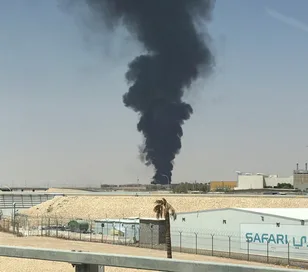
Three people were killed and 36 injured in Houthi attacks on two Saudi airports on Tuesday and Wednesday, Saudi Arabia’s General Authority of Civil Aviation said. Two women residents, a Moroccan and an Algerian, were killed and 28 people injured at Abha International Airport, near the Yemeni border; a Sudanese national was killed and eight injured at King Khalid International Airport in Riyadh. The Houthis claimed both attacks. The Saudi-led coalition said it had destroyed 82 Houthi military targets in Saada, Hodeidah, Al-Jawf and Marib in response. On Thursday Houthi military spokesman Yahya Saree said the group had struck Riyadh’s airport again with a ballistic missile and urged airlines to avoid Saudi airspace; Saudi authorities had not confirmed the claim.
The attacks mark a further escalation in the renewed war between Saudi-backed Yemeni government forces and the Iran-backed Houthis. Houthi forces appeared to be advancing towards Taiz and fired at Aden airport moments before a flight from Cairo was due to land; Britain’s ambassador to Yemen, Abda Sharif, said the attack could have endangered thousands. Pakistan confirmed to CNN that it has troops stationed in Saudi Arabia, days after Pakistan, Turkey and Saudi Arabia agreed to the rapid deployment of forces under a new mutual defence treaty.
How it was framed
- BBC (UK, public-service) · leads on the three deaths and the aviation authority’s figures for Abha and Riyadh, set in the renewed war between Saudi-backed forces and the Houthis. Focus 8: Leads on the casualties and official figures for each airport and attributes the claims clearly, with the wider war given as context rather than as the headline.
- The Guardian (UK, commercial) · Houthi advance towards Taiz and the near-miss at Aden airport, with the British ambassador’s warning and the Saudi airport claims. Focus 7: Centres the battlefield picture and the Aden near-miss, including a British diplomatic angle, so the Saudi airport deaths become one strand of a front-line story.
- Al Jazeera (Qatar, state-funded) · names the victims’ nationalities, quotes the aviation authority and sets out both attacks in detail. Focus 8: A detailed casualty-led account that identifies the victims as foreign residents and sticks closely to the Saudi authority’s statement on each airport.
- Al Arabiya (Saudi, commercial) · three killed and 36 injured in attacks on Saudi airports, citing the civil aviation authority. Focus 8: The Saudi broadcaster leads on the official toll and the authority’s figures, staying with the attacks themselves rather than the politics of the war.
- Arab News (Saudi, commercial) · Arab and GCC leaders condemn the deadly Houthi attacks on Saudi airports. Focus 5: Leads on regional condemnation of the attacks, so solidarity with the kingdom frames the story ahead of the operational facts of what was hit and how.
- CNN (US, commercial) · exclusive that Pakistan already has troops in Saudi Arabia, as the Houthis kill three in airport attacks. Focus 6: Leads on its Pakistani troops exclusive and the new defence treaty, so alliance-building frames the story more than the airport attacks themselves.
- New York Times (US, commercial) · report on the Houthi attacks on Saudi airports and the deaths at Abha and Riyadh. Focus 8: Treats the airport attacks and casualties as the news, reporting the Saudi figures and Houthi claims as an escalation of the Yemen war.
- AP (US, wire) · attacks on Saudi airports claimed by Houthi rebels kill three people, officials say. Focus 9: A straight wire account that leads on the deaths and attributes both the toll and the claim of responsibility, without adding geopolitical framing.
- DW (Germany, public) · headlines the Houthis’ claimed new missile strike on Riyadh airport alongside the three-death toll, quoting Yahya Saree. Focus 6: Puts the Houthis’ own strike claim and spokesman’s words at the top, which blurs the confirmed Saudi casualty figures with an unverified new attack.
- France 24 (France, state-funded) · Saudi Arabia says it will retaliate after deadly Houthi attacks on airports, with three killed and 36 wounded at Abha and Riyadh. Focus 7: Leads on the Saudi vow to retaliate and then the casualty figures, keeping to attributed statements but putting the military response ahead of the victims.
- Tehran Times (Iran, state) · “Yemen’s Ansarallah strikes Aden airport and Saudi targets,” relaying claims of a hit on a “Saudi military supply convoy” and disputing the government’s recapture of Mocha. Focus 3: Uses the movement’s preferred name and its military claims as the frame, presenting the strikes as hits on Saudi military targets while the civilian deaths drop out of the lead.
- CGTN (China, state) · leads on the coalition’s operation against 82 Houthi targets in response to the attacks, citing the aviation authority’s toll. Focus 8: Reports the Saudi retaliation in official terms with the casualty figures attached, an even-toned relay of both sides’ military announcements.
- RT (Russia, state) · explainer on why Saudi Arabia is back at war in Yemen, tying the fighting to the Bab el-Mandeb and the “US-Israeli war on Iran.” Focus 5: A background explainer that places the war in a frame of US and Israeli responsibility for regional disruption, informative on history but detached from the day’s deaths.
- TASS (Russia, state) · relays the Houthi spokesman’s claim of a hit on Riyadh airport and his call for airlines to avoid Saudi airspace. Focus 5: Carries the Houthi claim and warning to airlines without Saudi confirmation or the earlier casualty figures, so one side’s battlefield messaging stands alone.
- Ynet (Israel, commercial) · brief: Saudi authority reports two killed at Abha and one in Riyadh, with the Houthis claiming the launches. Focus 9: A brief, strictly factual item giving the official death toll by airport and the Houthi claim of responsibility, with nothing added.
- ABC Australia (Australia, public) · explainer on why the world cannot afford the latest Houthi conflict, centred on the Bab el-Mandeb strait and shipping. Focus 6: Frames the escalation through the strait’s importance for trade, useful context but centred on shipping consequences rather than the airport strikes.
Neutrality: 5/10. The death toll and the Houthi claims of responsibility are widely shared. Coverage splits between a civilian-casualty story (BBC, Al Jazeera, Al Arabiya, Ynet), Gulf solidarity and Saudi retaliation (Arab News, CGTN, France 24), alliance and shipping geopolitics (CNN, ABC Australia, RT), and Iranian state media’s framing of the strikes as hits on Saudi military targets.
7. Christa Pike wakes “angry and confused” after failed execution
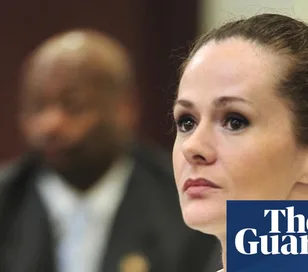
Christa Pike, 50, awoke “angry and confused” after surviving Tennessee’s attempt to execute her with two doses of the barbiturate pentobarbital on 30 September, her lawyers said on Wednesday, as a judge ordered the state to preserve all evidence related to the failed execution. Lawyer Randy Spivey said that on Monday night their understanding was that she was brain dead and that life support would be removed the next day, but on Tuesday “Christa woke up and began talking.” Her first words were reported as “Where am I?” and “Who are you?” She has pneumonia, a blood clot in one arm and cannot swallow, has no function in her arms, and remains shackled to her hospital bed, her lawyers said.
Pike was sentenced to death for the 1995 murder of her classmate Colleen Slemmer. Doctors told NBC News that most of the drug appeared to have gone into her arm rather than her bloodstream. Her lawyers argue a second attempt would be cruel and unusual punishment under the Eighth Amendment and want Governor Bill Lee to commute her sentence; Lee has kept execution on the table. Texas has since carried out the first US execution after the Pike case, putting Jamaal Howard to death by lethal injection.
How it was framed
- The Guardian (UK, commercial) · “angry, confused” and unable to move her arms; nearly taken off life support; shackled to her bed; judge orders evidence preserved. Focus 8: Leads on her condition and the court order, with the shackling and life-support detail adding weight to the human cost while staying with the facts of the case.
- The Independent (UK, commercial) · leads on her lawyer revealing her first words, and on doubts she will regain use of her arms. Focus 7: Builds the headline on her first words, a human-interest hook, but follows with the medical prognosis and the press-conference facts.
- Channel 4 (UK, public-service) · Pike conscious and speaking after the botched lethal injection, with witnesses’ accounts of her pain and the court hearing. Focus 8: Reports her recovery, the original 1995 murder and the court hearing, with the pain witnesses reported as part of the execution record rather than as colour.
- BBC (UK, public-service) · explainer on what could happen next in the case, including whether Tennessee could try again. Focus 8: An explainer focused on the legal options ahead, keeping to process and precedent rather than to the emotional detail of her waking.
- Daily Mail (UK, commercial) · Pike “angry and confused” when she woke, as the victim’s mother gives a dejected statement. Focus 6: Pairs her condition with the victim’s mother’s reaction, bringing the 1995 crime back into the frame and balancing sympathy for Pike with the victim’s family.
- The Sun (UK, tabloid) · the family was told she was brain dead and would be taken off her ventilator before she woke. Focus 5: Leads on the family’s account and the brain-dead drama, so emotion fronts the story ahead of the court order and medical facts.
- NBC News (US, commercial) · pneumonia, a blood clot, no arm function; doctors say most of the pentobarbital went into her arm rather than her bloodstream. Focus 9: Medically detailed and sourced, explaining why the execution failed and what her injuries are, with no political framing of the death penalty debate.
- CNN (US, commercial) · recovery “medically unprecedented”; emergency motion alleges cruel and unusual punishment through “deliberate indifference.” Focus 8: Leads on the legal motion and her lawyers’ statement, keeping the allegations attributed and the hearing as the news peg.
- ABC News (US, commercial) · “Accidents happen”: what the Supreme Court has said about survivors of botched executions. Focus 8: A legal analysis of Eighth Amendment precedent, staying with the constitutional question her survival raises rather than with the drama of her waking.
- Fox News (US, commercial) · live coverage of Pike “conscious and speaking” as a Tennessee court holds its hearing. Focus 8: Live coverage pegged to her condition and the court hearing, following the day’s legal developments without a partisan overlay.
- Al Jazeera (Qatar, state-funded) · AP-based account of how close she came to being taken off life support before waking. Focus 8: A wire-based report on the near-withdrawal of life support, closely attributed to her lawyers and free of commentary on US justice.
- France 24 (France, state-funded) · wire report: after the botched US execution, Pike was nearly taken off life support. Focus 8: Carries the wire account of her near-withdrawal from life support and recovery, attributed to her lawyers without added comment.
- DW (Germany, public) · judge orders evidence preserved; lawyers press Governor Lee to commute and never reattempt the execution. Focus 8: A wire-based account built around the court order and the commutation campaign, keeping to the legal developments and leaving the emotional detail of her waking in the background.
- Ynet (Israel, commercial) · Pike “conscious, speaking” after surviving the lethal injection attempt, still shackled by her hands and feet despite severe damage to her arms. Focus 8: Relays her lawyers’ statement on her condition and the shackling in a close, attributed account, sticking to the facts of the case for an Israeli readership.
- ABC Australia (Australia, public) · first words “Where am I?”, two lethal doses, judge’s evidence order. Focus 8: Repeats the core facts of her waking and the evidence order for an Australian audience, adding nothing beyond the case itself.
- TASS (Russia, state) · leads on Texas carrying out the first US execution since the Pike incident, recapping her case. Focus 7: Leads on the Texas execution and recaps Pike’s case factually, choosing the continuation of US executions as the angle without explicit commentary.
Neutrality: 8/10. Her condition, the lawyers’ account and the evidence order are reported almost identically. Differences are in emphasis, from medical and legal analysis (NBC, ABC News, BBC) to family drama (Sun) and the victim’s family (Mail), with no outlet in our checks turning it into a broader attack on or defence of the US justice system.
8. WHO presses Russia over suspected plague death in Siberia
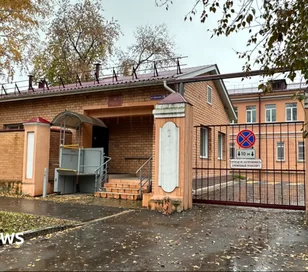
The World Health Organization said it did not yet have “the full picture” and could not carry out a full risk assessment of the death of a 28-year-old worker at the Irkutsk Anti-Plague Research Institute of Siberia and the Far East. Darya Shipilova was taken to hospital with severe pneumonia on 29 September and died on 2 October. Russian authorities say she died of pneumonia of unknown cause, while unconfirmed Russian media reports have linked her death to plague exposure at the institute. Russia’s health watchdog Rospotrebnadzor said on Wednesday that medical monitoring had been completed for more than 90% of her contacts, that no dangerous pathogens had been found, that there was no risk of an epidemic and that it was winding down preventative measures in the Irkutsk region.
Kremlin spokesman Dmitry Peskov said most media reporting, including reports of a second case, was “false information.” US Secretary of State Marco Rubio urged Moscow to share more, and President Donald Trump said “we don’t think” the case involved a bioweapon and that a call with Vladimir Putin was “set up”; the Kremlin said it was open to scheduling one promptly but that nothing was yet arranged. Mongolia has ordered surveillance on its border with Russia.
How it was framed
- BBC (UK, public-service) · leads on Trump’s planned call with Putin and his view that it is not a bioweapon, with Russia’s denial of an epidemic risk. Focus 6: Leads on Trump’s comments and the promised call with Putin, so US-Russia politics frames the story ahead of the WHO’s request and the health facts.
- The Guardian (UK, commercial) · WHO lacks “the full picture”; names Shipilova and contrasts Russian denials with quarantine restrictions in the region. Focus 8: Leads on the WHO’s statement and sets Russia’s official account against its own quarantine measures, a factual tension rather than a speculative thesis.
- The Telegraph (UK, commercial) · analysis: Russia’s plague should not scare us, but its secretive bioweapons programme should. Focus 2: Moves from an unexplained death to Russia’s suspected bioweapons programme, so a security thesis replaces the public-health facts of the case.
- Daily Mail (UK, commercial) · a former CDC director questions whether the researcher was working with a “manipulated” strain. Focus 3: Elevates an outside expert’s speculation about a manipulated strain to the headline, ahead of what Russian and WHO officials have actually confirmed.
- CNN (US, commercial) · Rospotrebnadzor says no epidemic risk and winds down measures as the WHO pleads for more information. Focus 9: Balances the Russian watchdog’s figures and the WHO’s plea for information, staying on what each authority has said.
- New York Times (US, commercial) · what experts want to know about the Russia plague scare, noting pneumonia can have many causes besides plague. Focus 8: A science-desk explainer on the open questions and biosafety, careful to separate plague from other causes of pneumonia rather than speculating about weapons.
- CBS News (US, commercial) · Russia open to “promptly” scheduling a Trump-Putin call; so far only “pneumonia of unknown origin” offered as a cause. Focus 7: Leads on the diplomatic call but documents Russia’s limited official explanation, keeping the health question in view though US-Russia diplomacy comes first.
- ABC News (US, commercial) · “We hope not”: Trump says the US does not believe it is a bioweapon, as the US presses Russia over its response. Focus 6: Organised around Trump’s remarks and US complaints, so the bioweapon question and US-Russia transparency dominate over the epidemiology.
- NBC News (US, commercial) · a Siberian town and the world remain in the dark, with residents frustrated at the lack of official updates. Focus 7: Reports from the information vacuum on the ground, a legitimate angle on the case that centres local frustration over the official statements.
- Fox News (US, commercial) · Trump says a Putin call is coming “very soon” as the administration tracks the suspected plague death. Focus 6: Puts the president and his promised call at the centre, with Russia’s assurance that the situation is “under control” relayed through him rather than examined.
- Al Jazeera (Qatar, state-funded) · Russia dismisses second-case reports as “false information” as the WHO seeks more detail. Focus 8: Sets Peskov’s dismissal beside the WHO’s request and the watchdog’s statement, attributing each claim and avoiding speculation about cause.
- France 24 (France, state-funded) · AFP: Russia warns of “false” information as a second suspected case is reported, with Washington and Brussels calling for transparency. Focus 8: An attributed wire account that pairs Moscow’s warning with the second-case reports and Western calls for openness, without endorsing either.
- DW (Germany, public) · WHO cannot fully assess the situation; Tedros quoted; Russia plays down concerns. Focus 8: A wire-based account built around the WHO chief’s words and Russia’s response, sticking to the dispute over information.
- Ynet (Israel, commercial) · a second death reported by Russian media, unconfirmed; recaps reports of a broken test tube. Focus 6: Leads on an unconfirmed second death and test-tube reports, flagging them as unverified but giving them more weight than official findings.
- TASS (Russia, state) · factbox on the watchdog’s line: “community-acquired” pneumonia, contacts cleared and the WHO informed. Focus 5: Relays the official Russian line as a factbox and omits the WHO’s stated inability to assess the risk, so reassurance stands unchallenged.
- CGTN (China, state) · Russian officials say the worker had pneumonia of unknown cause, no microorganisms linked to her work were found and the situation is stable. Focus 6: Reports Russia’s official findings prominently and at face value, so Moscow’s reassurance frames the account more than international concern.
- Al Arabiya (Saudi, commercial) · Mongolia orders surveillance on its border with Russia after the reported plague death. Focus 8: A regional-response story on Mongolia’s border measures, a concrete public-health consequence reported without speculation about cause or weapons.
- Arab News (Saudi, commercial) · Russia keeps a tight lid on the suspected pneumonic plague case as global concerns mount. Focus 7: Leads on Russian secrecy around the death, a fair reading of the information gap that nonetheless frames the story around concealment.
Neutrality: 4/10. The basic facts of the death and the WHO’s request are shared. Framing diverges sharply: Russian and Chinese state media relay reassurance and pneumonia of unknown cause, US networks frame it through Trump and Putin, and UK papers go furthest, to manipulated strains and bioweapons.
9. Spanish pensioner whose eviction sparked nationwide protests dies
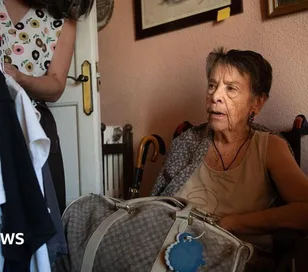
María del Carmen Abascal, 87, known across Spain as Maricarmen, whose eviction from her Madrid flat sparked nationwide protests over the housing crisis, has died, the Madrid Tenants’ Union said on Wednesday. She was carried out on a stretcher on 23 September from the apartment where she had lived for more than 70 years, after her rent was raised from €500 to €2,650 a month. The landlord later agreed to let her return at a lower rent, but she had been in hospital since the eviction. “Speculation costs lives,” union spokesperson Alicia del Río said.
Prime Minister Pedro Sánchez offered his condolences. The protests, including an encampment in Madrid’s Puerta del Sol, preceded Sánchez’s call for an early general election on 29 November after parliament rejected his housing decrees, which his government re-approved on Tuesday. Unions are calling for a general strike on 11 November.
How it was framed
- BBC (UK, public-service) · reports her death, the stretcher eviction, the landlord’s later offer and the union’s “speculation costs lives” statement. Focus 8: Leads on the death and the sequence of the eviction and landlord’s offer, with the union’s charged quote attributed rather than adopted.
- The Guardian (UK, commercial) · a symbol of those left behind by Spain’s housing market; a 230% rent rise; teargas at the eviction; “We’re all Maricarmen.” Focus 7: Gives the facts of her death and eviction but leans into her role as a symbol of the housing crisis, with protest slogans and teargas foregrounded.
- The Telegraph (UK, commercial) · Spanish octogenarian whose eviction sparked mass protests dies. Focus 8: A straight headline account of her death and the protests it sparked, without editorial judgement on the landlord or the government.
- Sky News (UK, commercial) · the woman whose eviction triggered a snap election in Spain has died. Focus 8: Links her death directly to the snap election, keeping to the chain of events from eviction to protests to the political consequences.
- The Sun (UK, tabloid) · disabled woman, 87, dies weeks after a forced eviction that sparked protests. Focus 7: Emphasises her disability and the forced eviction in the headline, adding pathos while still reporting the protests and their consequences.
- Daily Mail (UK, commercial) · disabled 87-year-old whose eviction sparked mass protests and a political crisis in Spain has died. Focus 7: Pairs her disability with the political crisis her case unleashed, a human-interest framing that still lands on the facts of the protests and election.
- CNN (US, commercial) · the rent rise from €500 to €2,650, the Sol encampment and a landlord’s climbdown that came too late. Focus 8: Details the rent rise, the protests and the landlord’s reversal, quoting the union but keeping the account on documented events.
- NBC News (US, commercial) · Sánchez’s condolences, with protesters chanting “Maricarmen lives, the fight goes on!” Focus 7: Opens on the prime minister’s condolences and street chants, reporting the political and emotional reaction alongside the facts of her death.
- New York Times (US, commercial) · “Maricarmen,” whose eviction enraged Spaniards and prompted national elections, dies at 87. Focus 7: Frames her as the figure whose eviction enraged a country and reshaped its politics, an obituary-style account that ties the death to Sánchez’s gamble.
- DW (Germany, public) · the union’s statement that her case marked “a turning point,” and the call for a general strike on 11 November. Focus 8: A wire-based report that adds the general-strike call to the facts of her death, keeping the union’s words attributed.
- France 24 (France, state-funded) · AFP wire: evicted pensioner who sparked Spain’s housing protests dies, according to the tenants’ union. Focus 9: A plain AFP wire sourced to the tenants’ union, reporting the death, the eviction and the political context plainly, without comment or added colour.
- ABC Australia (Australia, public) · reaction at the Sol protest camp and the early election called for 29 November. Focus 8: Reports the reaction at the protest camp and the election timetable, staying with the immediate events around her death.
- Arab News (Saudi, commercial) · carries the AFP wire on her death and the tenants’ union statement. Focus 9: Reproduces the AFP account unchanged, a straight wire report of the death and its political background with no added angle for a Gulf readership.
Neutrality: 8/10. The facts of the eviction, the rent rise and her death are consistent everywhere. Differences lie in tone, from symbol of a broken housing market (Guardian, NYT) to straight wire reporting (France 24, Arab News), with UK tabloids stressing her disability.
10. Israeli strikes in Gaza continue on anniversary as ceasefire toll passes 1,400
Israel carried out new strikes in Gaza on Wednesday as it marked the third anniversary of the 7 October attacks, with Palestinian officials reporting five people killed, according to AFP. Al-Shifa hospital in Gaza City reported two people killed overnight; Gaza’s civil defence identified one as Mohamed Tamous and said he was one of its volunteers. The Israeli military said it had killed “two Hamas terrorists who had exited Kamal Adwan Hospital,” one of whom had planted explosives near the “Yellow Line” separating Israeli- and Hamas-held areas, and said Tamous was a Hamas sniper who also worked for the civil defence. A drone strike in southern Gaza killed an older man and wounded seven, according to a liveblog report in the Times of Israel.
More than 1,400 people have been killed in Israeli attacks in Gaza since the ceasefire began on 10 October last year, according to figures cited by the BBC, as implementation of the US-brokered peace deal stalls. The Washington Post notes that almost a year after President Donald Trump declared the fighting over, Israeli strikes grind on and deaths continue to climb.
How it was framed
- BBC (UK, public-service) · “Every day there is killing”: a mother of five killed by gunfire in her family’s tent, as the toll since the ceasefire passes 1,400 and the peace deal stalls. Focus 6: Builds the report around one family’s loss and the cumulative ceasefire-era toll, powerful testimony that foregrounds Palestinian suffering over the day’s specific strikes.
- The Guardian (UK, commercial) · “neither war nor peace”: Palestinians on lives among disease, despair and ruins three years on. Focus 5: An anniversary feature on daily life in the ruins, strong on testimony but about the war’s long aftermath rather than the strikes and casualties of the day.
- Washington Post (US, commercial) · Israeli strikes “grind on and deaths climb,” almost a year after Trump declared the fighting over. Focus 6: Ties the continuing strikes to Trump’s declaration that the war was over, a pointed political frame around a genuine pattern of ongoing deaths.
- Reuters (International, wire) · Israelis mark three years since the Hamas attack that set off the Gaza assault, as Palestinians mourn Gaza’s destruction. Focus 7: Twin-tracks Israeli commemoration and Palestinian loss, a balanced anniversary frame that mentions the ceasefire’s limits without centring the day’s strikes.
- Al Jazeera (Qatar, state-funded) · Israeli attacks kill at least four Palestinians, including a civil defence rescue volunteer travelling to help the wounded; captions refer to Israel’s “genocidal war.” Focus 4: Reports the day’s deaths but identifies the dead man only as a rescue volunteer and uses “genocidal war” in its captions, so the framing carries a verdict.
- Arab News (Saudi, commercial) · AFP: Israel strikes Gaza on the 7 October anniversary, five dead according to officials. Focus 8: An AFP wire that pairs Palestinian casualty figures with the Israeli military’s account of whom it targeted, attributing each side’s claims.
- Al Arabiya (Saudi, commercial) · earlier AFP version: Israel strikes Gaza on the anniversary, at least two dead. Focus 8: A wire-based early account of the overnight deaths on the anniversary, keeping to attributed casualty figures, though it predates the fuller toll and the Israeli military’s account.
- Times of Israel (Israel, commercial) · IDF says it killed two Hamas operatives seen leaving Kamal Adwan Hospital, accused of plotting attacks. Focus 6: Leads on the military’s justification for the strike and frames the dead as operatives, though the same liveblog also carries a Palestinian report of a man killed by a drone.
- Ynet (Israel, commercial) · IDF: “terrorist” who planted explosives brought from the hospital “eliminated”; one was a Hamas sniper who also worked for civil defence. Focus 4: Relays the IDF statement in its own vocabulary of terrorists eliminated, with no Palestinian account of the dead, so one side’s framing stands alone.
- France 24 (France, state-funded) · mourning, war and elections as Israel marks 7 October, with new strikes on Gaza. Focus 6: Folds the Gaza strikes into a wider anniversary piece on Israeli mourning and election politics, giving the day’s deaths a supporting rather than leading role.
- CGTN (China, state) · commentary, “Gaza: A ceasefire without peace,” on the failure to resolve the Palestinian question. Focus 4: An opinion piece arguing a diplomatic thesis about the peace process, with no reporting of the day’s strikes or casualties.
- ABC Australia (Australia, public) · Gaza will take more than a decade to rebuild and cost billions, three years on with a failed peace plan. Focus 5: A reconstruction feature on the long road to recovery, informative on the long term but distant from the latest strikes.
Neutrality: 2/10. Outlets broadly agree that people were killed in Gaza on the anniversary, but little else. Israeli outlets relay the military’s account of terrorists eliminated, Al Jazeera’s captions speak of a genocidal war, wires attribute both sides, and UK and Australian features turn to Palestinian life in the ruins and a stalled peace plan.