Edition
10 October 2026

UK
| Story | UK prominence | Neutrality | Lead story at | Top 3 at |
|---|---|---|---|---|
| Polanski vows to stay as Green leader | 9 | 5 | Channel 4 (online), iWeekend | Guardian, Mail (online) |
| King pays Andrew’s £1.5m Royal Lodge bill | 8 | 6 | Sun, Mirror | BBC (online) |
| Bosses and Cabinet press Healey before the Budget | 7 | 5 | Times, Telegraph | |
| Lib Dem MP quits in bid to oust Ed Davey | 6 | 7 | none found | Channel 4, Guardian (online) |
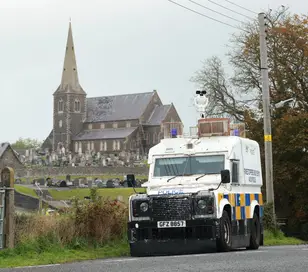
| Drumcree parade banned | 5 | 7 | none found | BBC (online) |
World
| Story | World prominence | Neutrality | Lead at | UK pickup |
|---|---|---|---|---|
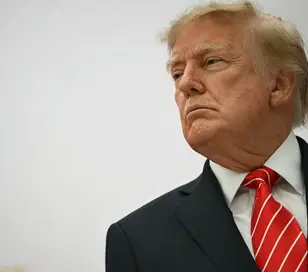
| Trump strikes Russian diesel deal with Putin | 9 | 4 | DW, TASS | BBC (lead), Guardian, Times, Telegraph, Sun, Sky, Mirror, Mail |
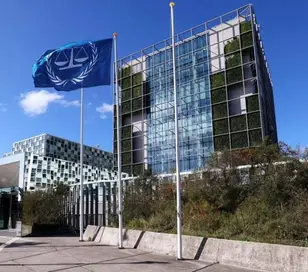
| US sanctions the ICC after Pillay’s Nobel | 8 | 4 | DW, PressTV (top three) | BBC, Guardian, Telegraph, Channel 4, Independent, Mirror, Mail |
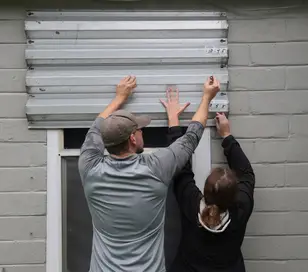
| Hurricane Isaias makes landfall in Florida | 9 | 8 | ABC News, CBS, CNN, Fox, NBC | BBC, Guardian, Sky, Independent, Mirror |
| Flydubai co-pilot planned suicide attack, UAE says | 6 | 6 | DW, ABC Australia (top stories) | BBC, Guardian, Telegraph, Sky, Independent |
| Backlash grows over livestreamed execution | 7 | 4 | CBS (top three) | Guardian, BBC, Telegraph, Sun, Mail, Channel 4, Standard |
What the world is leading with
The five stories leading foreign news today that weren’t already in our UK or World lists, and how much attention UK outlets gave them.
| Story | World prominence | UK attention | Neutrality | Lead story at | UK coverage at |
|---|---|---|---|---|---|
| Tanker attacks mount around Hormuz | 6 | 4 | 3 | PressTV; Fox News (second) | Guardian, BBC (World page), Telegraph |
| Yemen war spreads into Saudi Arabia | 6 | 5 | 5 | Al Jazeera (second); CBS | BBC, Guardian, Sun, Sky, Mirror |
| Katie Zacharia named press secretary | 5 | 6 | 6 | Fox News (third) | BBC, Guardian, Times, Telegraph, Sky, Independent |
| Three guilty of surfer murders in Mexico | 4 | 4 | 9 | ABC Australia (third) | Guardian, Independent, BBC (online) |
| Magnitude 7.7 earthquake hits Panama | 4 | 6 | 9 | none found (widely carried lower down) | BBC, Guardian, Sun, Sky, Mirror, Independent |
1. Polanski vows to stay on as Green leader as pressure mounts after by-election defeat
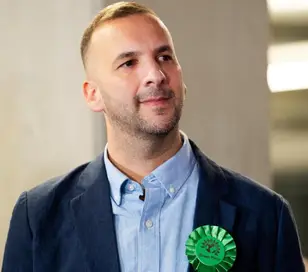
Zack Polanski has said he will stay on as leader of the Green Party of England and Wales after finishing second to Labour in Thursday’s Holborn and St Pancras by-election, where Labour’s Sagal Abdi-Wali won with 12,292 votes to his 8,928. The chair of the Jewish Greens, Vivien Lichtenstein, called on Friday for him to resign, saying it was a “big mistake” for him to have missed the party conference debate on a motion, since passed, that declares Zionism a form of racism and calls for Israel to be replaced by a single Palestinian state. Former leader Caroline Lucas had already criticised him for a lack of leadership over the vote. The Guardian reports that another member of the Jewish Greens said Lichtenstein did not speak for the majority of the group and that a vote of no confidence in her had been tabled.
Polanski was also challenged on Radio 4’s Today programme over whether Israel has a right to exist. Saturday’s iWeekend front page says his leadership is “now in doubt”, while the Times, in a leader, suggests the party’s “flirtation with extremism will inevitably backfire” and the Mail’s Dan Hodges calls the result “the most important rejection of anti-semitism since Cable Street”, according to the BBC’s review of the papers.
How it was framed
- BBC (UK, public-service) · Polanski vows to stay as he faces criticism, with Lichtenstein’s call to resign and two former leaders’ charge that he failed to show leadership. Focus 8: Leads on Polanski’s own decision and sets out the criticism with names and quotes, keeping the Zionism motion as attributed context rather than the paper’s own judgement.
- The Guardian (UK, commercial) · the Jewish Greens chair calls for him to quit “but could face no-confidence motion herself.” Focus 8: Puts the resignation call first but reports the pushback within the Jewish Greens too, so readers see a divided party rather than a single verdict on the leader.
- The Telegraph (UK, commercial) · “Polanski refuses to say Israel should exist as he clings on to leadership” (headline and summary only; page blocked to us). Focus 4: The headline makes his answer on Israel the story and “clings on” casts the leadership question in advance, putting the culture-war angle ahead of the vote count and party process.
- The Sun (UK, tabloid) · Polanski “refuses to quit” despite defeat and a “growing party civil war”; he “botched the chance” to become an MP. Focus 3: Personal judgement (“botched”) and “civil war” framing carry the piece, so the result and the substance of the internal dispute come second to the leader’s humiliation.
- Channel 4 (UK, public-service) · homepage lead: “Should Green Party leader Zack Polanski stand down?”, weighing the by-election and the charge of a failure of leadership over the motion. Focus 6: Frames the day as a question about Polanski’s future, a fair news peg, though the debate format puts personality and leadership ahead of what the party actually voted for.
- Daily Mirror (UK, tabloid) · a reader poll on whether he should resign “after a damaging night for the Greens” as betting odds tumble. Focus 3: A reader poll and betting odds turn the story into a popularity contest, offering readers almost nothing about the policy dispute or the vote itself.
- Evening Standard (UK, commercial) · Polanski “insists he will carry on” after Abdi-Wali retained the seat vacated by Sir Keir Starmer. Focus 8: A straightforward news account built around his statement and the result, with Lucas’s criticism reported as attributed reaction rather than the paper’s own view.
- Washington Post (US, commercial) · AP report: “Green leader under pressure after UK poll defeat clouded by party’s anti-Zionist stance” (headline and summary only). Focus 6: Puts the anti-Zionist motion in the headline as the cloud over the result, which is accurate, but makes Israel the lens for a British by-election and its wider issues.
- Times of Israel (Israel, commercial) · polling-day preview of the “Jewish, anti-Israel Green Party leader” in a week his party declared “Zionism is racism” (headline and summary only). Focus 4: Labels Polanski by religion and stance on Israel in the headline, so his identity and the motion define the story more than the contest he was fighting.
- Ynet (Israel, commercial) · Polanski, “who grew up in a Zionist home,” lost “after anti-Israel vote” defining Zionism as racism. Focus 4: Links the defeat directly to the Zionism vote in the headline, a causal reading UK reports treat as one factor among several, and foregrounds his upbringing.
- Arab News (Saudi, commercial) · Polanski will stay on despite losing “amid Zionism row”; his pro-Palestinian stance “led to tensions with Israel.” Focus 6: Reports his decision and the result plainly but reads the row through his pro-Palestinian position and Israel, a narrower lens than the UK coverage of party leadership.
- Al Jazeera (Qatar, state-funded) · Labour “fends off” the Greens; Abdi-Wali won by about 3,300 votes in the London seat. Focus 8: Sticks to the result, the margins and the significance for Labour, giving the leadership row less space than UK outlets do and taking no side on it.
Neutrality: 5/10. The result and Polanski’s decision to stay are not in dispute. UK coverage divides between his leadership as a fair question (BBC, Guardian, Channel 4) and outright ridicule (Sun, Mirror), while Israeli outlets and the Telegraph make his stance on Israel the core of the story. We found nothing on this from CNN, Fox, CBS, CGTN, RT, DW or the Iranian outlets we checked.
2. King pays Andrew’s £1.5m repair bill for Royal Lodge
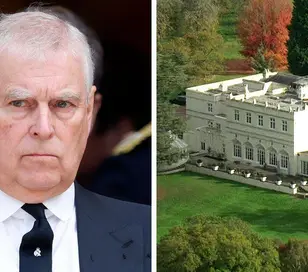
King Charles has paid the £1.5m bill owed by his brother, Andrew Mountbatten-Windsor, for the poor condition of his former home at Royal Lodge in Windsor, the BBC reports. It is understood the money comes from the King’s private income and covers what the former prince owed his former landlords, the Crown Estate, on leaving the 30-room house. The total penalty for “dilapidations” was £1.8m, reduced by the roughly £300,000 he would have received for surrendering his lease early. The Crown Estate says it has given no money to Mountbatten-Windsor at the end of the lease and has now received the net £1.5m it was owed.
Mountbatten-Windsor left Royal Lodge in February amid revelations about his links to Jeffrey Epstein, which he has consistently denied, and the King has since used his own money to pay for his upkeep and accommodation at Sandringham. The story leads Saturday’s Sun (“The king & I.O.U”) and Mirror (“King’s £1.5m bailout for Andrew”), and the Mail runs a separate exclusive on friends urging the former prince to challenge the King.
How it was framed
- BBC (UK, public-service) · the King pays the bill from his private income; the £1.8m penalty minus the £300,000 lease credit, with the Crown Estate’s account. Focus 9: Lays out the figures, the source of the money and the Crown Estate’s position in order, with the Epstein background given as brief, attributed context.
- The Sun (UK, tabloid) · the King “steps in” for his “disgraced brother”, leaving the “ex-duke with zero compensation”; the front page asks how “Andy” will repay it. Focus 4: Repeated “disgraced” labelling and the “I.O.U” joke put mockery of the former prince first, though the core figures are reported.
- The Daily Mirror’s front page, as shown in the BBC’s review of today’s papers (UK, tabloid) · the King was “forced to settle” the bill, with sources saying Royal Lodge was left in an “absolute state.” Focus 5: Leads on anonymous sources describing the state of the house and the King being “forced” to pay, colourful detail that goes beyond the official account of the settlement.
- The Telegraph (UK, commercial) · “King pays £1.5m for Andrew’s Royal Lodge repairs” (headline and summary only; page blocked to us). Focus 7: A factual headline on who paid and how much; the summary we could read also gives the £1.8m gross figure and his eviction, without editorial colour.
- Sky News (UK, commercial) · the King paid the bill; earlier, the Crown Estate said he had been granted £302,000 for surrendering the lease (headline and summary only). Focus 8: Sticks to the official figures from the Crown Estate and the King’s payment, reporting the money trail without adjectives about the former prince.
Neutrality: 6/10. The sums and the source of the payment are reported consistently. The split is tonal: a matter of accounts and leases (BBC, Telegraph, Sky) or a family bailout to be mocked (Sun, Mirror). We found no coverage in the foreign panel.
3. Healey faces pressure from business and his own Cabinet before the Budget
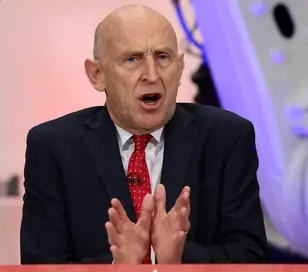
With the first Budget of Andy Burnham’s government approaching, several of Saturday’s papers lead on pressure on Chancellor John Healey. The Times reports that the prime minister and the chancellor rejected a plea from Health Secretary Yvette Cooper for more money to fund an NHS pay deal, writing to her jointly, in what the paper calls a “highly unusual move”, to say any increase must come from the health service’s existing budget. The Telegraph reports that Jason Tarry, chairman of John Lewis and Waitrose, warned that a “tax raid” on large stores would “only harm our high streets”, as Burnham has signalled the government could raise a tax on warehouses to help fund tax cuts for businesses with “social benefit”, like pubs and restaurants.
In the Daily Mail, Marks & Spencer chief executive Stuart Machin urges Healey to “take the handcuffs off business” and reverse “the mistakes of the last two Budgets”, and the Mail also reports a City warning that a bank tax could drive investors away. From the other direction, the Independent reports Labour MPs pressing Healey to bring in a private jet tax on billionaires.
How it was framed
- The Times (UK, commercial) · “Yvette Cooper’s plea for NHS cash rebuffed by Andy Burnham”; pay must come from the existing NHS budget (headline and summary only; page blocked to us). Focus 7: Centres a concrete spending decision and its source, although the “rebuffed” framing and the paper’s emphasis on Cabinet tension lean towards a personality reading.
- The Telegraph’s front page, via the BBC’s papers review (UK, commercial) · John Lewis chairman’s “unusually outspoken attack on the potential Budget” over a warehouse tax. Focus 5: Gives a single business leader’s warning the splash, presenting one side of a tax argument as the story while the government’s case for the change gets a line.
- The Daily Mail’s front page and homepage (UK, commercial) · exclusive: M&S boss “savages Labour’s ‘crushing’ tax policies”, alongside a Mail comment that the “Budget must put UK’s growth first.” Focus 3: A business chief’s op-ed, an exclusive and the paper’s own leader all push the same message, so campaigning for lower taxes replaces any account of the Budget choices.
- The Independent (UK, commercial) · “pressure is mounting” on Healey from Labour MPs to bring in a private jet tax on billionaires (summary only; page gated). Focus 6: Reports a real backbench campaign, though leading on billionaires and jets favours a pressure-group angle over the wider fiscal picture the Chancellor faces.
Neutrality: 5/10. No outlet disputes that Healey faces hard choices. The coverage pulls in opposite directions: business warnings against tax rises (Mail, Telegraph), demands for taxes on the very rich (Independent), and Cabinet spending rows (Times). The Telegraph and Times pages were blocked to us, so their framing rests on headlines, summaries and the BBC papers review. We found no foreign panel coverage.
4. Lib Dem MP quits frontbench in bid to oust Ed Davey
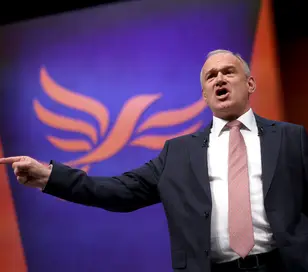
Liberal Democrat MP Charlie Maynard has resigned as the party’s Treasury spokesman and wants Sir Ed Davey replaced as leader, the BBC reports, after the move was first reported by the Financial Times. The Times says he is the second frontbencher to quit this week, after Alison Bennett resigned as care spokesperson, and the Telegraph reports that he has asked colleagues to back a vote of no confidence. Those close to Davey acknowledge a “small group” of unhappy MPs, the BBC says.
Deputy leader Daisy Cooper said “the vast majority of our MPs support Ed, want him to lead the party into the next election, and are furious at this distraction,” and former leader Tim Farron also defended Davey. The Guardian reports the party has slipped in the polls.
How it was framed
- BBC (UK, public-service) · Maynard quits and wants Davey replaced; Daisy Cooper and Tim Farron rally behind the leader. Focus 9: Reports the resignation, its aim and the leadership’s response with attributed quotes from both sides, adding no judgement of its own on Davey’s future.
- The Guardian (UK, commercial) · Davey “faces growing revolt” as the Treasury spokesperson resigns “in attempt to unseat leader as party slips in polls.” Focus 7: Accurately ties the resignation to falling polls, though “growing revolt” signals a bigger rebellion than the one named MP the article confirms.
- The Times (UK, commercial) · “Ed Davey faces revolt against leadership as second Lib Dem quits”, with Bennett’s earlier resignation (headline and summary only). Focus 7: Adds the week’s earlier resignation as useful context, though linking the two departures into a “revolt” is the paper’s interpretation.
- The Telegraph (UK, commercial) · Lib Dem MP quits “in bid to topple Ed Davey” and is said to have sought support for a no-confidence vote (headline and summary only). Focus 7: Reports the resignation and the reported no-confidence push with appropriate attribution (“said to have”), leaning on the plot angle but not overstating it.
- Evening Standard (UK, commercial) · PA report: the party confirmed Maynard had quit, “in what is reported to be an effort to topple” Davey. Focus 8: A wire-style account that separates confirmed facts from reported motives, giving readers a clear line between the two.
- Channel 4 (UK, public-service) · homepage item paired with the Greens: a “bid by some Liberal Democrats to oust leader Ed Davey” and a councillor’s call for a shake-up. Focus 6: Folds the Lib Dem story into a wider theme of opposition leaders under pressure, a reasonable link that gives the specific resignation less space.
Neutrality: 7/10. The facts of the resignation and the leadership’s response are common ground. Outlets differ mainly in how large they judge the rebellion to be (“growing revolt” at the Guardian and Times, a “small group” in the BBC’s sourcing). We found no foreign panel coverage.
5. Northern Ireland Secretary bans the Drumcree parade
Northern Ireland Secretary Sir Chris Bryant has said he will ban the contentious Orange Order parade at Drumcree, after a stand-off of almost two weeks between Orangemen and nationalist residents of the Garvaghy Road in Portadown. He said the chief constable had advised him that “it would not be possible to enable the procession to happen without a major intervention which would carry an unacceptable risk of serious injury, disorder and a wider contagion effect across Northern Ireland.”
The Parades Commission had ruled that the march on Sunday 27 September could go ahead with restrictions, but it did not happen because of a large protest on the Garvaghy Road; the law allows a secretary of state to overturn a commission determination. Sinn Féin and the SDLP welcomed the decision, while DUP leader Gavin Robinson said Bryant now needed to “explain what his government intends to do to restore confidence in the rule of law.” Sky News separately reports that First Minister Michelle O’Neill has been invited for a police interview over the Garvaghy Road protest.
How it was framed
- BBC (UK, public-service) · Bryant to ban the parade on police advice, with reaction from Sinn Féin, the SDLP and the DUP and the legal basis for overruling the Parades Commission. Focus 9: Gives the decision, the police advice in full, the legal mechanism and reaction from both communities, leaving no evident tilt towards either side.
- The Guardian (UK, commercial) · Bryant bans the parade after the prospect of the march “led to a nearly two-week standoff.” Focus 8: A straight account of the ban and the stand-off behind it, keeping to the decision and its reasons rather than the politics around it.
- The Times (UK, commercial) · police advised the march carries “too great a risk of disorder and wider contagion” (headline and summary only). Focus 8: Leads on the security reasoning behind the ban, giving readers the official rationale first and without loaded language.
- The Telegraph (UK, commercial) · “Labour to ban Orange Order from marching down Garvaghy Road” (headline and summary only). Focus 6: Making “Labour” the subject casts a security decision by the Northern Ireland Secretary as a party move, though the summary quotes his safety reasoning.
- Sky News (UK, commercial) · the Secretary of State says he will ban the parade; a separate report on Michelle O’Neill’s police invitation (headline and summary only). Focus 8: Reports the ban and the stand-off plainly, with the O’Neill angle kept as a separate story rather than mixed into the decision.
Neutrality: 7/10. Every outlet reports the ban and the police advice in similar terms. The main difference is the Telegraph’s framing of it as a Labour decision, against the BBC and Guardian’s procedural accounts. We found no foreign panel coverage.
6. Trump strikes a Russian diesel deal with Putin as Zelensky calls it a gift to Moscow
President Donald Trump has announced a deal with Vladimir Putin under which Russia will release 300,000 tonnes of diesel immediately “to the American and global marketplace”, followed by 500,000 tonnes in November and another million after that, with a further three million tonnes “within a short period” depending on the state of Russian refineries that Ukraine has attacked. The BBC reports the US Treasury is suspending sanctions on Russian diesel exports until 7 April as part of the deal, while other Russian assets in American banks stay frozen. Diesel prices in the US have doubled since the war with Iran began in February, putting pressure on Republicans before the midterms. Putin said Russia, which banned diesel exports earlier this year, was willing to supply the US and global markets, without giving amounts.
Ukraine’s President Volodymyr Zelensky called the deal a gift to Putin and “an investment in a war that must be ended, not prolonged,” saying Russia would repay it with “further terror”. The UK said it would “maintain pressure on Russia” through its sanctions regime, and Australia’s energy minister Chris Bowen rejected the plan, ABC Australia reports. Hours after the announcement, Ukraine struck a Russian fuel site, according to Al Jazeera.
How it was framed
- BBC (UK, public-service) · homepage lead: the deal’s tonnages, the Treasury sanctions pause to 7 April, Putin’s vaguer statement, and Zelensky’s “gift to Putin” response. Focus 9: Sets out the terms, the sanctions mechanism and both leaders’ statements before reaction, keeping the midterm politics to a sentence of context.
- The Guardian (UK, commercial) · “Zelenskyy furious”; the deal is “set to create fresh crisis with Ukraine and Nato allies.” Focus 6: Headlines Ukraine’s anger and a predicted crisis with allies ahead of the deal’s terms, so the diplomatic fallout frames what is first an energy announcement.
- The Telegraph (UK, commercial) · news report on the 300,000-ton release; a separate comment says Trump “backstabs Zelensky for five minutes of midterm relief” (headlines and summaries only). Focus 6: The news report is factual, but the paper pairs it with a sharp comment on betrayal, and the two together tilt its coverage towards condemnation.
- The Sun (UK, tabloid) · a “huge diesel deal” after fuel prices spiked with the Iran war, as Zelensky “blasts” the “gift” and is left “fuming” (headline and summary only; page body empty to us). Focus 6: Explains the Iran-war price spike behind the deal, then makes Zelensky’s anger the hook, so the personal clash leads over the terms of the agreement.
- Evening Standard (UK, commercial) · the UK pledges to “maintain pressure on Russia” with “the toughest sanctions regime” it has imposed. Focus 8: Leads on the British government’s response, a useful UK angle reported in the government’s own words without commentary.
- CBS News (US, commercial) · homepage second story: Russia “will release millions of tons of diesel to help with skyrocketing costs.” Focus 7: Leads on the administration’s stated aim of easing prices, which is the news, but adopts Trump’s framing of the deal as help before Ukraine’s objections.
- CNN (US, commercial) · the deal “sparks anger in Ukraine, doubts among analysts.” Focus 7: Balances the announcement with Ukrainian anger and expert scepticism about whether the volumes matter, keeping the focus on consequences rather than personalities.
- Fox News (US, commercial) · video: UN ambassador Michael Waltz on the “massive Russian diesel deal to lower fuel prices.” Focus 4: Gives the administration’s envoy the platform to explain the deal, with no Ukrainian or critical voice in what we could see.
- New York Times (US, commercial) · Trump says Russia will ship millions of tons, “but Russia has an ongoing ban on exporting diesel” (headline and summary only). Focus 8: Tests the claim against a hard fact in its first lines, keeping the coverage on whether the deal can deliver rather than on the politics.
- Washington Post (US, commercial) · “the amount is small compared with U.S. demand, but the deal aligns the U.S. with Russia and against Ukraine’s efforts” (summary only). Focus 7: Puts scale and strategic consequence side by side, a factual framing that nonetheless ends on a pointed reading of whose side Washington is on.
- DW (Germany, public) · homepage lead: the deal “reverses years of pressure on the Russian economy” since the invasion of Ukraine. Focus 8: Leads with what was agreed and why it marks a reversal, giving the European policy context without editorial language.
- Al Jazeera (Qatar, state-funded) · video: hours after the deal, Ukraine bombed a Russian fuel site. Focus 7: Picks the military response as the angle, a real development that shifts attention from the deal’s terms to the war it touches.
- TASS (Russia, state news agency) · homepage lead: a Russian presidential aide calls the Putin-Trump conversation “substantive, friendly.” Focus 4: Leads on the warmth of the call as described by the Kremlin, leaving out Ukraine’s objections and the sanctions pause entirely in what we could see.
- Times of Israel (Israel, commercial) · Putin agrees to release diesel “to help soaring costs amid Iran war”; a second item on Zelensky’s response (headlines only). Focus 7: Frames the deal through the Iran war that drove prices up, a relevant regional lens, and carries Ukraine’s reaction separately.
- Ynet (Israel, commercial) · Trump turns to Putin “despite sanctions” to ease prices before the midterms; Zelensky’s “investment in a war” quote. Focus 8: Covers the terms, the Treasury move, the midterm motive and Ukraine’s reaction together, a balanced account with little colour.
- Arab News (Saudi, commercial) · Democrats accuse Trump of “betraying Ukraine, European allies and US national security.” Focus 5: Leads on partisan US criticism rather than the deal itself, so the terms and the energy rationale come second and the story becomes a Washington row.
- Al Arabiya (Saudi, commercial) · a “stunning reversal of years of US pressure on Moscow” to ease prices (headline and summary only). Focus 8: A wire-based account that puts the deal and its significance for sanctions policy first, without editorial colour, though Ukraine’s reaction is not in the summary we read.
- ABC Australia (Australia, public) · audio: Energy minister Chris Bowen rejects the Trump-Putin diesel supply plan. Focus 7: Localises the story through the Australian government’s response, a fair national angle that sets the global terms aside.
Neutrality: 4/10. The terms of the deal are reported consistently. Framing splits sharply: a price-relief measure (CBS, Fox, TASS’s “friendly” call), a betrayal of Ukraine (Guardian, Telegraph comment, Arab News), or a test of whether the volumes are real (NYT, Washington Post, CNN). We found no coverage on the RT, CGTN or Iranian homepages we checked.
7. US sanctions the International Criminal Court hours after Navi Pillay’s Nobel Prize
The Trump administration has imposed sanctions on the International Criminal Court itself, hours after former ICC judge Navi Pillay was awarded the 2026 Nobel Peace Prize. Secretary of State Marco Rubio said the measures, which include a ban on US entities making transactions with the court, were meant to “defend US sovereignty”, and accused the court of seeking to prosecute Americans. The US had already sanctioned 17 of the court’s judges and officials; this move targets the institution and is intended to collapse its ability to operate financially, the BBC reports, though a six-month grace period before some measures take effect lets member states keep paying for its operations.
The ICC called the measures an assault on the rule of law and said it would not be “deterred”, and UN Secretary General Antonio Guterres called the decision “a serious blow”. The UK, Canada, France, Germany, Italy and Japan, with Denmark and the Netherlands, said they “regret and strongly disagree with” the sanctions. Israeli Prime Minister Benjamin Netanyahu praised the move, the Times of Israel reports; Washington has denounced the court over arrest warrants for Israeli officials including Netanyahu. Trump, passed over for the prize, criticised Norway, calling the decision a “stain” on the country.
How it was framed
- BBC (UK, public-service) · sanctions the court condemns as an “assault on rule of law”; Rubio’s case, the 17 earlier sanctions, the six-month grace period and Guterres’s reaction. Focus 9: Explains what the sanctions do, the US justification and the reaction in order, giving the Nobel timing as context rather than as an implied motive.
- The Guardian (UK, commercial) · live page: US sanctions on the ICC “hours after former judge Pillay wins Nobel peace prize”; its homepage adds “Trump fumes over Nobel peace prize snub.” Focus 6: Ties the sanctions closely to the Nobel and Trump’s reaction, an accurate sequence that nonetheless invites readers to see wounded pride as the driver.
- The Telegraph (UK, commercial) · “Trump sanctions ICC after one of its judges wins Nobel Peace Prize”; the prize went to the judge “who led the UN panel that accused Israel of genocide” (headline and summary only). Focus 6: Links the sanctions and the prize in one headline and introduces Pillay through the Gaza genocide finding, so Israel becomes the frame for both.
- Channel 4 (UK, public-service) · “the long running feud” between the administration and the court “reached a new peak today.” Focus 7: Places the sanctions in the history of the dispute, a helpful frame, with the Nobel timing given as a coincidence rather than a cause.
- Daily Mirror (UK, tabloid) · “UK and allies stand up to Donald Trump” over the sanctions, quoting the G7 statement. Focus 6: Reports the allies’ statement accurately, though “stand up to” gives a confrontational, national-team framing to a diplomatic statement.
- Fox News (US, commercial) · Rubio announces the administration will “freeze ICC assets and bar all U.S. transactions” with the court. Focus 6: Leads on the measures in the administration’s own terms, clear on what they do but with the court’s and allies’ objections pushed down.
- Washington Post (US, commercial) · the sanctions aim at “cutting the ICC off from the global financial system”, with threats to countries that do business with it (summary only). Focus 8: Focuses on the mechanics and reach of the sanctions, the most useful facts for readers, without adopting either side’s language.
- DW (Germany, public) · homepage second story: the latest step as the administration “seeks to ‘dismantle’” the court. Focus 7: Uses the administration’s own word “dismantle” in quotes as the frame, accurate but setting the story as an attack on the court from the start.
- Ynet (Israel, commercial) · Trump sanctions the “entire ICC over Netanyahu warrant”; Rubio vows to “cripple” the court. Focus 7: Gives Israeli readers the most direct link, the Netanyahu warrant, and reports Rubio’s language plainly alongside the Nobel award.
- Times of Israel (Israel, commercial) · new measures could punish companies serving the court; Rubio’s “rogue court” line; “Netanyahu lauds action” (headline and summary only). Focus 7: A wire-led account that adds the Israeli government’s welcome, a relevant reaction that gives the story a national angle.
- PressTV (Iran, state-run) · homepage: “ICC rejects US sanctions as world condemns Washington’s assault on international justice” and “US sanctions ICC hours after anti-genocide judge wins Nobel Peace Prize.” Focus 3: “Assault on international justice” and “anti-genocide judge” turn the story into a moral verdict on Washington and Israel, with no space for the US case in what we could see.
- Tehran Times (Iran, government-linked) · “Trump loses Nobel again as jurist behind Gaza genocide findings takes prize”, citing his “desperation to obtain” it. Focus 2: Built around mocking Trump’s personal disappointment and the Gaza finding, with the award’s citation and the sanctions themselves secondary.
- Al Arabiya (Saudi, commercial) · sweeping sanctions “as part of its campaign to dismantle the tribunal” (headline and summary only). Focus 8: A neutral wire account that leads on the measures and their stated purpose, leaving out the Nobel and Trump framing that dominates much of the other coverage.
- Arab News (Saudi, commercial) · sanctions hours after the Nobel; Israel says the prize “perpetuates anti-Israel hatred.” Focus 6: Mixes the sanctions with Israel’s criticism of the award in its summary, so two separate stories run together.
- ABC Australia (Australia, public) · sanctions on the “rogue” ICC hours after a former judge wins the prize “which Donald Trump covets.” Focus 5: The summary’s “which Donald Trump covets” points readers to a personal motive the administration has not stated, putting Trump’s ego ahead of policy.
Neutrality: 4/10. The measures and their timing are reported consistently. Framing ranges from the mechanics of financial isolation (Washington Post, BBC, Al Arabiya), through a Netanyahu-and-Israel lens (Ynet, Times of Israel, Telegraph), to a story about Trump’s wounded pride (Tehran Times, ABC Australia) and a moral verdict on Washington (PressTV). We found no coverage on the RT or CGTN pages we checked.
8. Hurricane Isaias makes landfall on the Florida Panhandle
Hurricane Isaias made landfall near Destin on the Florida Panhandle on Friday evening, local time, as a Category 2 storm with winds of about 105 to 110mph, according to NBC News and the BBC, after briefly reaching Category 3 strength. NBC and Reuters later reported it had weakened to Category 1. Florida, Alabama and Georgia declared states of emergency as forecasters warned of life-threatening storm surge of up to 9ft (2.7m) in places, and the Washington Post says about 28 million people across the South were under weather alerts on Friday. Isaias is the first hurricane of the Atlantic season in what the Guardian calls “a very late season”, and Ynet says it is the first hurricane to hit the US in two years.
Florida’s Lieutenant Governor Jay Collins told Fox News that early signs from the landfall were not dire and urged residents to stay inside. The BBC notes Isaias is one of three storm systems affecting North America this weekend, with two others hitting Mexico and southern California.
How it was framed
- BBC (UK, public-service) · “life-threatening” Isaias makes landfall; states of emergency, surge warnings and two other storm systems in the Pacific. Focus 9: Leads on the landfall, the storm’s strength and official warnings, then adds wider weather context, with no drama, blame or political angle drawn in.
- The Guardian (UK, commercial) · explainer: key things to know as millions face evacuation orders, the first Atlantic hurricane of a very late season. Focus 9: A practical explainer that puts the forecast path and preparations first and keeps strictly to what forecasters were saying, with nothing extraneous added.
- Sky News (UK, commercial) · “‘The storm is here - buckle down’”: winds above 100mph and risk of floods, surges and tornadoes (headline and summary only). Focus 8: Uses an official’s warning as the headline, vivid but on topic, and the summary keeps to the hazards.
- Daily Mirror (UK, tabloid) · three states “on red alert” as residents are “prepared for the worst.” Focus 7: Stays on the storm and its threat, with some alarm in the language but no departure from the facts.
- NBC News (US, commercial) · homepage lead with rolling coverage: landfall near Destin at about 8:30pm as a Category 2 with 105mph winds, later weakening to Category 1. Focus 9: Saturates its homepage with forecast, evacuation and residents’ stories, all firmly on the event and its impact, with politics and blame left out entirely.
- CBS News (US, commercial) · homepage lead: landfall on the Gulf Coast as a Category 2 storm, the first of the 2026 Atlantic season. Focus 9: A straight account that leads on the storm’s strength, timing and reach, without political or human-interest detours, which keeps it tightly on the event.
- CNN (US, commercial) · homepage lead: Isaias “makes landfall on US Gulf Coast with destructive winds.” Focus 9: Leads its homepage on the landfall and its destructive winds, keeping coverage on the storm itself rather than on politics or the wider season.
- Fox News (US, commercial) · homepage lead; Lt Gov Jay Collins says early signs “aren’t dire” and urges caution. Focus 8: Leads on the landfall and gives a state official’s early, reassuring assessment, on topic though somewhat more upbeat than other accounts.
- Washington Post (US, commercial) · landfall in Florida; about 28 million people covered by weather alerts (summary only). Focus 9: Focuses on who is exposed and where the worst impacts will be, the most useful frame for readers in the path.
- Al Jazeera (Qatar, state-funded) · earlier report: Isaias strengthens into a Category 3 storm “with US in its sights.” Focus 9: A factual forecast-based account drawing on the National Hurricane Center, putting strength and track first and adding no wider political or climate framing.
- DW (Germany, public) · warnings of “life-threatening” surges, extreme winds, rising water and possible tornadoes. Focus 9: Keeps to the official warnings and the specific hazards they describe, surge, wind and tornadoes, with no wider framing or commentary added.
- Ynet (Israel, commercial) · “first hurricane to hit US in two years”: evacuations and thousands of National Guard troops deployed. Focus 9: A concise account that puts strength, landfall and the emergency response first, with evacuations and National Guard deployments reported without added framing.
- Arab News (Saudi, commercial) · Isaias “on collision course” with the Gulf Coast as a Category 2 storm (earlier report). Focus 9: A forecast-led wire account from before landfall that sticks to category, track and expected impacts, with no political or human-interest framing added.
Neutrality: 8/10. Coverage is close to uniform around the official forecasts and warnings. The differences are of tone (Fox’s reassuring official, the Mirror’s “prepared for the worst”) and of timing, since several foreign reports we found predate landfall. We found no coverage from RT, CGTN or the Iranian outlets we checked.
9. Flydubai co-pilot planned a suicide attack on Israel’s main airport, UAE says
The Omani co-pilot accused of trying to hijack a Flydubai flight from Dubai to Tel Aviv on 30 September planned to crash it into Israel’s Ben Gurion airport in a “suicide attack”, the UAE’s attorney general Hamad Saif al-Shamsi said on Friday. The 29-year-old, widely named as Hamam al-Hammami, wounded the captain in the cockpit with the emergency crash axe before passengers overpowered him and another crew member landed the aircraft in Saudi Arabia, the BBC reports. According to Shamsi, the pilot said he had been inspired by the 11 September 2001 attacks, and “signs of his drift towards extremism and terrorism first emerged in 2017, while he was studying in Australia.” Melbourne university RMIT has confirmed he studied there but left before completing his engineering qualification.
Al Jazeera reports the attorney general said the suspect admitted acting alone after preparing “psychologically and physically”, and the Telegraph reports he took private boxing lessons. Ynet says he made two scouting flights. The Jerusalem Post, citing the Wall Street Journal, says he told investigators he wanted to hit an Israeli target because of the situation in Gaza, and CBS reports a year of misogynistic “manosphere” posts on X.
How it was framed
- BBC (UK, public-service) · the “drift towards extremism” began in Australia, UAE says; the cockpit attack, the landing in Saudi Arabia and RMIT’s confirmation. Focus 9: Reports the attorney general’s findings with clear attribution and adds verified detail, keeping to the investigation rather than speculation.
- The Guardian (UK, commercial) · his “shift towards extremism began while he was a student in Melbourne,” according to the Emirati attorney general. Focus 8: Picks the Australian radicalisation angle as its lead, a genuine finding, while attributing every claim to prosecutors and leaving the Gaza motive aside.
- The Telegraph (UK, commercial) · the co-pilot “took boxing lessons and watched terror videos before hijack” (headline and summary only). Focus 7: Leads on the preparation details, vivid and attributed, though it selects the most dramatic elements of the prosecutor’s account.
- Sky News (UK, commercial) · the alleged hijacker planned a “9/11-inspired attack” on Ben Gurion, UAE says (headline and summary only). Focus 8: States the core finding, a 9/11-inspired plan, and its source in the headline, without adding interpretation of motive beyond what the UAE said.
- CNN (US, commercial) · the alleged hijacker “said 9/11 attacks spurred him to become a pilot,” planning to kill “as many people as possible.” Focus 8: Leads on his stated motive and intent from the preliminary investigation, carefully attributed to officials, with the Australian and Gaza strands kept secondary.
- CBS News (US, commercial) · he “spent a year bashing women with ‘manosphere’ rhetoric” on X, posts show. Focus 6: Its own social media research adds a new strand, but leading on misogyny shifts attention from the plot and the official findings.
- Al Jazeera (Qatar, state-funded) · co-pilot plotted “suicide” attack on Israel; he admitted acting alone after preparing. Focus 8: Reports the attorney general’s findings, including the lone-actor claim, plainly and with attribution, without choosing a single motive as the headline.
- DW (Germany, public) · homepage top story: the Omani co-pilot planned to crash the plane into the Ben Gurion terminal. Focus 9: A brief, fully attributed account that puts the UAE’s findings first and adds no speculation about motive, networks or wider security implications.
- Ynet (Israel, commercial) · planned suicide attack “after two scouting flights”; radicalisation from 2017; investigators probe possible further links. Focus 8: Adds detail relevant to Israeli readers, including the scouting flights and open questions, while staying on the investigation.
- Times of Israel (Israel, commercial) · “UAE confirms flydubai copilot was planning 9/11-style ‘suicide attack’”; a passenger who helped subdue him says he warned investigators about crew (headlines only). Focus 7: Accurate on the findings, with a follow-up hero account that adds a human angle and an unverified claim about crew.
- Jerusalem Post (Israel, commercial) · citing the WSJ: he first planned the hijacking in summer and targeted Israel “due to the situation in Gaza.” Focus 7: Brings out his stated political motive from a secondary source, relevant but leaning on reporting we could not check independently.
- ABC Australia (Australia, public) · homepage: investigators say his drift towards terrorism “started in Australia” while he studied in Melbourne. Focus 8: Takes the Australian connection as its lead, a natural national angle, with the findings attributed to UAE officials.
- Al Arabiya (Saudi, commercial) · the UAE says the Omani co-pilot planned to seize the flight and crash it into a terminal (headline and summary only). Focus 9: A plain account that leads on the prosecutor’s findings, the target and the plan, with no added interpretation of motive or political context.
- Arab News (Saudi, commercial) · the attorney general confirms the co-pilot was Omani, citing the UAE state news agency (headline and summary only). Focus 8: Sticks to the official statement and his nationality as relayed by UAE state media, adding nothing beyond what the authorities had confirmed.
Neutrality: 6/10. The UAE prosecutor’s findings are reported consistently. Outlets then choose different threads: radicalisation in Australia (BBC, Guardian, ABC Australia), 9/11 inspiration (CNN, Sky), misogyny online (CBS) and a Gaza motive (Jerusalem Post). We found no coverage from RT, CGTN or the Iranian outlets we checked.
10. Backlash grows over plan to livestream the Fort Hood gunman’s execution
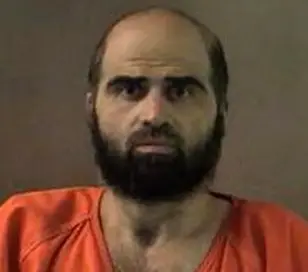
The Pentagon’s plan to livestream the firing squad execution of Nidal Hasan, the former Army psychiatrist who killed 13 people at Fort Hood in 2009, has drawn criticism from across the US political spectrum and abroad. Hasan is due to be executed on 3 December, and Defence Secretary Pete Hegseth has said showing it online would deter future attacks. President Donald Trump said on Friday that he approved of the plan but that a determination still had to be made, the BBC reports; if it goes ahead it would be the first broadcast of a US execution. Vice President JD Vance said he would not watch it and cast doubt on whether the stream would go ahead.
The UN has said the execution would “amount to torture”, according to the Guardian, and the Times of Israel reports that Catholic leaders and US lawmakers of both parties condemned the plan, while most tech companies have not commented. In the UK, Bridget Phillipson called it “disturbing”, the Evening Standard reports. Legal experts told AP and the Washington Post that the route to challenge the livestream in court appears narrow.
How it was framed
- BBC (UK, public-service) · explainer: who Nidal Hasan is and what to know about the livestream, with Trump’s “determination” comment and the questions about legality. Focus 9: Sets out the case, the plan and the criticism methodically, with Trump’s and Hegseth’s own positions given in their words.
- The Guardian (UK, commercial) · video: “‘Barbaric’ firing squad livestream ordered by Pete Hegseth”, with the UN saying it would “amount to torture”; its homepage leads with “‘Medieval’” global condemnation. Focus 4: Leads with condemnatory quotes in its headlines, so readers meet the verdict on the plan before the plan itself.
- The Telegraph (UK, commercial) · Trump says he “personally approved” the livestream amid “a growing Republican backlash”; Vance will not watch (headline and summary only). Focus 7: Keeps the story on the key decision-makers and the split inside the president’s party, factual though centred on personalities.
- The Sun (UK, tabloid) · Vance “won’t be watching” as Trump backs killing the “maniac” by firing squad. Focus 5: Leads on Vance’s personal choice and Trump’s colourful language, so the legal and moral questions drop back and the story becomes a White House drama.
- Daily Mail homepage (UK, commercial) · Guy Adams column: is the plan “a shameless bid to shore up his support ahead of vital elections?” Focus 3: An opinion piece that reads the plan purely as an election ploy, with motive speculation in place of the facts of the case.
- Evening Standard (UK, commercial) · Phillipson calls the public execution “disturbing.” Focus 7: A UK political reaction reported straight, though it moves the story to Westminster with little on the plan’s status.
- CNN (US, commercial) · Hegseth wants America to watch; it was “swiftly met with bipartisan criticism and questions” over how it would work. Focus 8: Gives the plan, the criticism from both parties and the open practical questions about how a stream would work, without adopting either side’s language.
- CBS News (US, commercial) · homepage third story: the plan “sparks intense backlash”; separate items note only two other countries hold public executions. Focus 7: Strong on context about the practice worldwide, while “intense backlash” puts the reaction ahead of the decision’s status.
- Fox News (US, commercial) · video: Vance casts doubt on the livestream; Jennifer Griffin on the history of the firing squad. Focus 8: Leads on the vice president’s doubts and the history of firing squads, factual and without the condemnatory language used elsewhere, though critics get little space.
- New York Times (US, commercial) · analysis: “For Trump, a firing squad on livestream becomes the latest spectacle” (headline and summary only). Focus 4: Reads the plan as part of Trump’s taste for spectacle, an interpretive frame that puts his persona ahead of the legal and moral questions.
- Washington Post (US, commercial) · AP: the legal path to challenge the livestream “seems narrow”, experts say (summary only). Focus 9: Focuses on a concrete legal question, what could stop the stream, and answers it with expert sourcing rather than reaction or commentary.
- Al Jazeera (Qatar, state-funded) · “‘Barbaric’: US lawmakers condemn plan”, from both parties. Focus 6: Headlines condemnation, but sources it to lawmakers of both parties rather than adopting it, keeping the piece on reaction.
- DW (Germany, public) · Trump “hasn’t decided” whether the execution will be livestreamed, after the Pentagon announced it would. Focus 9: Leads on the most current fact, that the decision is not final, and reports the criticism from both parties.
- Times of Israel (Israel, commercial) · outrage from a UN rights official, Catholic leaders and lawmakers; Trump says no decision; “no comment from most tech giants” (headline and summary only). Focus 8: Gathers the range of reaction and the practical question of platforms, with the status of the decision made clear.
- ABC Australia (Australia, public) · the first US execution by military firing squad since the Second World War “will be livestreamed”, the Pentagon says. Focus 8: A factual account of Thursday’s announcement and its historical first, written before the latest doubts from Trump and Vance, with no added judgement.
Neutrality: 4/10. The plan and its timetable are not in dispute. Coverage divides between condemnation as the lead (Guardian, Al Jazeera’s headline, Mail comment), Trump-centred readings of spectacle or electioneering (NYT, Mail), and procedural accounts of an undecided plan (DW, BBC, Washington Post). We found no coverage on the RT, CGTN or Iranian homepages we checked.
11. Tanker attacks mount around Hormuz as Iran vows to block more routes
Attacks on merchant shipping in and around the Strait of Hormuz have reached their highest level of the seven-month US-Iran war, with Iran warning it will block more routes through the strait. On Friday a vessel was struck by an unknown projectile 13 nautical miles west of the United Arab Emirates, starting a fire that was put out, according to the UK Maritime Trade Operations agency (UKMTO), as reported by Al Arabiya and Arab News. Earlier in the week a tanker was hit by multiple projectiles off Qatar, the BBC reported, and oil rose above $100 a barrel as attacks on ships hit a new high, according to the Guardian. Iran’s Revolutionary Guards said they had struck a tanker using an “illegal route” through the strait, the Times of Israel reports, and Reuters says tankers face rising risk as Iran vows to block routes it has not approved.
The attacks are leading Iran’s state broadcaster PressTV, which headlines an IRGC strike on a liquefied petroleum gas (LPG) carrier with the warning that action is “not limited to Hormuz”, and are second on the Fox News homepage, which says nearly a dozen crude tankers have been hit “as US, Iran trade sinking ships”. In the UK the story has mostly sat on world pages and in coverage of possible new US strikes on Iran.
How it was framed
- PressTV (Iran, state-run) · homepage lead: “‘Not limited to Hormuz’: IRGC strikes LPG carrier, warns of wider action against violators”, alongside an adviser saying the strait “remains ‘closed’.” Focus 3: Presents the attacks entirely in the Revolutionary Guards’ terms, with ships cast as “violators” and no account of crews, owners or the wider effects.
- Fox News (US, commercial) · homepage second story: “Nearly a dozen crude oil tankers hit with strikes along key shipping route as US, Iran trade sinking ships” (homepage headline only; article link not readable to us). Focus 6: Puts the scale of the attacks first, which is the news, though “trade sinking ships” frames it as a tit-for-tat duel.
- CNN (US, commercial) · “Oil prices jump amid record tanker attacks in Hormuz” (8 Oct). Focus 8: Ties the record attacks to their most direct economic effect, a factual framing without adopting either side’s language.
- Washington Post (US, commercial) · “Iran scales up Hormuz attacks, raising pressure on Trump as midterms near” (headline only, 8 Oct). Focus 6: Reads the attacks through US election politics, a relevant angle that moves attention from the shipping itself to the White House.
- Al Arabiya (Saudi, commercial) · a vessel struck by an unknown projectile off the UAE coast, causing a fire since extinguished, UKMTO says (headline and summary only). Focus 9: A precise incident report sourced to the maritime agency, with location and outcome and no attribution of blame beyond what is known.
- Arab News (Saudi, commercial) · an oil tanker struck off the UAE coast “amid surge in attacks.” Focus 8: Reports the incident and places it in the wider pattern of attacks, factual and closely sourced, without assigning blame beyond what was known.
- Times of Israel (Israel, commercial) · Iran’s Guards say they struck a tanker transiting Hormuz via an “illegal route” (liveblog headline). Focus 8: Reports Iran’s own claim with “illegal route” in quotation marks, letting readers see the IRGC’s framing without endorsing it, though context is brief.
- Al Jazeera (Qatar, state-funded) · “The Hormuz bonus”: sailor salaries soar for transits amid the war. Focus 7: A human and economic angle on the crews who carry the risk, on topic though it steps back from the latest attacks.
- The Guardian (UK, commercial) · tanker attacked off Qatar as Iran says a route through Hormuz will be “closed”; oil above $100 as attacks hit a new high. Focus 8: Combines the incident, Iran’s threat and the oil price, with reports of possible US strikes kept as context.
- The Telegraph (UK, commercial) · “Trump readies new Iran strikes as Strait of Hormuz attacks ramp up” (headline and summary only, 8 Oct). Focus 5: Uses the attacks as the backdrop for a report on possible US strikes, so the shipping war becomes a prelude to escalation.
Neutrality: 3/10. That ships are being hit in record numbers is agreed. Framing clashes sharply: enforcement against “violators” (PressTV), a US-Iran duel or a midterm problem for Trump (Fox, Washington Post, Telegraph), and sober incident and market reporting (Al Arabiya, CNN, Guardian). Much of the UK and some foreign coverage we found dates from 8 October. UK attention: 4/10, mainly world pages at the BBC and Guardian.
12. Yemen’s war spills into Saudi Arabia as UN envoy warns of “full-scale war”
The UN envoy for Yemen warned on Friday that the country had returned to “full-scale war”, Al Jazeera and CGTN report, as fighting between the Iran-backed Houthis and Saudi Arabia and its allies spread. Saudi authorities said three Saudi nationals, including a pilot for the state airline Saudia, were killed in Thursday’s Houthi attacks on Riyadh’s airport, one of which struck a Saudia aircraft, after three earlier deaths in attacks on airports in Abha and Riyadh on 6 and 7 October, the BBC reports. Saudi-backed forces vowed a “firm” response, DW says, and the Times of Israel reports the Saudi-led coalition has announced wide-ranging strikes on the Houthis, who in turn reported two people killed in Saudi strikes on Sanaa airport.
Egypt condemned the Riyadh attack as a “flagrant violation of international law”, according to Al Jazeera, and Saudi Arabia’s UN ambassador said the kingdom would not allow Yemen to become a launchpad for attacks, Arab News reports. Houthi and Iranian outlets frame the fighting as Saudi aggression. The UK Foreign Office now advises against travel to Riyadh, the Times reports.
How it was framed
- Al Jazeera (Qatar, state-funded) · homepage second story: Egypt condemns the Riyadh airport attack; separate reports on the three killed and the UN envoy’s “full-scale war” warning. Focus 8: Covers casualties, regional reaction and the UN warning across several pieces, keeping attribution clear and avoiding loaded labels.
- CBS News (US, commercial) · homepage: “Iran’s Houthi allies step up deadly attacks on Saudi Arabia”; live updates on the Riyadh deaths. Focus 6: Accurate on the toll, but “Iran’s Houthi allies” makes the story a front in the Iran war first and a Yemeni conflict second.
- New York Times (US, commercial) · analysis: days of deadly attacks “show Saudi Arabia’s vulnerabilities”; the kingdom has “no easy options” (headline and summary only). Focus 7: An analytical frame on Saudi weakness, well grounded in the attacks but focused on strategy more than the casualties.
- CGTN (China, state-owned) · “Yemen conflict escalates as Saudi Arabia faces security dilemma”; more deaths in both countries and the UN envoy’s warning. Focus 8: A measured account that puts escalation on both sides and the UN warning first, avoiding blame for either party, though Saudi casualties get less detail.
- DW (Germany, public) · Saudi-backed forces vow a “firm” response to attacks “that target civilians.” Focus 7: Leads on the coalition’s response and its description of the attacks, factual though it relies on one side’s framing.
- Arab News (Saudi, commercial) · the kingdom “will not allow Yemen to become a launchpad”; separately, tributes to Capt. Hamoud bin Ali Alkalthami, the pilot killed. Focus 6: Gives the Saudi government’s position and a national mourning angle, understandable at home but with little on the other side of the conflict.
- Times of Israel (Israel, commercial) · three killed; the Houthis repeat their threat to aircraft and report deaths in Saudi strikes on Sanaa airport; flights scrapped before an oil expo (headline and summary only). Focus 8: Reports claims and counter-claims from both sides with clear attribution, plus the commercial disruption to flights, without adopting either side’s language.
- Jerusalem Post (Israel, commercial) · Houthis ramp up attacks on Riyadh as the war, “now an overspill of the US-Iran war”, widens. Focus 6: Places the fighting firmly inside the Iran war, a defensible reading that pushes Yemen’s own conflict into the background.
- PressTV (Iran, state-run) · homepage: “Yemen condemns Saudi aggression, says Riyadh understands only language of force.” Focus 2: Relays the Houthi authorities’ framing as “Yemen” and calls Saudi action “aggression”, with no mention of the deaths in Riyadh in what we could see.
- Tehran Times (Iran, government-linked) · “Saudi Arabia will never break Yemen’s resistance: Ansarallah leader.” Focus 2: Gives the Houthi leader’s defiance the headline as “Yemen’s resistance”, a one-sided frame that omits the civilian deaths on the Saudi side.
- BBC (UK, public-service) · three Saudi nationals killed, including a Saudia pilot, with the Houthis’ claim and the earlier attacks on Abha. Focus 9: Sets out the official toll, the claims each side has and has not confirmed, and the sequence of attacks.
- The Sun (UK, tabloid) · “Iran’s Houthi rebels blitz plane at major airport in missile barrage”; the group “wiped out a passenger plane.” Focus 4: Dramatic verbs and “wiped out a passenger plane” go beyond the official account of an aircraft struck, putting spectacle ahead of the facts.
Neutrality: 5/10. The deaths in Riyadh are reported consistently outside the Iranian outlets. Framing splits between an Iran-war front (CBS, Jerusalem Post), Saudi national loss and resolve (Arab News, DW), and the Houthi and Iranian picture of resistance to Saudi aggression (PressTV, Tehran Times). UK attention: 5/10, with BBC, Guardian, Sky, Sun and Mirror reports but no front pages we found.
13. Trump names Katie Zacharia as White House press secretary
President Donald Trump has chosen conservative commentator Katie Zacharia to be the next White House press secretary, replacing Karoline Leavitt, who left the role at the end of August after giving birth to her second child. Zacharia works as a communications adviser at Trump Media & Technology Group and previously had a brief stint as a spokeswoman at the Department of Homeland Security, the BBC reports; she will be Trump’s sixth chief spokesperson across his two administrations. Trump called her “loyal” and “a devoted fan and member of MAGA” with “an unblemished record of support”, and said she would “work fantastically with” the media.
The Times describes her as an attorney and mother of four, and the Jerusalem Post says she previously worked as a legal adviser for the conservative group Fix California. Reuters reports, citing the Wall Street Journal, that the prediction market Kalshi is examining suspicious trades tied to the pick. Zacharia described how she got the job on Fox News’s Jesse Watters Primetime.
How it was framed
- Fox News (US, commercial) · homepage third story: Trump “taps conservative TV commentator”; Zacharia explains on Jesse Watters Primetime how she landed the role. Focus 6: Gives the new spokesperson her own platform to tell the story, warm in tone, with nothing on the questions raised elsewhere.
- BBC (UK, public-service) · her Trump Media role and DHS stint, Trump’s “devoted fan” post and Leavitt’s reported move to Fox News. Focus 9: Sets out her background and Trump’s own words without comment, letting the “devoted fan” description speak for itself.
- The Guardian (UK, commercial) · Trump says he picked “devoted fan” Zacharia to replace Leavitt. Focus 7: Accurate throughout, but choosing “devoted fan” for the headline foregrounds loyalty to Trump over her qualifications or what the job involves.
- The Times (UK, commercial) · explainer: “Who is Katie Zacharia?”, the “attorney and mother-of-four” (headline and summary only). Focus 8: A profile that puts who she is and what she has done first, giving readers background without editorialising on her loyalty or the appointment.
- The Telegraph (UK, commercial) · “Trump picks Fox News commentator as next press secretary” (headline and summary only). Focus 7: A factual headline, though it labels her by a Fox News role when other outlets lead on her Trump Media job, a small but telling choice.
- CNN (US, commercial) · Trump selects Zacharia, “a conservative commentator who worked briefly at the Department of Homeland Security.” Focus 9: A straight announcement that leads on the appointment and her background, sourced to multiple White House officials, with no added commentary.
- Washington Post (US, commercial) · AP: a communications adviser “for his media company” will succeed Leavitt (summary only). Focus 8: Points to her link to Trump’s own media company in the headline, a relevant fact about independence, presented without comment.
- DW (Germany, public) · she takes the role “with Trump struggling with low approval ratings.” Focus 6: Places the appointment against Trump’s poll troubles, context that leans towards a political reading of a staffing story.
- Ynet (Israel, commercial) · “A MAGA loyalist who defended Netanyahu”, who has compared Trump to sporting legends. Focus 5: Selects her views on Netanyahu and her praise of Trump as the defining details, a narrow, personality-led frame that leaves her role and record secondary.
- Al Jazeera (Qatar, state-funded) · Zacharia selected; Trump called her “a devoted fan.” Focus 8: A brief news report that leads on the appointment with a White House source and Trump’s own words, adding no comment or wider framing.
- ABC Australia (Australia, public) · the Truth Social communications adviser “has been offered” the role. Focus 9: A factual account that puts the offer and her current job at Truth Social first, with no commentary on loyalty or politics.
- Jerusalem Post (Israel, commercial) · offered the role; she was previously a legal adviser for Fix California, a group targeting “the left’s stranglehold.” Focus 7: Adds a background detail on her previous political work, accurate and attributed in the group’s own words, without turning it into a judgement on her.
- Al Arabiya (Saudi, commercial) · Trump taps Zacharia, a White House source says (headline and summary only). Focus 9: A plain wire report that leads on the job offer and its White House sourcing, adding nothing about loyalty, politics or her views.
Neutrality: 6/10. Her appointment and background are reported consistently. Outlets differ in what they pick out: loyalty to Trump (Guardian, Ynet), her company ties (Washington Post) or poll context (DW), against Fox’s friendly interview. UK attention: 6/10, with BBC, Guardian, Times, Telegraph, Sky and Independent all reporting it on US pages.
14. Three men found guilty of murdering two Australian surfers and their US friend in Mexico
A judge in Ensenada, Baja California, has found three Mexican men guilty of murdering Australian brothers Jake and Callum Robinson, aged 30 and 33, and their American friend Carter Rhoad, 30, who were shot dead on a surfing trip on Mexico’s Pacific coast in April 2024 in a suspected robbery. The Guardian reports that Jesus Gerardo, known as “El Kekas”, was accused of leading the attack and was convicted with Irineo Francisco and Angel Jesus (surnames withheld for legal reasons), and that the judge ruled they acted with premeditation. The trial began on 7 September.
The brothers’ parents, Martin and Debra Robinson, travelled from Australia for the trial. “They took our sons from our lives forever,” Debra Robinson said in court. Rhoad’s wife told the court by video link that living without her husband was “the greatest pain of my life,” the Independent reports. The killings shocked Mexico and drew international outrage, DW says.
How it was framed
- ABC Australia (Australia, public) · homepage third story: three men found guilty of murdering brothers who had “whole lives ahead of them.” Focus 8: Leads on the verdict for the Australian victims, with the family’s grief prominent but the court outcome first.
- The Guardian (UK, commercial) · the verdict, the defendants, the finding of premeditation and the parents’ statements. Focus 9: Gives the court’s findings, the defendants and the families’ words in full, sticking closely to the case without speculation about motive or wider crime.
- The Independent (UK, commercial) · the wife of the American victim tells the court living without him is “the greatest pain of my life” (summary only). Focus 7: Leads on a victim’s statement, moving but placing emotion ahead of the verdict itself in the summary we saw.
- CBS News (US, commercial) · a local judge found three men guilty of killing the brothers and their American friend in April 2024. Focus 9: A plain account that leads on the verdict and the crime, with the victims and the location set out and no added framing.
- CNN (US, commercial) · three men found guilty in the 2024 killing of Australian and US surfers. Focus 9: A straight court report that puts the guilty verdicts first and keeps to the facts of the 2024 killings, without editorial colour.
- Washington Post (US, commercial) · AP: judge convicts three Mexicans in the killings on a surf trip (summary only). Focus 9: A wire account focused on the verdict and the circumstances of the killings, with no added framing or commentary.
- DW (Germany, public) · Mexico convicts three; the murders “shocked Mexico and drew international outrage.” Focus 8: Reports the verdict and adds context on the case’s impact in Mexico and abroad, without editorial judgement on the trial or the authorities.
- France 24 (France, state-funded) · a verdict expected Friday in the “high-profile murder trial” (pre-verdict report; page blocked to us). Focus 8: A factual preview of the court day written before the verdict, setting out the charges and the case without any added framing.
Neutrality: 9/10. Every account reports the verdict, the victims and the crime in near-identical terms; the only differences are how much space goes to families’ statements. UK attention: 4/10, carried by the Guardian, the Independent and lower on the BBC News homepage.
15. Magnitude 7.7 earthquake hits Panama, setting off tsunami warnings
A powerful earthquake struck south-central Panama on Friday afternoon, local time, with its epicentre about 10km from the town of Pitaloza Arriba at a depth of about 12km, the BBC reports. The US Geological Survey put it at magnitude 7.7 after an initial estimate of 8.0, though some agencies and outlets reported 7.6, and said about 4.6 million people felt moderate to severe shaking. Verified footage showed part of a cathedral in Penonomé collapsing and a hotel almost completely destroyed, and NBC says damage was concentrated in the provinces of Veraguas, Herrera and Los Santos. Panama’s president declared a “major disaster”, DW reports, and flights were briefly suspended.
Tsunami warnings were issued for countries along Central and South America’s Pacific coast, including Colombia, Ecuador, Costa Rica and Nicaragua. The Guardian and Reuters report that the country appeared to escape widespread destruction or deaths, and CBS says a Los Angeles County search and rescue team has been deployed to help.
How it was framed
- BBC (UK, public-service) · a “massive” 7.7 quake damages buildings; USGS figures, verified footage of collapses and residents’ accounts. Focus 9: Combines official data, verified footage and first-hand accounts, keeping to what is known while noting the full damage is unclear.
- The Guardian (UK, commercial) · the quake “triggers panic in capital” but the country appeared to escape widespread destruction or deaths. Focus 9: Balances the alarm in the capital with the early evidence of limited damage, a careful reading of a fast-moving story that avoids overstatement.
- The Sun (UK, tabloid) · “terrifying moment” sports broadcasters flee on live TV as a “monster” quake strikes near the Panama Canal. Focus 5: Leads on viral footage of fleeing broadcasters and “monster” language, putting spectacle ahead of the damage, the warnings and the official response.
- Daily Mirror (UK, tabloid) · live page: tsunami alerts across Central America “as buildings crumble.” Focus 7: Rolling coverage that stays on the event and the tsunami warnings, though the “buildings crumble” headline is more dramatic than the early damage reports.
- NBC News (US, commercial) · damage concentrated in Veraguas, Herrera and Los Santos, according to the civil protection service. Focus 9: Puts sourced, specific detail on where the damage is concentrated first, citing the civil protection service, with no extraneous framing.
- CBS News (US, commercial) · Los Angeles County search and rescue team deployed after “two powerful earthquakes.” Focus 8: A local US angle on the relief effort, factual but moving the focus from Panama’s damage to American responders heading to help.
- Fox News (US, commercial) · officials investigate a potential tsunami threat after the USGS lowered its estimate from 8.0 to 7.7. Focus 9: Sticks to the magnitude revision and the tsunami question, the two key facts in the first hours, with no added drama or framing.
- CNN (US, commercial) · a preliminary 7.7 quake, followed by large aftershocks. Focus 9: A straight, data-led report that leads on the magnitude and aftershocks from the USGS, with no added framing or speculation.
- Al Jazeera (Qatar, state-funded) · tsunami warnings across Latin America, listing the countries affected. Focus 9: Focuses on the regional tsunami warnings country by country, the most useful information for readers across Latin America, with no added framing.
- DW (Germany, public) · the president declares a “major disaster”; flights briefly suspended and a tsunami alert. Focus 9: Leads on the official disaster declaration and practical effects such as suspended flights, factual throughout and without dramatic language.
- Ynet (Israel, commercial) · a 7.6 quake; the tsunami threat “extends to Hawaii and across the Pacific.” Focus 8: Factual throughout, though it leads on the widest possible reach of the warning, to Hawaii and across the Pacific, rather than the damage in Panama.
- ABC Australia (Australia, public) · homes damaged, power cut, flights halted and more than a dozen aftershocks. Focus 9: A clear inventory of the effects, damaged homes, power cuts, halted flights and aftershocks, without embellishment or wider framing.
Neutrality: 9/10. Accounts agree closely on the magnitude, location and warnings; the only differences are tone (the Sun’s “monster” quake) and the 7.6 or 7.7 magnitude figure. UK attention: 6/10, with BBC, Guardian, Sky, Sun, Mirror and Independent reports but no front-page leads that we found.