Edition
16 October 2026
UK
| Story | UK prominence | Neutrality | Lead story at | Top 3 at |
|---|---|---|---|---|
| Healey weighs a Budget tax raid on bank profits | 9 | 7 | The Telegraph (front), BBC (online) | The Guardian (online), The Times (online), Independent (online) |
| Reform faces vetting questions after undercover filming of councillors | 8 | 5 | The Times (print), BBC (online) | Daily Mirror (online), The Guardian (online), Independent (online) |
| Harry and Meghan make first joint appearance since returning to the UK | 8 | 6 | Metro (print), Daily Mirror (print), The Times (print), Daily Mail (print) | BBC (online), Sky (online), The Telegraph (online) |
| Bus hits train at Channel Tunnel terminal in France, injuring 19 | 7 | 9 | BBC (online), Sky (home) | The Times (online), The Guardian (online), Independent (online) |
| NHS England tells hospitals to place trans patients by biological sex | 7 | 5 | The Telegraph (online), Daily Mail (online) | BBC (online), Sky (home), The Times (online) |
World
| Story | World prominence | Neutrality | Lead at | UK pickup |
|---|---|---|---|---|
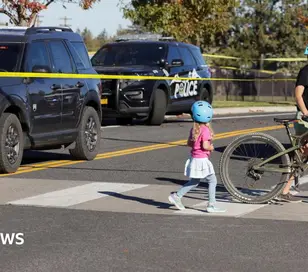
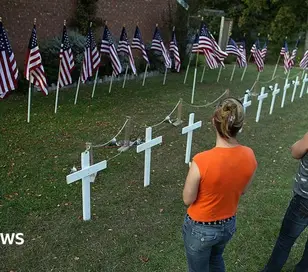
| Teenager kills three children and a teacher at Oregon primary school | 10 | 9 | CNN, NBC, CBS, ABC, Fox, NYT, France 24, DW | BBC, Sky, The Times, The Guardian, Independent, Mirror, Sun |
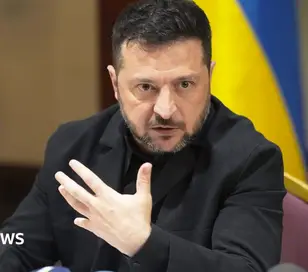
| Zelensky resumes refinery strikes on Russia, defying Trump | 9 | 4 | NYT, France 24, DW, RT, TASS | BBC, Guardian, Independent, Mirror, Daily Mail, Channel 4 |
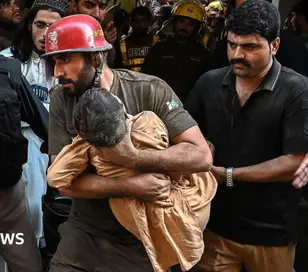
| Dozens of children killed as school roof collapses in Pakistan | 9 | 8 | Al Jazeera, CGTN, ABC Australia, IRNA | BBC, Sky, Channel 4, The Guardian, The Times, Independent, Mirror |
| Trump calls off livestream of Fort Hood attacker’s firing-squad execution | 9 | 7 | NBC, CBS, CNN, Fox, Washington Post | BBC, Guardian, Times, Telegraph, Sky, Sun, Independent, Channel 4 |
| Houthi missiles hit Yemen’s presidential palace in Aden, killing five | 8 | 7 | Al Jazeera, CNN, Al Arabiya, NYT | BBC, Guardian, Sun, Independent |
What the world is leading with
The five stories leading foreign news today that weren’t already in our UK or World lists, and how much attention UK outlets gave them.
| Story | World prominence | UK attention | Neutrality | Lead story at | UK coverage at |
|---|---|---|---|---|---|
| Carney says US is trying to break Canada ahead of Alberta separation vote | 8 | 2 | 7 | DW | BBC |
| Four killed as Indonesia battles its worst forest fires in more than a decade | 7 | 5 | 8 | Al Jazeera | BBC, The Guardian, Independent, Sky |
| Seven sailors missing after drones hit tankers off Romania’s Black Sea coast | 7 | 7 | 6 | France 24, DW | BBC, The Guardian, Independent, Mirror, Sun, Channel 4 |
| Maduro and his wife plead not guilty to US torture charges | 7 | 4 | 8 | DW | BBC, The Guardian, Independent |
| Kenya confirms second Ebola case, a relative of the first patient | 6 | 4 | 9 | Al Jazeera, France 24 | BBC, The Telegraph, Independent |
1. Healey weighs a Budget tax raid on bank profits
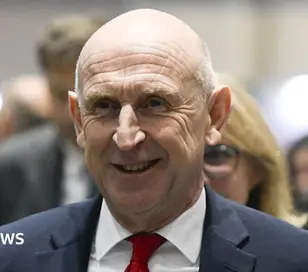
Senior banking executives told the BBC they expect the sector to be “on the menu” when Chancellor John Healey delivers his Budget in two weeks. Healey has called the banks part of “the crown jewels” of the UK economy but has refused to rule out higher taxes on them. The Telegraph led its front page with “Healey plans tax raid on banks”, and the Guardian reported that one option under discussion would reverse the cut to the bank surcharge made under Jeremy Hunt, raising upwards of £2bn a year.
Banks currently pay a 3% surcharge on top of the 25% corporation tax rate, plus a levy on their balance sheets. The levy raised £1.4bn last year and the surcharge £1.2bn, and the BBC said the sector contributed nearly £40bn to the Treasury including employees’ income tax. The four biggest banks made around £15bn in profit in the first half of the year, prompting calls from unions for more tax. Another option discussed with officials is a temporary limit on using past losses to offset profits, worth an estimated £1bn a year. Trade body UK Finance warned higher taxes would weaken competitiveness and investment, and banks told the Telegraph a bigger surcharge would cost the economy £20bn. The Treasury said decisions on tax are for the chancellor.
How it was framed
- BBC (UK, public-service) · Banks say Healey is planning Budget tax raid on their profits; executives expect the sector to be “on the menu”. Focus 8: Sets out the surcharge, levy and loss-offset options with figures, and gives both union calls and UK Finance warnings, keeping attention on the policy choices rather than political drama.
- The Guardian (UK, commercial) · John Healey poised to raise taxes on banks in budget; reversing the surcharge cut could raise over £2bn. Focus 8: Leads on the specific option of reversing the surcharge cut and its revenue, with the Treasury line, and keeps commentary on bankers’ reaction secondary to the measure itself.
- The Telegraph (UK, commercial) · “Healey plans tax raid on banks” on the front; banks warn a higher surcharge would cost the economy £20bn (headline and summary). Focus 6: Front-page raid framing puts the banks’ £20bn cost warning first, so the industry case against the tax gets more weight than the revenue or fairness arguments.
- The Times (UK, commercial) · John Healey set to raise bank taxes to boost government coffers (headline and summary). Focus 7: Frames the move around plugging the public finances and cabinet savings, which keeps the focus on fiscal facts, though the summary gives little on the banks’ own response.
- Independent (UK, commercial) · Healey urged to hike taxes on banks’ “bumper profits”; calls grow as the Iran war hits public finances (headlines and summaries). Focus 6: Puts campaigners’ “bumper profits” language and the Iran war’s cost to the public purse up front, leaning towards the case for a tax rather than neutral options.
- Daily Express (UK, tabloid) · Fury as Healey could force 250 betting shops in seaside towns to shut (related Budget coverage, headline and summary). Focus 5: Picks a different Budget threat, betting-shop closures, with “fury” framing, so the bank tax itself is sidelined in favour of an emotive local-impact angle.
- Reuters (International, commercial) · UK’s Healey says banks are key to economy but keeps tax options open; AI-boosted economy gives pre-budget lift. Focus 9: Wire coverage sticks to Healey’s on-record words and the economic backdrop, with no raid language, making it the most tightly factual account of where the policy stands.
Neutrality: 7/10. Outlets agree on the options and the figures; the split is in tone, with the Telegraph’s “raid” front page leading on banks’ warnings while the Independent foregrounds calls to tax “bumper profits”.
2. Reform faces vetting questions after undercover filming of councillors
Reform UK faced fresh questions about how it vets candidates after ITV News broadcast undercover filming gathered over a year. A first film showed some of the party’s councillors and candidates using racist, violent and sexist language, including Solihull’s deputy mayor Alan Feeney calling Asian families “absolute parasites”. A follow-up showed a Chester branch chairman, Ian Frost, advising an undercover reporter to delete social media posts supporting Tommy Robinson before encouraging him to apply to stand as a councillor, and a former candidate saying he failed vetting twice but was still allowed to stand. Reform denies he failed vetting.
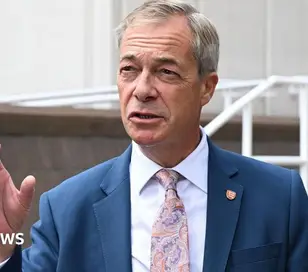
Nigel Farage told BBC Look East that Reform vets “to a much higher standard than other parties” but “you can’t vet for future comments”, and said those filmed had resigned or been suspended. Reform accused ITV of “extreme methods of deception” and said “there is no room for racism” in the party. The Times reported that Farage had protected a mayoral candidate after racist remarks, and the Mirror said his own team had called the candidate “a bit of a racist”. On BBC Question Time, Fiona Bruce asked a Reform MP why those filmed were still in the party, the Mirror reported.
How it was framed
- BBC (UK, public-service) · Reform faces questions over candidate vetting after undercover filming; Farage defends vetting. Focus 8: Lays out what the films showed, Reform’s denials and Farage’s on-record defence in order, keeping the account on the evidence and the party’s response rather than commentary.
- The Times (UK, commercial) · Nigel Farage “protected mayoral candidate after racist remarks”; Reform councillors called Muslims “parasites” (headlines and summaries). Focus 6: Turns the story towards Farage personally with an accusation of protection, which adds a new angle but shifts weight from vetting process facts to the leader’s conduct.
- The Guardian (UK, commercial) · Reform UK councillors and candidates filmed making racist and misogynist comments (headline and summary). Focus 7: Leads on what was said on camera and who said it, staying with the filmed evidence, though the headline gives less space to Reform’s response.
- The Telegraph (UK, commercial) · Reform councillors filmed making racist and misogynistic remarks; comment says Reform has a lot of growing up to do (headlines and summaries). Focus 7: News line stays on the filmed remarks, while a parallel comment piece adds a judgment on the party’s maturity that sits outside the core facts.
- Independent (UK, commercial) · Reform suspends members after undercover investigation; comment argues racists are “a feature” (headlines and summaries). Focus 6: The news headline is factual about suspensions, but prominent comment calling racism a feature of the party pulls the overall package towards opinion.
- Daily Mirror (UK, tabloid) · Farage accused of “protecting” candidate his own team called “a bit of a racist”; Fiona Bruce grills Reform MP (headlines and summaries). Focus 5: Puts accusation and confrontation first, from Farage’s alleged protection to a Question Time grilling, so personality clash outweighs detail on what vetting actually involves.
- Daily Express (UK, tabloid) · Farage “eviscerates” ITV undercover hit on Reform, saying they should spy on Tories (headline and summary). Focus 4: Leads on Farage attacking the broadcaster rather than on the remarks filmed, framing the story as a media hit job and underplaying the substance of the allegations.
- Reuters (International, commercial) · Undercover documentary shows Reform UK candidates making racist, sexual and violent remarks. Focus 8: Plain wire account of what the documentary showed, with no loaded verbs, keeping close to the event for an international audience.
Neutrality: 5/10. All agree on what ITV filmed, but framing splits sharply between outlets focusing on Farage’s personal role, those leading on the remarks themselves, and the Express casting it as a broadcaster’s “hit” on Reform.
3. Harry and Meghan make first joint appearance since returning to the UK
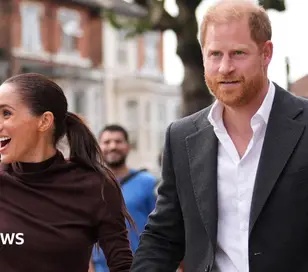
The Duke and Duchess of Sussex made their first joint public appearance since moving back to the UK, spending a day visiting charities in Nottingham. Meghan told crowds “it’s wonderful to be back”. The couple baked cupcakes, made West African food, played pool and tried basketball, and the BBC’s royal correspondent said much of the crowd was young and diverse. Buckingham Palace has made clear it regards the couple as private citizens and that their activities have no royal status, though the BBC noted the day had planned choreography, walkabouts and a shared media pool that made it feel like a royal engagement.
Friday’s papers gave the visit heavy play. The Times said “Crowds treat Sussexes like royalty”, Metro described Meghan as “beaming in burgundy”, and the Mirror said Harry was “happy as HARRY”. The Daily Mail asked what the Palace could do about it and answered “very little”. The Independent and Mirror reported that Meghan’s royal-style visits will be “relatively rare” because she is reading a lot of scripts. Metro reported a woman heckled the couple, and the Express said some fans were angry they were not greeted. The King was in Cardiff for the ceremonial opening of the Senedd on the same day. The couple’s return was announced in August.
How it was framed
- BBC (UK, public-service) · Why Harry and Meghan’s UK relaunch felt so much like a royal engagement; Meghan makes first official appearance since move. Focus 7: Describes the day’s events and the Palace’s private-citizen position clearly, though the analysis adds the correspondent’s own reading of a relaunch, which goes beyond reporting what happened.
- The Times (UK, commercial) · “Crowds treat Sussexes like royalty” on the front; “Look how royal we are!” (on our not royal visit) (headlines and summaries). Focus 5: Front-page framing centres the royal-status question, and a sharper second headline mocks the visit, so attitude to the couple outweighs what they actually did in Nottingham.
- The Telegraph (UK, commercial) · “It’s wonderful to be back”: Harry and Meghan on first outing; Meghan arrives in a £1,495 wool coat (headlines and summaries). Focus 5: Pairs Meghan’s own words with clothing prices and a column on how rare the visits will be, so fashion and status chatter crowd out the charity events.
- Sky News (UK, commercial) · Harry and Meghan “back” with first joint engagement since UK return (headline and summary). Focus 8: Straight account built around the couple’s quote and the fact of the first joint engagement, without adding verdicts on their royal ambitions.
- Daily Mail (UK, commercial) · “Clinging together like survivors”: body language expert on Harry’s clutch of Meghan’s shoulder; Meghan’s “stealth wealth” burgundy (headlines and summaries). Focus 3: Leads on a body-language reading and clothing costs, with front-page questions about the Palace, putting personality speculation far ahead of the facts of the visit.
- Daily Mirror (UK, tabloid) · Meghan and Harry say “it’s great to be back”; royal-style visits to be “relatively rare”; reader poll on faux engagements (headlines and summaries). Focus 5: Reports the quotes and the rarity of visits, but frames the day with a poll on “faux royal engagements”, inviting judgment on the couple rather than reporting events.
- Daily Express (UK, tabloid) · Meghan “in tears” as fans greet her; couple “spark fury” after “failing to greet” waiting fans (headlines and summaries). Focus 3: Runs contradictory emotional angles, tears and fury, both centred on reactions to the couple, which leaves little room for what the visit consisted of.
- Metro (UK, tabloid) · Woman heckles Meghan and Harry during first public outing since UK return (headline and summary). Focus 5: Picks a single heckler as the headline moment, which is factual but gives an isolated incident more weight than the day’s programme.
- NBC News (US, commercial) · Harry and Meghan cheered in first joint appearance since returning to U.K. (headline and summary). Focus 7: Short US account leading on the crowd’s warm reception, staying factual though it leaves out the Palace’s private-citizen stance.
- Fox News (US, commercial) · Harry and Meghan accused of staging “royal theatre” as King Charles faces new dilemma: expert (headline and summary). Focus 3: Built around an expert’s accusation of staged theatre and a dilemma for the King, putting commentary on motives ahead of any reporting of the day.
- Associated Press (US, cooperative) · Prince Harry and Meghan cheered as they make first joint appearances since returning to UK. Focus 8: Wire report on the appearances and the reception, avoiding speculation about status or motives and staying with what happened.
- Reuters (International, commercial) · Prince Harry and wife Meghan make first joint appearance since UK return. Focus 8: Plain wire headline on the event itself, the first joint appearance, with no added judgment about royal status or the couple’s motives, which keeps it tightly factual.
Neutrality: 4/10. The facts of the Nottingham day are agreed, but coverage pulls in very different directions, from warm crowd reports at NBC and the wires to body-language readings, fashion prices and “royal theatre” accusations in the Mail, Express and Fox.
4. Bus hits train at Channel Tunnel terminal in France, injuring 19
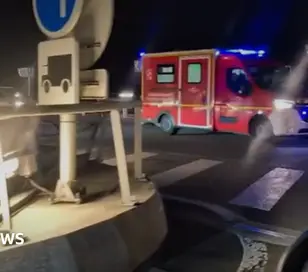
A minibus carrying lorry drivers hit a departing freight shuttle train at a loading platform at the Channel Tunnel terminal in Coquelles, near Calais, injuring the driver and 18 passengers, French authorities said. The collision happened at 19:27 local time (18:27 BST) on Thursday. The bus driver and one passenger were seriously injured and taken away by helicopter, but none of the injuries were life threatening, a local official said.
Sub-prefect Agathe Cury said two trains were either side of the platform, one being loaded with heavy goods vehicles and another departing, and “for a reason that currently remains unknown” the minibus collided with the departing train. The bus did not overturn. All those on board were men of different nationalities, and it was not clear whether any were British. Cury said it was the first incident of its kind on a Eurotunnel loading platform, and an investigation has begun. Freight and Eurostar traffic was not disrupted beyond a brief stoppage to evacuate the injured, she said, and Eurostar said its London services would run as expected. The BBC’s Evan Davis, travelling through at the time, saw emergency vehicles on one platform while cars still moved through check-in. AP and the Washington Post reported that service was halted.
How it was framed
- BBC (UK, public-service) · Bus hits train stopped on French side of Channel Tunnel, with 19 injured. Focus 9: Gives the time, place, injuries, official quotes and Eurostar’s statement in order, with an eyewitness from its own presenter, staying tightly on verified facts.
- Sky News (UK, commercial) · 19 injured after Channel Tunnel collision between bus and train on French side. Focus 9: Straight report of the collision and injury count, locating it on the French side, with no added drama or speculation about cause.
- The Guardian (UK, commercial) · Nineteen injured in collision between minibus and train on Eurotunnel loading platform (headline and summary). Focus 9: Precise on where the crash happened, a loading platform rather than inside the tunnel, which keeps the account accurate and calm.
- The Times (UK, commercial) · Channel Tunnel crash: at least 19 hurt as bus hits train (headline and summary). Focus 8: Factual headline on the injuries, though “Channel Tunnel crash” is broader than the platform location reported by officials.
- The Sun (UK, tabloid) · “Horror smash” between bus and freight train at Channel Tunnel entrance injures 19 (headline and summary). Focus 6: Same facts, but “horror smash” language adds drama the official account does not support, given no injuries were life threatening.
- Daily Mirror (UK, tabloid) · Channel Tunnel service update after bus “slams into” Le Shuttle and injures 19 (headline and summary). Focus 7: Useful focus on what it means for travellers, with slightly heightened “slams into” wording around an otherwise factual update.
- France 24 (France, state-funded) · 19 injured as minibus crashes into train at Channel Tunnel entrance. Focus 9: Plain account from the French side of the incident, leading on the injury count and the terminal location without dramatic verbs or speculation about the cause.
- Washington Post (US, commercial) · Minibus slams into Channel Tunnel shuttle train, injuring 19 and halting service (headline and summary). Focus 7: Adds that service was halted, which differs from French officials’ account of only a brief stoppage, so the disruption angle is pushed harder.
- Associated Press (US, cooperative) · Minibus slams into Channel Tunnel shuttle train, injuring 19 and halting service. Focus 7: Wire headline matches the Post’s, leading on halted service alongside injuries, giving disruption more weight than the officials’ account.
- Reuters (International, commercial) · Nineteen hurt after minibus hits train at French channel tunnel terminal. Focus 9: Concise wire report on the injuries and the terminal location, avoiding dramatic verbs and unconfirmed claims about disruption, so it stays close to what officials said.
- Ynet (Israel, commercial) · France: 19 injured in collision between bus and train in Channel Tunnel (headline and summary). Focus 8: Short factual brief, though placing the crash “in” the tunnel is less precise than the platform location officials gave.
Neutrality: 9/10. The facts are agreed almost everywhere; differences are limited to dramatic verbs at the Sun and Mirror and whether service was described as halted or only briefly paused.
5. NHS England tells hospitals to place trans patients by biological sex
NHS England has issued guidance saying trans patients should be cared for on single-sex wards or bays that match their biological sex rather than their gender identity. Where that is not “clinically appropriate”, alternative arrangements should be made while maintaining the dignity and safety of all patients. Staff changing rooms and toilets should also be used according to biological sex, and trusts are asked to audit whether they offer enough alternatives such as gender neutral or single-occupancy toilets.
Earlier guidance had allowed patients and staff to use wards and facilities according to gender identity. It was withdrawn after the Supreme Court ruled in April 2025 that “sex” in equality law means biological sex. The new guidance says trans people should be offered gender neutral spaces to avoid discrimination, that some decisions will be made case by case, and that clinical need comes first in emergency and urgent care. NHS England data shows 5,520 breaches of mixed-sex accommodation rules in August 2026, up from 3,853 in June 2025. Sex Matters called the guidance a “momentous shift back to reality” but raised concerns about patient records. TransActual and Trans+ Solidarity Alliance said staff would be unclear how to care for trans patients safely. The Mail said the change came 18 months after the court ruling.
How it was framed
- BBC (UK, public-service) · Trans people should use hospital spaces according to biological sex, NHS England says. Focus 8: Sets out what the guidance requires, its legal background and breach figures, and quotes groups on both sides, keeping the focus on the policy itself.
- Sky News (UK, commercial) · Transgender patients to be placed on wards according to their birth sex, NHS England decides. Focus 8: Plain account of the decision and what it means for wards, without loaded framing, though it says less than fuller reports about exceptions for clinical need.
- The Guardian (UK, commercial) · Trans women no longer to be placed on female-only wards under new NHS England guidance (headline and summary). Focus 7: Centres the change on trans women’s access to female wards, accurate but narrower than the guidance, which also covers staff facilities and trans men.
- The Times (UK, commercial) · NHS England tells hospitals to bar trans women from female wards (headline and summary). Focus 6: “Bar” frames the guidance mainly as an exclusion, which is accurate in effect but gives less weight to the alternatives and clinical exceptions it sets out.
- The Telegraph (UK, commercial) · NHS “finally” bans trans women from female spaces (headline and summary). Focus 5: The word “finally” signals approval of a long-awaited change, adding a campaigning tone to an otherwise factual account of the guidance.
- Daily Mail (UK, commercial) · NHS bosses “finally” tell hospitals to stop letting trans women onto female wards 18 months after landmark court ruling (headline and summary). Focus 4: Frames the guidance around delay and NHS bosses’ tardiness, putting criticism of the institution ahead of what the rules require and how they will work.
- Independent (UK, commercial) · New NHS guidance confirms exclusion of trans women patients from female wards (headline and summary). Focus 6: “Exclusion” framing puts the impact on trans women first, accurate but leaning towards one side of a contested debate rather than the full guidance.
Neutrality: 5/10. All outlets report the same guidance, but word choice splits along familiar lines, with “finally” at the Telegraph and Mail welcoming the change and “exclusion” and “bar” elsewhere stressing its impact on trans women.
6. Teenager kills three children and a teacher at Oregon primary school
A 16-year-old shot dead three children and a teacher at Silver Rail Elementary School in Bend, Oregon, before being killed by a bystander, police said. Bend Police Chief Mike Krantz said the suspect forced his way into the school on Thursday afternoon by shooting at locked doors. The children killed were aged five, eight and 11. A seven-year-old and a 54-year-old teacher were taken to hospital in a critical condition.
Police said the first call reported someone shooting at a car with a long gun, and minutes later 911 calls said the attacker had entered the school. A community member who saw the shooting begin pursued him inside and shot him dead; officers arrived three minutes later. Police described the suspect as a local boy and did not name him or the victims, and it was unclear whether he had any link to the school. Around 450 children attend Silver Rail, which has more than 40 staff. Schools in Bend were closed on Friday. The district’s top official called it a “senseless tragedy”, and Oregon Governor Kotek offered support to the community, NBC reported. The BBC cited the K-12 School Shooting Database as recording 235 shooting incidents at US schools last year and at least 140 so far this year. CGTN, Al Jazeera, Times of Israel and Arab News also carried the story.
How it was framed
- BBC (UK, public-service) · Three children and teacher killed in US primary school shooting; how the Oregon shooting unfolded. Focus 9: Reconstructs the timeline from police briefings, victims’ ages and the bystander’s role, adding school-shooting data for context while avoiding speculation about motive.
- Sky News (UK, commercial) · Teenager kills three children and teacher at primary school in Oregon. Focus 9: Clear factual headline on who was killed and where, matching the police account closely and adding no drama, speculation about motive or political framing.
- The Guardian (UK, commercial) · Oregon elementary school shooting: what we know so far (headline and summary). Focus 9: Explainer format sorts confirmed facts from open questions, which keeps the account disciplined and avoids speculation while police details were still emerging.
- Independent (UK, commercial) · Shooter, 16, kills 3 students and a teacher before armed bystander stops him; everything we know about the suspect (headlines and summaries). Focus 7: Factual on the toll, but a separate focus on the suspected gunman and the armed bystander shifts some attention from victims to the attacker’s profile.
- The Sun (UK, tabloid) · Three kids among four killed in elementary school shooting as gunman dead (headline and summary). Focus 7: Accurate on the toll, with tabloid wording, and less detail on how the attack unfolded than fuller reports.
- CNN (US, commercial) · 3 children and a teacher killed in Oregon elementary school shooting, police say; shooter is a 16-year-old (headlines and summaries). Focus 8: Attributes the toll to police and adds sourced detail on the shooter’s age, staying with confirmed facts as the story developed.
- NBC News (US, commercial) · Oregon police say four victims dead; 16-year-old used long gun to shoot at school’s locked doors; Gov. Kotek offers support (headlines and summaries). Focus 9: Extensive live coverage built on police briefings, local reaction and the governor’s response, closely tied to official statements rather than commentary or politics.
- Fox News (US, commercial) · 3 children, 1 adult killed in Oregon elementary school shooting; suspected gunman dead, police say (headline and summary). Focus 8: Straight police-attributed account of the toll and the gunman’s death, without political framing on guns or schools in the headline, so it stays on the event.
- Washington Post (US, commercial) · 3 children, 1 adult killed in Oregon elementary school shooting, authorities say (headline and summary). Focus 8: Factual headline attributed to authorities on the toll, leaving the bystander and timeline to the body, a restrained approach that avoids any added framing.
- Al Jazeera (Qatar, state-funded) · Bystander guns down suspected primary school shooter in Oregon; three children, one teacher killed (headlines and summaries). Focus 7: Leads one piece on the bystander shooting the attacker, which is factual but puts the armed-civilian angle ahead of the victims.
- France 24 (France, state-funded) · Teen shooter kills three children and teacher at Oregon elementary school. Focus 9: Concise international account of the attack and toll that matches police statements, with no added commentary on guns, motive or the armed bystander.
- CGTN (China, state) · Three children ages 5, 8 and 11 and one teacher killed in Bend, Oregon elementary school shooting (headline and summary). Focus 8: Gives victims’ ages and the toll plainly from official figures, though it offers little on how the attack unfolded or how the community responded.
- Associated Press (US, cooperative) · Teen shooter kills 4 at Oregon elementary school before being shot by a witness. Focus 9: Wire account combining the toll and the witness’s intervention in neutral language, leading on facts confirmed by police rather than on the armed-civilian debate.
Neutrality: 9/10. Coverage worldwide closely follows the police account; the main difference is emphasis, with some outlets leading on the armed bystander or the suspect’s profile rather than the victims.
7. Zelensky resumes refinery strikes on Russia, defying Trump
Russia accused Ukraine of attacking an oil refinery after President Volodymyr Zelensky said strikes on Russian refineries, paused at Washington’s request, would resume. Zelensky told the Financial Times “we’re done”, saying he had restricted attacks for three days while Russia kept hitting Ukraine’s energy grid. The Kremlin said Kyiv attempted a large-scale attack on a refinery in Ryazan, south of Moscow, and Russia’s defence ministry said four missiles and dozens of drones were intercepted, with falling debris starting a fire.
Zelensky had said he would accept the “energy ceasefire” Donald Trump announced on Sunday if Moscow also did, but accused Russia of ignoring it within hours. He also accused the US of cutting intelligence-sharing to pressure Kyiv. Ukrainian defence sources told the BBC that some Starlink functionality had since been restored, and UK Defence Secretary Wes Streeting said after meeting Pete Hegseth in Washington that he had been “reassured directly” that access was back, the Guardian reported. Trump told Newsmax that Zelensky was “not a good guy for us to deal with” and that he found him “more difficult to deal with than Putin”, the Mirror reported, and France 24 said Trump called the renewed strikes “a disgrace”. European leaders rallied behind Zelensky, with Italy’s defence minister calling any US intelligence cut a “complete mistake”.
How it was framed
- BBC (UK, public-service) · Russia accuses Ukraine of attacking oil refinery after Zelensky says strikes to resume; some Starlink functions restored. Focus 8: Balances Kyiv’s and Moscow’s claims about the Ryazan strike with sourced Starlink detail and European reaction, keeping the Trump feud as context rather than the lead.
- The Guardian (UK, commercial) · Wes Streeting urges US to back Ukraine on Washington visit after Starlink row; says access restored. Focus 8: Leads on the UK defence secretary’s diplomacy and his on-record Starlink reassurance, giving a British angle anchored in what officials said.
- Independent (UK, commercial) · Zelensky defies Trump and resumes strikes on Russian refineries after accusing US of “betraying” Ukraine (headline and summary). Focus 6: Frames the strikes as defiance of Trump and foregrounds the betrayal accusation, putting the leaders’ feud ahead of the military facts.
- Daily Mirror (UK, tabloid) · Trump brands Zelensky “not a good guy” in blistering attack; Zelensky defies Trump with major refinery attack (headlines and summaries). Focus 5: Puts the personal clash and “blistering” language first, so the refinery strikes and Starlink restoration come second to the war of words.
- Daily Mail (UK, commercial) · Restricting Starlink, buying Putin’s diesel, limiting intelligence sharing: deep dive on whether Trump is a Russian asset (headline and summary). Focus 3: An analysis built around whether Trump is a Kremlin asset, which is speculation about motive rather than reporting on the strikes themselves.
- Channel 4 (UK, public-service) · Russia Ukraine latest: Zelenskyy “done” with Trump’s energy ceasefire (headline and summary). Focus 7: Leads on Zelensky’s own words about the ceasefire, staying close to his decision, though the summary gives little on Russian claims.
- New York Times (US, commercial) · Zelensky says Ukraine will resume Russian refinery strikes, defying Trump; Trump’s deal with Russia inflames war; senators demand Starlink inquiry (headlines and summaries). Focus 7: Places the strikes inside wider analysis of Trump’s Russia deal and congressional pressure, informative but heavier on Washington politics than on the strikes.
- NBC News (US, commercial) · “We’re done”: Ukraine resumes strikes on Russian oil refineries as anger at Trump mounts (headline and summary). Focus 7: Uses Zelensky’s quote and the strikes as the lead, while adding mounting anger at Trump as framing for the decision.
- CNN (US, commercial) · Zelensky says Ukraine will resume strikes on Russian refineries as frustration with Trump mounts (headline and summary). Focus 7: Similar to NBC, factual on the decision but framed around frustration with Trump rather than the military situation.
- France 24 (France, state-funded) · “We’re done”: Ukraine resumes strikes as “only leverage” for peace talks; Trump calls attacks “a disgrace” (headlines and summaries). Focus 7: Explains Kyiv’s reasoning that strikes are its leverage and reports Trump’s reaction, giving both sides’ positions with moderate focus on the feud.
- DW (Germany, public) · Ukraine resumes attacks on Russian refineries as Zelenskyy says “we’re done” (headline and summary). Focus 8: Straight report on the resumption of strikes and Zelensky’s own words, giving less emphasis to the personal clash with Trump than most US and UK outlets.
- Al Jazeera (Qatar, state-funded) · Russia says Ukraine resumes attacks on oil refineries (headline and summary). Focus 8: Leads on Russia’s claim about the refinery attack with clear attribution, keeping to the military event and leaving the Trump-Zelensky feud out of the headline.
- RT (Russia, state) · Ukraine hits two Russian refineries despite Trump’s demands, Moscow says; commentary says Zelensky “has made his choice” (headlines and summaries). Focus 3: Pairs Moscow’s account with opinion urging America to make its own choice, framing Kyiv as defying its patron and pushing a clear Kremlin line.
- TASS (Russia, state) · Communication services to Ukrainian troops limited at White House’s instructions, citing Reuters; US senators urge Starlink inquiry (headlines and summaries). Focus 5: Focuses on US restrictions on Ukraine’s military communications, citing Western sources, which highlights Kyiv’s weakness more than the strikes or Russian attacks.
- Associated Press (US, cooperative) · Ukraine abandons truce and attacks Russian oil refinery as Zelenskyy says he feels betrayed by Trump. Focus 7: Factual on the strike and quote, though “abandons truce” gives less weight to Kyiv’s claim that Russia broke it first.
Neutrality: 4/10. Outlets agree strikes resumed, but split over blame: Western outlets frame it as Kyiv’s response to a broken truce and US pressure, while RT and TASS cast Ukraine as defying its ally, and some UK tabloids make it a Trump-Zelensky personal feud.
8. Dozens of children killed as school roof collapses in Pakistan
At least 33 pupils and a teacher were killed when a school roof collapsed in the north-western Pakistani city of Peshawar, according to hospital officials cited by the BBC, with other outlets reporting tolls between 32 and 35. More than a dozen people were injured, some critically. Emergency services were called to the private Al-Khair school in Dir Colony at 08:48 on Thursday, after lessons had begun.
A rescue official said the roof of an upper-floor classroom collapsed and brought the ceilings below down, trapping children. Peshawar police chief Mian Saeed said classrooms on three floors were destroyed, with about 30 pupils in the top class, 40 in the middle and 45 on the ground floor. He said the structure had “substandard” roof slabs and was overloaded, and an emergency official said the building had been put up on a temporary basis. The school’s owner has been arrested, and police promised an inquiry into possible building-code violations. Local residents dug children out with shovels and their hands. Khyber Pakhtunkhwa’s governor ordered a safety audit of all schools in the province. Relatives accused the school of ignoring safety concerns. In June, 14 children died when a tuition centre roof collapsed near Lahore. Al Jazeera reported Peshawar mourning, and ABC Australia said thousands attended funerals.
How it was framed
- BBC (UK, public-service) · At least 33 pupils and teacher killed after school roof collapses in Pakistan; at the scene. Focus 9: Combines official figures, the police chief’s account of the structure, rescuers’ testimony and the arrest, focused on what happened and why.
- Sky News (UK, commercial) · School owner arrested after dozens of children killed in roof collapse (headline and summary). Focus 8: Leads on accountability through the owner’s arrest alongside the toll, a factual angle with less on the building’s condition.
- Channel 4 (UK, public-service) · 34 children killed in Pakistan school roof collapse (headline and summary). Focus 9: Plain headline on the death toll among children, without embellishment, though the summary says little about the building’s condition or the owner’s arrest.
- The Guardian (UK, commercial) · Pakistan school roof collapse kills at least 34 children and teacher (headline and summary). Focus 9: Straight factual account of the collapse and its victims, leading on the toll of children and the teacher without added drama or early blame.
- The Telegraph (UK, commercial) · Thirty-two children dead after Pakistan private school collapses (headline and summary). Focus 8: Factual on the toll and notes the school was private, which points towards questions of regulation and safety standards without turning them into commentary.
- Daily Mirror (UK, tabloid) · At least 34 children killed in Pakistan school roof collapse as owner arrested (headline and summary). Focus 8: Pairs the toll with the owner’s arrest in a factual headline, giving accountability a place next to the victims without tabloid embellishment.
- CNN (US, commercial) · Pakistan school roof collapse kills at least 32 children and one teacher (headline and summary). Focus 9: Concise factual report of the collapse and the toll of children and a teacher, without added speculation about causes or blame.
- Washington Post (US, commercial) · School roof collapse in Pakistan kills at least 35 and injures more than 50 (headline and summary). Focus 8: Factual with injury figures, though its higher toll differs from other outlets because numbers changed through the day, which it does not flag in the headline.
- Al Jazeera (Qatar, state-funded) · Dozens of children killed after roof collapses in Pakistani school; Peshawar mourns (headlines and summaries). Focus 9: Follows the collapse through to mourning in Peshawar, keeping attention on the victims and their families rather than on politics or blame.
- CGTN (China, state) · At least 30, mostly pupils, killed after Pakistan school roof collapse; live coverage (headlines and summaries). Focus 8: Gave live coverage with an attributed toll, factual and steady, though it offers little on the building’s condition or the arrest of the owner.
- IRNA (Iran, state) · Iran’s foreign ministry spokesman extends condolences over death of Pakistani students and teachers (headline and summary). Focus 6: Covers the disaster through Tehran’s official condolences, so the story becomes a diplomatic gesture rather than an account of the collapse.
- ABC Australia (Australia, public) · Thousands mourn 34 children killed in Pakistan school roof collapse (headline and summary). Focus 9: Leads on mass mourning and the toll, factual and focused on the community’s loss, with less on causes or the official investigation.
- Reuters (International, commercial) · Thirty-four children and a teacher killed in Pakistan school roof collapse. Focus 9: Wire account of the toll that also quotes relatives’ anger at the school, staying factual while recording the accountability questions raised by families.
Neutrality: 8/10. Accounts agree on the collapse and the owner’s arrest; differences are mostly in death tolls as figures rose through the day, with IRNA covering it chiefly through official condolences.
9. Trump calls off livestream of Fort Hood attacker’s execution
President Donald Trump called off plans to livestream the firing-squad execution of Nidal Hasan, the former US Army psychiatrist who killed 13 unarmed military personnel and wounded 32 at Fort Hood, Texas, in 2009. The Pentagon had announced last week that Hasan would be executed on 3 December 2026 and that the event would be streamed, prompting criticism from human rights groups and others. The United Nations called the plan “abhorrent”, and the BBC reported that retired US generals had urged the Pentagon to cancel it.
On Truth Social Trump wrote that “many very good and well meaning people would rather not watch him die”, adding that streaming “might have been a strong deterrent” but that Hasan “will die, as scheduled, by firing squad”. Victims’ families can still attend in person. It will be the first US military execution in more than 60 years. Defence Secretary Pete Hegseth had defended the plan, and a Pentagon spokesman said he supports the president’s decision. Hasan’s lawyer told the BBC the plan breached Army regulations and that Hasan is paralysed from the chest down. The Washington Post reported that 8 in 10 Americans opposed the livestream, and NBC said the White House had overruled Hegseth again. Channel 4 spoke to a victim’s daughter who said she was glad.
How it was framed
- BBC (UK, public-service) · Trump calls off livestream of Fort Hood attacker’s execution by firing squad. Focus 8: Gives Trump’s words, Hegseth’s position, international criticism and the defence lawyer’s response, keeping the account on the decision and its background.
- The Guardian (UK, commercial) · Trump cancels plan to livestream execution after global condemnation; Hegseth church allies backed “public” execution (headlines and summaries). Focus 6: Ties the U-turn to global condemnation and investigates Hegseth’s religious allies, adding a political angle beyond the decision itself.
- The Times (UK, commercial) · Fort Hood shooter’s execution will not be livestreamed, says Trump; victim’s son writes the world shouldn’t see it (headlines and summaries). Focus 8: Straight news line plus a first-person piece from a victim’s relative, which humanises the story while staying relevant.
- The Sun (UK, tabloid) · Trump says terrorist’s firing squad execution will NOT be livestreamed in “shock U-turn”; discovered killer is paralysed (headlines and summaries). Focus 5: Capital letters and “shock U-turn” add drama, and the paralysis angle is played as a twist rather than as part of the legal context.
- Sky News (UK, commercial) · Firing squad execution of mass killer will not be livestreamed, Trump says (headline and summary). Focus 8: Plain report of the decision attributed to Trump, without extra framing about Hegseth, the backlash or the paralysis claim, keeping it tightly on the news.
- Channel 4 (UK, public-service) · Daughter of Fort Hood victim “glad” execution not being livestreamed (headline and summary). Focus 7: Centres a victim’s daughter’s reaction, which is relevant and humane but narrower than the decision itself, the Pentagon’s original plan and the criticism behind it.
- NBC News (US, commercial) · White House overrules Pete Hegseth again, this time on livestreaming execution (headline and summary). Focus 5: Frames the decision as another defeat for Hegseth, turning it into a story about power inside the administration.
- CBS News (US, commercial) · Trump calls off plan to livestream Fort Hood shooter’s execution, says people “would rather not watch him die” (headline and summary). Focus 8: Leads on the decision and Trump’s own words about people not wanting to watch, staying with the facts rather than framing it as a defeat for Hegseth.
- Fox News (US, commercial) · Fort Hood survivors praise Trump for scrapping livestream: “We’re not barbaric” (headlines and summaries). Focus 6: Leads with survivors praising Trump, a favourable framing for the president that leaves out Hegseth’s role and the criticism that forced the change.
- Washington Post (US, commercial) · Trump cancels Hegseth’s plan to live-stream execution; 8 in 10 Americans opposed it (headlines and summaries). Focus 7: Combines the decision with polling showing wide opposition, informative context, though the headline stresses that the original plan belonged to Hegseth.
- Al Jazeera (Qatar, state-funded) · Trump says Fort Hood US shooter execution will not be livestreamed (headline and summary). Focus 8: Plain attributed report of the decision for an international audience, without adding commentary on US politics or the death penalty debate.
- France 24 (France, state-funded) · Fort Hood shooter’s firing squad execution will not be livestreamed, Trump says. Focus 8: Factual brief on the decision attributed to Trump, with no added framing about Hegseth or the international criticism that preceded it.
- Times of Israel (Israel, commercial) · Trump nixes Hegseth’s plan to broadcast execution of Fort Hood shooter (headline and summary). Focus 7: Factual on the cancellation, with mild emphasis on Trump overruling Hegseth in the headline, which adds a small political angle to the decision.
- Associated Press (US, cooperative) · Trump, after bipartisan backlash, says Pentagon won’t livestream execution of Fort Hood shooter. Focus 8: Wire headline links the decision to bipartisan backlash, a factual line of context that explains the reversal without taking sides.
Neutrality: 7/10. The decision is reported consistently; framing differs between those stressing a defeat for Hegseth, the global condemnation behind it, and Fox’s lead on survivors praising Trump.
10. Houthi missiles hit Yemen’s presidential palace in Aden, killing five
Five people were killed and 16 injured when Houthi missiles hit al-Maashiq Palace in Aden, the seat of Yemen’s internationally recognised government, officials said. Information Minister Moammar al-Eryani told the BBC the prime minister and other ministers were unhurt when five ballistic missiles struck. The health minister said the dead included guards and civilian employees. Death tolls varied in early reports, with Al Arabiya and Times of Israel reporting four and the Washington Post and Arab News two.
The Houthis’ military spokesman, Yahya Sarea, said they had struck “the Saudi enemy’s military operations headquarters in Aden”. Prime Minister Shaya Zindani called the attack “cowardly” and said operations against the Houthis would continue. A Saudi-led coalition backs the government and is giving air support to an offensive against the Iran-backed Houthis. Earlier the Houthis denied attacking Saudi Arabia on Thursday, after the coalition said it intercepted a cruise missile over the Medina region. On Saturday a Houthi strike killed 13 people at Riyadh’s airport. Saudi Arabia’s deputy foreign minister accused Iran of encouraging the escalation; Iran has denied arming the Houthis. A four-year informal ceasefire began to unravel in July when the Houthis declared a “maritime embargo” on Saudi Arabia. Reuters reported the coalition also detailed attacks on Saudi infrastructure.
How it was framed
- BBC (UK, public-service) · Houthi missile attack on Yemeni presidential palace kills five, minister says. Focus 8: Gives casualty figures with attribution, both sides’ statements, and the Saudi and Iranian context, keeping the account grounded in on-record sources.
- The Guardian (UK, commercial) · Houthi missiles strike Yemen presidential palace, killing five (headline and summary). Focus 9: Factual headline on the strike and the toll of five, without dramatic language, matching the Yemeni government’s account as reported by ministers.
- The Sun (UK, tabloid) · Houthis “blitz” presidential palace with ballistic missiles as 6 blasts rock city (headline and summary). Focus 6: “Blitz” and a count of blasts heighten the drama, putting spectacle ahead of casualties, the targets named by the Houthis and the wider Saudi context.
- Independent (UK, commercial) · At least 6 explosions heard near Yemen government-used palace in Aden, witnesses say (headline and summary). Focus 8: Early witness-based account of explosions, careful in calling it a palace used by the government, though written before casualty figures were known.
- CNN (US, commercial) · Iran-aligned Houthis launch deadly attack on Yemeni presidential palace in escalating campaign against Saudi Arabia (headline and summary). Focus 7: Frames the attack within the Iran-aligned campaign against Saudi Arabia, informative context that leans on the regional rivalry.
- New York Times (US, commercial) · Houthi missiles strike government headquarters in Yemen; why does Saudi Arabia struggle to stop Houthi attacks? (headlines and summaries). Focus 8: Factual news line plus analysis of why Saudi Arabia struggles to stop Houthi attacks, keeping attention on the military situation rather than rhetoric.
- Washington Post (US, commercial) · 2 killed in explosions near palace used by Yemen’s government in latest Houthi attack (headline and summary). Focus 7: Uses a lower early toll of two, factual at the time of writing, and places the attack in a series without adding interpretation of motives.
- Al Jazeera (Qatar, state-funded) · At least 5 killed in Houthi attack on Yemen’s presidential palace in Aden. Focus 9: Plain account of the toll and the target in Aden, without loaded language, closely matching what Yemeni officials said on the record.
- CGTN (China, state) · 5 killed in presidential palace attack in Yemen’s Aden (headline and summary). Focus 8: Brief factual headline on the toll that does not name the attackers, which is cautious but leaves out who claimed responsibility.
- France 24 (France, state-funded) · Houthi attack on palace used by Yemen government in Aden kills five. Focus 9: Factual report with careful wording on the palace’s use by the government, leading on the toll without regional commentary.
- Al Arabiya (Saudi, commercial) · Houthi attack on presidential palace in Yemen’s Aden kills four (headline and summary). Focus 8: Factual with a slightly lower toll of four, from a Saudi-owned outlet whose country backs one side in the conflict, though the headline itself is neutral.
- Arab News (Saudi, commercial) · Houthi missile attack on Aden presidential palace kills 2 as Taiz battles intensify (headline and summary). Focus 7: Combines the palace attack with intensifying fighting in Taiz, giving wider war context, though its lower early toll differs from ministers’ later figure.
- Times of Israel (Israel, commercial) · Houthi attack on presidential palace in Yemen’s Aden kills 4, government sources say (headline and summary). Focus 8: Attributed to government sources with a toll of four, factual and restrained, without commentary on Iran’s role or the Saudi campaign.
- Reuters (International, commercial) · Yemen’s Houthis hit palace in Aden, coalition details attacks on Saudi infrastructure. Focus 8: Pairs the strike with the coalition’s account of other attacks on Saudi infrastructure, factual and sourced, giving the military context both sides describe.
Neutrality: 7/10. Outlets agree on the attack but differ on tolls as figures emerged, and on context, with US and Saudi outlets stressing Iran and the campaign against Saudi Arabia.
11. Carney says US is trying to break Canada ahead of Alberta separation vote
Canadian Prime Minister Mark Carney told a pro-Canada rally in Calgary that “some outside our borders are working to break us so they can own us”, ahead of Monday’s vote in Alberta on whether to start a legal process towards a referendum on separation. He did not name the United States or Donald Trump, but DW and AP reported his remarks as a warning about the US, which is in a trade war with Canada and whose president has threatened to make it the 51st state.
The vote is not a direct independence referendum. Carney, who grew up in Alberta, said the province’s frustrations were “real” but urged voters not to “send a message”, calling a vote against Canada “a dangerous bluff”. A leading separatist, Mitch Sylvestre, told AFP that US interests “don’t play a role”. France 24 and Arab News framed the vote as a test of Canadian unity, and the BBC reported Carney warning the “stakes are high”.
How it was framed
- DW (Germany, public) · Carney says US trying to break Canada as Alberta vote looms; explains what Albertans are voting on. Focus 8: Leads on Carney’s warning but explains clearly that the vote is a step towards a referendum, and quotes a separatist leader, keeping the account balanced.
- BBC (UK, public-service) · Canada PM warns “stakes are high” as Alberta separation vote nears (headline and summary). Focus 8: Uses Carney’s own words about the stakes without attributing his remarks to the US, a cautious framing that stays close to what he actually said.
- New York Times (US, commercial) · Alberta will vote on a possible referendum to secede from Canada: here’s what to know (headline and summary). Focus 9: An explainer centred on the mechanics of the vote, putting process and facts ahead of the Carney-Trump angle.
- Washington Post (US, commercial) · Prime Minister Mark Carney says US is trying to break Canada as Alberta votes on separation path (headline and summary). Focus 7: Reads Carney’s unnamed reference as being about the US in the headline, which matches reporting elsewhere but goes slightly beyond his literal words.
- France 24 (France, state-funded) · Carney campaigns for Canadian unity before Alberta secession vote; oil-rich Alberta tests Canada’s unity (headlines and summaries). Focus 8: Frames the vote around unity and Alberta’s oil wealth, a factual angle that gives less weight to the US dimension.
- Arab News (Saudi, commercial) · Alberta independence vote tests Canada’s unity amid US tensions (headline and summary). Focus 7: Combines the unity test with US tensions in a fair summary, though calling it an independence vote overstates what Monday’s ballot decides.
- Reuters (International, commercial) · What does Alberta’s referendum on separation from Canada mean? (headline and summary). Focus 8: An explainer focused on what the vote means legally and politically, staying with facts rather than rally rhetoric.
Neutrality: 7/10. Outlets agree on the vote and Carney’s warning; they differ on whether they name the US as his target and on how clearly they explain that Monday’s ballot is not itself an independence referendum.
12. Four killed as Indonesia battles its worst forest fires in a decade
Four people fighting a wildfire in Bromo Tengger Semeru National Park in East Java were killed, Indonesia’s Forestry Ministry said, as the country battles its worst forest fires in more than a decade. Two others were seriously burned. Satellite monitoring detected 799 high-confidence hotspots nationwide on Thursday night, up 427 from the day before, according to Al Jazeera, which cited the ministry and Reuters. Sumatra and Borneo are the worst affected.
President Prabowo Subianto has approved accepting help from neighbouring countries. Haze has spread across the region, causing breathing problems for hundreds of thousands of people and closing schools in Malaysia and East Timor, while Singapore’s pollution levels spiked, Reuters and France 24 reported. The BBC and the Guardian reported Indonesia dropping dry ice from aircraft to try to clear the haze, and Sky News showed orange smog over Indonesian cities.
How it was framed
- Al Jazeera (Qatar, state-funded) · Four killed as Indonesia battles worst forest fires in more than a decade; Jakarta to accept foreign help. Focus 9: Leads on the deaths with ministry figures on hotspots and the decision to accept foreign help, closely sourced and focused on the emergency itself.
- BBC (UK, public-service) · Desperate to clear toxic haze, Indonesia douses its skies with dry ice; residents share footage of orange haze (headlines and summaries). Focus 7: Focuses on the unusual dry-ice tactic and residents’ footage, vivid and factual but giving less on deaths and the regional spread.
- The Guardian (UK, commercial) · Indonesia fights fire with dry ice as toxic haze spreads across region (headline and summary). Focus 8: Combines the dry-ice response with the haze spreading across borders, covering both the method and the regional impact.
- NBC News (US, commercial) · Singapore pollution spikes and East Timor shuts schools as Indonesia wildfire haze intensifies (headline and summary). Focus 8: Leads on cross-border effects, from Singapore’s pollution spike to school closures in East Timor, a factual angle showing why neighbours are affected.
- France 24 (France, state-funded) · Four killed in Indonesia battling fires causing toxic haze; haze spikes Singapore pollution (headlines and summaries). Focus 9: Covers both the deaths of firefighters and the regional pollution in plain wording, staying tightly on reported facts without blame.
- ABC Australia (Australia, public) · Indonesia to deploy dry ice to reduce thick haze; what the smoke does to the body (headlines and summaries). Focus 8: Pairs the response with a health explainer, useful context that keeps the focus on effects rather than blame.
- Reuters (International, commercial) · Why is the haze so bad in Southeast Asia this year? Singapore pollution spikes as haze intensifies (headlines and summaries). Focus 8: An explainer and news reports on the haze’s causes and spread across Southeast Asia, factual and regional in scope rather than focused on blame.
Neutrality: 8/10. Coverage is consistent on the fires, deaths and haze; the main difference is emphasis, with some outlets leading on dry-ice tactics and others on casualties or neighbouring countries.
13. Seven sailors missing after drones hit tankers off Romania’s Black Sea coast
Seven of 12 crew members were missing after a drone attack set the chemical tanker Wine Trader ablaze off Romania’s coast, Romanian naval authorities said. The San Marino-flagged ship was 13 nautical miles east of the Danube mouth at Sulina and empty of cargo. Romanian President Nicusor Dan said a second tanker, the Comoros-flagged Yara J, had been hit by a drone the day before; its crew were reported safe. Moscow said it had hit two cargo ships carrying military cargo to Ukraine’s Odesa port, without naming them.
Helicopters and rescue boats searched in high waves. Dan said “there will be a response from the Romanian state” and was due to meet NATO chief Mark Rutte with Bulgaria’s prime minister, while Romania and Bulgaria discussed invoking Article 4 of the NATO treaty. France 24 reported NATO would address the attacks, and AP said they raised fears the war was spreading. Some outlets reported eight missing.
How it was framed
- BBC (UK, public-service) · Seven crew missing after drone attack leaves tanker ablaze off Romania’s coast. Focus 8: Names both vessels, gives Romanian and Russian accounts and the NATO dimension, keeping attribution clear about who hit what and what remains unconfirmed.
- The Guardian (UK, commercial) · Seven sailors missing after drones strike tankers near Romania’s Black Sea coast (headline and summary). Focus 9: Plain factual headline on the missing sailors and the drone strikes, without speculating on who launched the drones or turning it into an escalation story.
- Independent (UK, commercial) · Seven sailors missing after tanker fire off Romania’s coast amid Russian drone fears (headline and summary). Focus 7: Adds Russian drone fears to the headline, which reflects reporting but foregrounds suspected blame before it was formally established.
- The Sun (UK, tabloid) · Two tankers on fire off coast of Romania after “ANOTHER” drone blitz (headline and summary). Focus 5: Capitals and “blitz” turn the story into an escalation drama, putting the series of attacks ahead of the missing crew.
- Channel 4 (UK, public-service) · Russia “testing Nato” in Black Sea drone attacks, says Romanian politician (headline and summary). Focus 6: Leads on a politician’s interpretation of Russian intent, which frames the event as a NATO test rather than reporting the rescue.
- France 24 (France, state-funded) · NATO to address drone attacks in the Black Sea after seven missing off Romania (headline and summary). Focus 8: Links the missing crew to NATO’s planned response, a factual angle on what happens next that stays measured about who was responsible.
- DW (Germany, public) · 2 ships on fire off Romania’s Black Sea coast, 7 crew missing (headline and summary). Focus 9: Concise factual report of both ships on fire and the missing crew, without speculation about blame or the wider war.
- Al Jazeera (Qatar, state-funded) · Seven missing after two tankers catch fire off Romania’s Black Sea coast (headline and summary). Focus 8: Factual on the missing crew, though saying the tankers “catch fire” underplays the drone strikes that Romanian officials reported.
- Associated Press (US, cooperative) · Drone strike and fire on ship in Romanian waters raise fears that war in Ukraine is spreading. Focus 7: Puts fears of the war spreading first, informative about the stakes but leaning on interpretation over the immediate rescue facts.
Neutrality: 6/10. Outlets agree on the strikes and missing crew but diverge on framing, from plain rescue reports to escalation and NATO-test angles, and differ on the number missing.
14. Maduro pleads not guilty to US torture charges
Venezuela’s former leader Nicolas Maduro and his wife, Cilia Flores, pleaded not guilty in a New York court to new charges of conspiracy to commit torture. A new indictment alleges they “created and maintained a violent system of repression” in which thousands of Venezuelans were killed, harassed and tortured, including US citizens. Maduro told the court he rejected the “false accusations”; Judge Alvin Hellerstein interrupted him and entered a not guilty plea. Flores said she was “completely innocent”.
The couple were captured in a US military raid in January and are held in Brooklyn. They already face narco-terrorism and drug charges and argue they have sovereign immunity. Their trial is set for June 2027. CNN led on the judge cutting Maduro off, while NBC described him as shackled.
How it was framed
- BBC (UK, public-service) · Maduro pleads not guilty to new torture-related charges in New York. Focus 9: Sets out the indictment, both defendants’ words in court, the immunity argument and the trial date, closely tied to the courtroom record.
- The Guardian (UK, commercial) · Nicolas Maduro tells New York court new torture allegations are “false” (headline and summary). Focus 8: Leads on Maduro’s denial in his own words, factual but giving the defence line more prominence than the charges.
- NBC News (US, commercial) · Shackled Maduro calls new torture allegations “false”; he and his wife plead not guilty (headlines and summaries). Focus 7: Adds the image of a shackled Maduro to the denial, factual courtroom colour that slightly dramatises an otherwise procedural hearing.
- CNN (US, commercial) · Judge cuts off Maduro as he tries to give statement in court (headline and summary). Focus 6: Picks the courtroom exchange as the headline moment, which gives procedure and drama more weight than the charges themselves.
- CBS News (US, commercial) · Nicolas Maduro, wife Cilia Flores plead not guilty to new torture charges (headline and summary). Focus 9: Plain factual headline on both pleas and the new torture charges, without courtroom drama or added framing about Venezuela’s politics.
- Al Jazeera (Qatar, state-funded) · Venezuela’s Maduro pleads not guilty to US conspiracy to torture charges (headline and summary). Focus 9: Straight report of the plea and the conspiracy-to-torture charge, with clear attribution to US prosecutors rather than presenting the allegations as fact.
- France 24 (France, state-funded) · Maduro and wife deny US torture charges as “false accusations” (headline and summary). Focus 8: Leads on the couple’s denial, calling the charges false accusations, which is factual but gives the defendants’ words more weight than the indictment.
- DW (Germany, public) · Venezuela’s Nicolas Maduro pleads not guilty to torture indictment (headline and summary). Focus 9: Concise factual report of the not guilty plea to the torture indictment, without courtroom colour or political commentary.
- Reuters (International, commercial) · Venezuela’s Maduro and wife plead not guilty to US torture charges. Focus 9: Plain wire report on both pleas and the charges, close to the court record and free of courtroom drama or loaded description.
Neutrality: 8/10. The hearing is reported consistently; differences are in emphasis, with some outlets leading on Maduro’s denial or the judge cutting him off rather than the charges.
15. Kenya confirms second Ebola case, a relative of the first patient
Kenya has confirmed a second case of Ebola, a 39-year-old man who is a close relative of the first patient and was already in quarantine when he fell ill, the health ministry said. The first case, a 40-year-old Kenyan businessman, died on 5 October after travelling from the Democratic Republic of Congo through Uganda. The ministry said both cases are linked, there is no evidence of wider spread, and Kenya remains open with no travel or trade restrictions.
Officials have traced 113 of the first patient’s 128 contacts, 108 of whom are in quarantine. More than 4,000 people have died from Ebola in DR Congo this year, the BBC reported. Al Jazeera examined Kenya’s preparedness beyond Nairobi, and CGTN reported a World Bank pledge of $426.6m for the Ebola response.
How it was framed
- BBC (UK, public-service) · Kenya confirms second Ebola case, a relative of the first victim. Focus 9: Gives the ministry’s account, contact-tracing figures and the regional outbreak context, with the reassurance about no wider spread clearly attributed.
- The Telegraph (UK, commercial) · Second Ebola case confirmed in Kenya (headline and summary). Focus 9: Brief factual headline on the confirmation of a second case, without alarm or commentary on how far the outbreak might spread.
- Independent (UK, commercial) · Kenya confirms second Ebola case, a relative of first patient (headline and summary). Focus 9: Wire-based factual headline that includes the family link, which signals the case is among known contacts rather than wider community spread.
- New York Times (US, commercial) · Second Ebola infection announced in Kenya; opinion says Ebola has never spread this quickly (headlines and summaries). Focus 7: Straight news line is paired with an opinion piece on unprecedented spread, which adds alarm beyond what Kenya’s ministry reported.
- Al Jazeera (Qatar, state-funded) · Kenya’s health ministry confirms second Ebola case; cases test preparedness beyond Nairobi (headlines and summaries). Focus 8: Combines the confirmation with analysis of health readiness beyond Nairobi, factual and useful context on how prepared Kenya is to respond.
- France 24 (France, state-funded) · Kenya reports second Ebola case, family member of first patient (headline and summary). Focus 9: Plain report including the family link, closely matching the health ministry’s statement and avoiding alarm about wider spread.
- CGTN (China, state) · World Bank commits $426.6 million to Ebola response (headline and summary). Focus 7: Covers the outbreak through a World Bank funding pledge for the response, factual but not about Kenya’s new case directly.
- Reuters (International, commercial) · Kenya reports second Ebola case, family member of first patient. Focus 9: Wire report on the new case and the family link, without speculation, matching the ministry’s statement that there is no wider spread.
Neutrality: 9/10. Reports are near-identical on the facts, with only the New York Times opinion section adding a note of alarm about how quickly the virus is spreading.