Edition
29 October 2026
UK
| Story | UK prominence | Neutrality | Lead story at | Top 3 at |
|---|---|---|---|---|
| Budget reaction | 10 | 5 | BBC, Daily Mail, Daily Mirror | The Guardian, The Times, The Telegraph |
| Tommy Robinson guilty | 8 | 7 | None | Daily Mirror, Sky News |
| Russell Brand gives evidence | 7 | 6 | None | Daily Mirror, Daily Mail |
| Train stabbing trial opens | 6 | 8 | None | Sky News |
| Farage skips Budget | 6 | 6 | None | Daily Express |
World
| Story | World prominence | Neutrality | Lead at | UK pickup |
|---|---|---|---|---|
| Spain train crash | 10 | 8 | France 24, BBC World | BBC, The Guardian, The Times, Sky News, Daily Mail, Daily Mirror |
| Israel count: no majority | 9 | 5 | DW, Ynet | BBC, The Guardian, The Times, The Telegraph, Daily Mirror, Independent |
| Belgrade embassy attack | 7 | 7 | None | BBC, Sky News, The Telegraph, The Sun, Daily Mirror, Independent |
| Bolsonaro claims leadership | 8 | 5 | None | BBC, The Guardian, The Times, Sky News, The Telegraph, Independent |
| Ebola outbreak warning | 6 | 7 | None | The Guardian, Sky News, Independent, Daily Mirror |
What the world is leading with
The five stories leading foreign news today that weren’t already in our UK or World lists, and how much attention UK outlets gave them.
| Story | World prominence | UK attention | Neutrality | Lead story at | UK coverage at |
|---|---|---|---|---|---|
| Judge rejects California ballot bid | 9 | 3 | 6 | NBC News, CBS News | The Guardian |
| Obama and Trump duelling rallies | 8 | 6 | 6 | CNN | The Guardian, Daily Mail, Daily Mirror, Independent |
| Iran peace push | 8 | 1 | 5 | Al Jazeera | None |
| DHS staff data leak | 6 | 5 | 5 | Fox News | BBC, The Guardian |
| North Korea missile barrage | 5 | 2 | 8 | None | Independent |
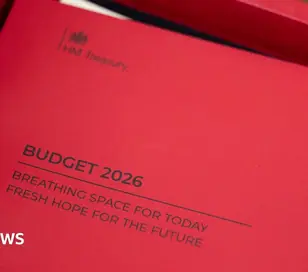
1. Healey’s first Budget hands £100 to 20 million households and raises taxes on banks and landlords, as forecasters warn of a grim squeeze
Chancellor John Healey raised taxes on banks and landlords to fund a £100 winter payment for 20 million households, in the first Budget since Andy Burnham became prime minister, The Guardian reported. The one-off payment goes to households in council tax bands A to D in England, with equivalent funding for Scotland, Wales and Northern Ireland, the BBC said.
The BBC’s summary listed standing charges removed from household gas bills, the VAT cut on electricity extended to July, the fuel duty freeze extended to July and import taxes lifted on more than 100 food products. The surcharge banks pay on profits will rise from 3% to 6% for 15 months, and an extra 2% tax will apply to income from savings and property rental from April. The Guardian said the Office for Budget Responsibility warned of a “grim picture” for living standards, with “virtually no growth” in disposable income, and that the property tax change risked a steady rise in rents. Healey later told the BBC there would be a reduction in the welfare bill before the next election. The Daily Mail led on middle earners facing a fall in living standards, while the Telegraph called it a tax raid on savers.
How it was framed
- BBC (UK, public-service) · Budget key points at a glance. Focus 8: Sets out each measure in a plain list, from the £100 payment to the bank surcharge, leaving reaction and political argument to separate pieces.
- The Guardian (UK, commercial) · Healey hikes taxes on banks and landlords to fund £100 handouts to 20m households. Focus 7: Puts the tax rises and the handout together, then gives weight to the OBR’s grim outlook and criticism from savers and thinktanks.
- Daily Mail (UK, commercial) · Worse off under Burnham: the middle earners and families struggling with bills who face a fall in living standards. Focus 3: Frames the Budget through the prime minister and those left worse off, with columnists mocking Healey, giving little room to the measures themselves (headline and summary).
- Daily Mirror (UK, tabloid) · Energy bills help for millions revealed in Budget to weather ‘economic storms’. Focus 6: Leads on the energy help and gives the chancellor his own column, a supportive framing that puts the cost of living relief first (headline and summary).
- The Telegraph (UK, commercial) · Healey launches tax raid on savers as welfare bill spirals. Focus 4: Leads on the savings tax as a raid and ties it to welfare spending, an opinionated framing that underplays the energy support (headline and summary).
- The Times (UK, commercial) · Healey’s budget dodged the big decisions, but the crunch is coming. Focus 5: Leads with analysis arguing the hard choices were postponed, putting judgement ahead of the detail of what was announced (headline and summary).
- Sky News (UK, commercial) · JPMorgan Chase faces £100m-plus tax bill from Healey raid. Focus 7: Focuses on the bank surcharge through one named lender, a concrete business angle that leaves out household measures (headline and summary).
- New York Times (US, commercial) · A U.K. Budget With ‘Breathing Space’ in a Time of Rising Energy Costs. Focus 8: Explains the Budget for overseas readers through the government’s own phrase and energy costs, with little partisan colour (headline and summary).
- Al Jazeera (Qatar, state-funded) · Five key takeaways from the UK Autumn Budget. Focus 8: Offers a short explainer of the main measures for an international audience, staying on policy rather than Westminster politics (headline and summary).
- France 24 (France, state-funded) · UK budget lifts bank tax to offset surging energy bills. Focus 8: Links the bank tax directly to energy bill help, a cause and effect summary that avoids commentary (headline and summary).
- Arab News (Saudi, commercial) · UK’s Healey says minimum wage to rise by 3.9 percent. Focus 8: Picks out the minimum wage rise as its single fact, a narrow but neutral framing of the Budget (headline and summary).
- Washington Post (US, commercial) · UK Treasury chief faces headwinds as he delivers first budget under new prime minister, Andy Burnham. Focus 7: Frames the Budget around the economic headwinds and the new prime minister, a context-first approach with little detail on measures (headline and summary).
Neutrality: 5/10.
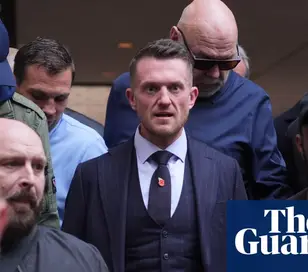
2. Tommy Robinson is found guilty of harassing two Daily Mail journalists and faces up to 10 years in prison
Far-right activist Tommy Robinson, whose real name is Stephen Yaxley-Lennon, was found guilty at Southwark crown court on Wednesday of harassing two journalists to the point that it caused them fear of violence, The Guardian reported. He faces up to 10 years in prison. The jury deliberated for two days and was directed that it could return a majority verdict.
The charges related to Daily Mail journalists Andrew Young and Jacob Dirnhuber, who worked on an article about his alleged role in influencing unrest after the 2024 Southport murders. The court heard he shared pictures of the family of one journalist online, said he had “tagged and bagged” the reporters and told the paper’s editor he would make them and their families “famous”. Dirnhuber and his partner left their home, while Young’s family were given a close protection officer. Journalists were escorted from court after one was threatened by a supporter, who was removed. Robinson had said before the trial that his legal bills were being paid by Elon Musk. The Times and The Sun both led on the “bully-boy” tactics described by prosecutors.
How it was framed
- The Guardian (UK, commercial) · Tommy Robinson faces up to 10 years in jail after being found guilty of harassing journalists. Focus 8: Puts the verdict and possible sentence first, then sets out the evidence and the threat in court, adding background on his past and Musk’s funding.
- Sky News (UK, commercial) · Tommy Robinson guilty of harassing two journalists. Focus 9: A plain statement of the verdict and the charges, with no loaded language and the details left to the report (headline and summary).
- BBC (UK, public-service) · Tommy Robinson guilty of harassing Daily Mail journalists. Focus 9: Names the verdict and whose journalists were targeted, keeping tightly to the court outcome without commentary (headline and summary).
- The Times (UK, commercial) · Tommy Robinson guilty of using ‘bully-boy tactics’ to harass journalists. Focus 7: Leads with the prosecution’s phrase about his tactics, a more vivid framing that still stays on the court case (headline and summary).
- The Sun (UK, tabloid) · Tommy Robinson GUILTY of using ‘bullyboy, intimidatory tactics’ to threaten journalists and force them to leave home. Focus 6: Uses capitals and the prosecution’s language for impact, focusing on the journalists leaving home rather than the legal detail (headline and summary).
- Daily Mirror (UK, tabloid) · Tommy Robinson found guilty of harassing two Daily Mail journalists using ‘bully-boy tactics’. Focus 7: Combines the verdict with the prosecution’s description of his tactics, a factual headline with an emotive quote (headline and summary).
- New York Times (US, commercial) · Tommy Robinson Found Guilty of Harassing 2 UK Journalists. Focus 9: A short, neutral account of the verdict for overseas readers, with no added political framing of his activism (headline and summary).
- Washington Post (US, commercial) · Yaxley-Lennon, better known as Tommy Robinson, found guilty of harassing British journalists. Focus 9: Leads with his legal name and the verdict, a careful wire-style framing that keeps to the facts of the case (headline and summary).
- Arab News (Saudi, commercial) · UK anti-Islam activist Robinson convicted of harassing two journalists. Focus 7: Describes him first as an anti-Islam activist, an identity label for its readers, then states the conviction plainly (headline and summary).
- ABC Australia (Australia, public) · Far-right activist Tommy Robinson found guilty of harassing journalists. Focus 8: Labels him far-right and reports the verdict, a short factual framing for an Australian audience without further comment (headline and summary).
Neutrality: 7/10.
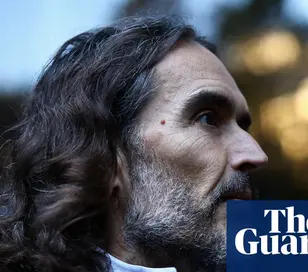
3. Russell Brand tells his rape trial it was wrong to use his fame for sex but insists all his encounters were consensual
Russell Brand spent more than four hours in the witness box at Southwark crown court on Wednesday, The Guardian reported. He denies three counts of rape, three counts of sexual assault and one charge of attempted indecent assault. Six women allege that the comedian switched suddenly after appearing charming and forced them into sexual activity in places including a toilet, a hotel room, workplace corridors and his bedroom.
Brand told jurors he had an “obsession” with sex when he was younger and had dedicated much of his life to what “seems now beyond-reckless philandering and idiocy”, but he denied setting himself a goal of sleeping with 5,000 women, as a former friend had told the trial. He said he now believed it was wrong to have used his fame to facilitate sex. The BBC reported he told the court that consent was “fundamental”, and that he had told police he never had non-consensual sex. The Mirror said he told the court he had been unable to persuade a single person to testify on his behalf, and Reuters and NBC News reported he said friends had abandoned him after the allegations. The trial continues.
How it was framed
- The Guardian (UK, commercial) · From sex ‘obsession’ to losing friends, key takeaways from Russell Brand’s testimony at trial. Focus 8: Sets out the charges and the allegations, then summarises his evidence theme by theme with direct quotes, keeping both sides’ accounts in view.
- BBC (UK, public-service) · Russell Brand tells trial sexual consent is ‘fundamental’. Focus 8: Leads on his core defence in his own words, a restrained framing that keeps to what he told the jury (headline and summary).
- Daily Mail (UK, commercial) · Russell Brand begs jurors for ‘forgiveness’ in rape trial as he says he dedicated his life to ‘beyond reckless philandering’. Focus 5: Chooses emotive wording such as begging for forgiveness, foregrounding the drama of his testimony over the charges he denies (headline and summary).
- Daily Mirror (UK, tabloid) · Russell Brand says he was unable to persuade a ‘single person’ to testify on his behalf at rape trial. Focus 6: Picks out his isolation as the angle, a personal framing that gives less room to the allegations and his denials (headline and summary).
- The Sun (UK, tabloid) · Russell Brand tells ‘rape’ trial he ‘misused fame for reckless philandering’, but claims it was ‘always consensual’. Focus 5: Puts rape in quotation marks and leads on his admissions about his past, a tabloid framing that blends confession and denial (headline and summary).
- The Telegraph (UK, commercial) · Russell Brand told police: I was promiscuous but never forced myself on anyone. Focus 7: Focuses on his police interview account, giving his denial prominence in a fairly straightforward courtroom framing (headline and summary).
- NBC News (US, commercial) · Russell Brand says friends abandoned him after ‘devastating’ sex crime allegations. Focus 6: Centres his account of personal loss, a sympathetic angle that gives less space to the charges and the complainants (headline and summary).
- Washington Post (US, commercial) · Russell Brand denies all charges as he takes the stand at his rape and sex assault trial. Focus 9: States plainly that he denies all charges and is giving evidence, a neutral wire framing with no emotive language (headline and summary).
- France 24 (France, state-funded) · UK comedian Brand tells rape trial ‘consent is fundamental’. Focus 8: Uses his own words on consent as the headline, a short factual framing for an international audience (headline and summary).
- ABC Australia (Australia, public) · Russell Brand tells jury friends won’t defend him over sex crime allegations. Focus 6: Leads on friends declining to defend him, a personal angle on his testimony rather than the substance of the charges (headline and summary).
Neutrality: 6/10.
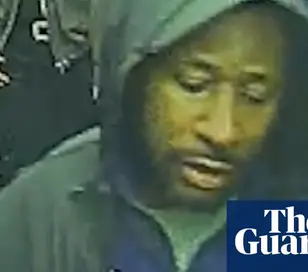
4. A man accused of stabbing 10 people on a London-bound train asked a passenger “do you want to die?”, his trial hears
Anthony Williams, 33, is accused of attempting to murder 10 passengers and staff on an LNER train on 1 November last year and of stabbing four people in the 24 hours before, The Guardian reported from Cambridge crown court. Prosecutor Christopher Paxton KC told jurors on Wednesday that the defendant “caused terror and fear on an unimaginable scale, moving up and down a busy train from which there was no escape”.
The jury was shown CCTV of passenger Stephen Crean trying to wrestle the knife away, and the prosecution said Williams asked him: “Do you want to die?” Paxton said this was clear evidence of an intention to kill. Passengers ran for their lives and hid in toilets, store cabinets and under seats, jurors heard. The prosecutor praised the “extraordinary bravery” of those who tried to take the knife, including Scott Green, who was stabbed, and crew member Samir Zitouni, who was stabbed several times as he tried to stop the attacker with a frying pan. The driver made an emergency stop at Huntingdon. The Telegraph and the Mirror led on passengers fighting back, while the Daily Mail used footage of passengers fleeing. The trial continues.
How it was framed
- The Guardian (UK, commercial) · Knifeman on LNER train ‘caused terror and fear on unimaginable scale’, court hears. Focus 8: Leads with the prosecution’s opening words, then sets out the charges, CCTV evidence and bravery of passengers in careful courtroom language.
- Sky News (UK, commercial) · Man who stabbed 10 on London-bound train asked passenger ‘do you want to die?’, court hears. Focus 7: Leads with the most dramatic line of evidence; its headline states the stabbing as fact while the case is still being tried (headline and summary).
- BBC (UK, public-service) · Huntingdon train attacker ‘asked man do you want to die?’. Focus 7: Puts the alleged question at the centre with quotation marks, a vivid but attributed framing of the first day of evidence (headline and summary).
- The Times (UK, commercial) · Train knifeman asked passenger if he wanted to die, court told. Focus 7: Attributes the account to the court and keeps to the opening evidence, though the wording presents the attacker label plainly (headline and summary).
- The Telegraph (UK, commercial) · Huntingdon train attack passengers ‘fought knifeman with frying pans’. Focus 6: Focuses on passengers fighting back, a human courage angle that puts the defendant and the charges in the background (headline and summary).
- Daily Mail (UK, commercial) · Terrifying moment Huntington train passengers flee for their lives as ‘knifeman rampages through carriages’. Focus 4: Leans on emotive footage and words like terrifying and rampage, prioritising drama over the legal process (headline and summary).
- Daily Mirror (UK, tabloid) · Huntingdon train attack passengers ‘fought knifeman with frying pan and tried to grab blade’. Focus 6: Highlights passenger heroism with vivid detail, leaving the charges and the defendant’s case largely out of the headline (headline and summary).
Neutrality: 8/10.
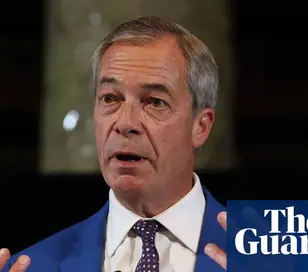
5. Nigel Farage says he skipped the Budget to avoid a “physical altercation” with another MP in a row over seats
Reform UK leader Nigel Farage was not in the Commons for the chancellor’s first Budget, saying he feared a “physical altercation” with another MP in a row over seating, The Guardian reported. He said another MP had removed the green prayer card he had used to reserve a seat, and that he had been involved in a physical altercation with an MP in the chamber at the state opening of parliament, which he had not complained about.
“Sometimes, it’s better to avoid conflict,” he said, adding that his second reason was that he had gone through the Budget line by line with economists in his office. A House of Commons spokesperson said a prayer card on a seat did not display a valid date stamp and was removed in line with usual chamber protocol. At a press conference with Robert Jenrick, his party’s Treasury spokesperson, Farage said he was “shocked” by the £10bn going to support Ukraine, doubled down on Reform’s plan to cut tax for crypto investors and suggested the Budget’s small giveaways pointed to a general election in May next year. The Mirror, the Independent, the Telegraph, the Express and Metro all carried his explanation.
How it was framed
- The Guardian (UK, commercial) · Nigel Farage skips budget in Commons over seating ‘altercation’ concerns. Focus 8: Gives his explanation, then the Commons statement that the card lacked a valid stamp, and covers his Budget response on Ukraine and crypto tax.
- Daily Mirror (UK, tabloid) · Nigel Farage claims he skipped Budget to avoid ‘physical altercation’ with MP. Focus 7: Uses ‘claims’ to attribute his account, a slightly sceptical but factual framing of why he was absent (headline and summary).
- Daily Express (UK, tabloid) · Nigel Farage misses Budget after being involved in ‘physical altercation’ in Commons. Focus 5: Its headline suggests an altercation happened on Budget day, when he described an earlier incident, blurring the facts (headline and summary).
- The Telegraph (UK, commercial) · Farage: I skipped Budget to avoid physical altercation. Focus 7: Lets Farage speak in his own words, a direct quote headline that keeps the story to his explanation (headline and summary).
- Independent (UK, commercial) · Nigel Farage says he skipped Budget to avoid ‘physical altercation’. Focus 8: Attributes the explanation clearly to Farage and adds no judgement, a plain report of what he said (headline and summary).
- Metro (UK, tabloid) · Nigel Farage says he got into a ‘physical altercation’ with another MP in May. Focus 7: Focuses on his admission of the earlier incident in May rather than the Budget absence, a narrower but factual angle (headline and summary).
Neutrality: 6/10.
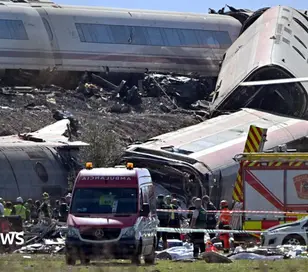
6. A high-speed train crash in central Spain kills at least 68 people, with the transport minister blaming a computer failure and an “inexplicable” control centre decision
A high-speed train travelling from Madrid to Seville crashed into a stationary train on Wednesday morning, killing at least 68 people and injuring dozens more, the BBC reported. Several carriages fell down an embankment. It is Spain’s deadliest train disaster in 13 years and one of the worst in Europe’s modern history.
The crash happened just after 09:00 local time, about 140km south of Madrid between Mora and Orgaz. Transport Minister Óscar Puente said the stationary train, run by private operator Iryo with 147 passengers on board, had stopped because of a computer failure, and a 24-hour control centre in Madrid then made an “inexplicable” decision to instruct trains to move again without speed restrictions. Iryo said its train was “struck from behind” by a Renfe train carrying 397 passengers. Survivors described being thrown into the air and breaking windows to escape, and one carriage caught fire. Prime Minister Pedro Sánchez declared three days of mourning, DW reported. Al Jazeera said riot police were deployed in Madrid as protests broke out, and France 24 noted it was Spain’s second fatal high-speed crash this year.
How it was framed
- BBC (UK, public-service) · High-speed train crash kills at least 68 people in Spain. Focus 9: Puts the death toll and sequence of events first, then the minister’s explanation and survivors’ accounts, keeping to official statements and witnesses.
- The Guardian (UK, commercial) · Spain begins mourning period after deadly train crash. Focus 8: Leads on the national mourning and follows with survivors’ accounts and questions about the rail network after a second fatal collision (headline and summary).
- DW (Germany, public) · Spanish train crash leaves 68 dead, PM Sanchez declares 3 days of mourning. Focus 9: Pairs the official death toll with the government’s response, a tight factual framing with no added commentary (headline and summary).
- France 24 (France, state-funded) · ‘Desolation, despair’: Spain begins three days of mourning after deadly train crash. Focus 7: Opens with emotive quotes about the mood before the facts, then raises rail safety questions after a second crash this year (headline and summary).
- Al Jazeera (Qatar, state-funded) · Riot police deployed in Madrid as protests erupt over deadly train crash. Focus 6: Leads on public anger and the police response rather than the crash itself, putting the political fallout ahead of the cause (headline and summary).
- RT (Russia, state) · Fury erupts outside Spanish Transport Ministry after train disaster (VIDEOS). Focus 5: Centres anger at the government and video of protests, a framing that stresses official failure over the details of the crash (headline and summary).
- CBS News (US, commercial) · High-speed train crash in Spain kills at least 68, dozens injured. Focus 9: A plain factual headline with the casualty figures and the officials’ account, without speculation about blame (headline and summary).
- Fox News (US, commercial) · Officials pinpoint cause of high-speed crash that killed at least 68. Focus 8: Focuses on the cause identified by officials, an explanatory framing that stays on reported facts (headline and summary).
- New York Times (US, commercial) · ‘A Twisted Tangle of Metal and Wreckage’: Spain Train Crash Kills at Least 68. Focus 7: Opens with a vivid witness description before the toll, a scene-led framing that still reports the core facts (headline and summary).
- CGTN (China, state) · Two deadly crashes in nine months: What’s happening to Spain’s high-speed rail? Focus 7: Steps back to ask about rail safety across two crashes, an analytical angle that puts the system ahead of the victims (headline and summary).
- Daily Mirror (UK, tabloid) · Horrors of Spain train crash emerge: ‘I saw a man walking with a severed arm’. Focus 4: Leads on a graphic survivor quote, an emotive framing that prioritises shock over the explanation of the crash (headline and summary).
- Times of Israel (Israel, commercial) · At least 64 killed as high-speed trains collide in central Spain. Focus 8: An early, factual report of the collision and toll, with no commentary on causes or blame (headline and summary).
Neutrality: 8/10.
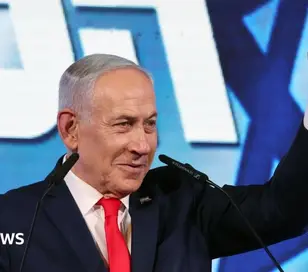
7. Netanyahu’s bloc leads Israel’s election count but falls short of a majority, as police dismiss Likud claims of fraud by Arab parties
With 85% of ballots counted, Benjamin Netanyahu’s Likud and its far-right and ultra-Orthodox allies were on track for 53 seats in the 120-seat Knesset, against 48 for former military chief Gadi Eisenkot’s Yashar party and three other Jewish opposition parties, the BBC reported. Both leaders say they will try to form a coalition.
Arab-led parties are on course for an unprecedented 19 seats and could become kingmakers, though all but one of the Jewish parties have pledged not to work with them. Between 430,000 and 480,000 absentee ballots, including from soldiers and diplomats, were still to be counted, and final results could take a day or two. President Isaac Herzog will then consult the factions and invite the leader most likely to succeed to form a government, a process that could take weeks; failure would mean another election. Herzog praised a 77.7% turnout, the highest in more than two decades. The Times of Israel and RT reported that police dismissed a Likud claim that Arab parties had committed election fraud, while the Mirror and Telegraph led on Netanyahu saying the election had been “stolen”.
How it was framed
- BBC (UK, public-service) · Netanyahu’s bloc leading Israel election but short of majority, partial results show. Focus 9: Leads on the seat projections and what happens next, explaining the coalition process and absentee count without taking sides.
- The Guardian (UK, commercial) · Coalition talks loom in Israel as Netanyahu and Eisenkot blocs set to fall short of majority. Focus 8: Frames the result around the coming coalition talks, balancing both blocs, though its editorial argues Netanyahu has lost his mandate (headline and summary).
- Times of Israel (Israel, commercial) · Police dismiss Likud claim of election fraud by Arab parties; ‘double envelope’ vote count underway. Focus 8: Puts the police rejection of the fraud claim and the remaining count first, a factual framing focused on the process (headline and summary).
- Al Jazeera (Qatar, state-funded) · No clear winner in Israel election with nearly 90 percent of votes counted. Focus 8: States the deadlock and count progress plainly, while its wider coverage stays on settler violence in the West Bank (headline and summary).
- DW (Germany, public) · Israel election: Netanyahu-led bloc holds lead with nearly 90% of votes counted. Focus 9: A concise numbers-first headline on the leading bloc and the progress of the count, with no added interpretation or comment (headline and summary).
- CBS News (US, commercial) · What’s next as Israel sees no clear winner with 88% of votes counted. Focus 8: Looks ahead to the next steps for forming a government, an explanatory framing that stays on process (headline and summary).
- RT (Russia, state) · Netanyahu’s Israel deadlocked: were the elections ‘stolen by the Arabs’? Focus 4: Builds its framing around Likud’s fraud claim as a question, giving prominence to a claim police have rejected (headline and summary).
- Daily Mirror (UK, tabloid) · Netanyahu says Israel’s election ‘stolen’ by Arab groups in claim straight from Trump playbook. Focus 4: Leads on the fraud claim and compares it to Trump, a personality-driven framing that sidelines the count itself (headline and summary).
- The Telegraph (UK, commercial) · Netanyahu: Arab parties have ‘stolen’ election. Focus 5: Gives Netanyahu’s claim as the headline in his own words, without the rejection by police, a politically charged framing (headline and summary).
- Fox News (US, commercial) · Netanyahu defies exit polls as vote shifts in his favor, but majority remains elusive. Focus 6: Frames the count as a comeback for Netanyahu, a personality-led angle that still notes he lacks a majority (headline and summary).
- Arab News (Saudi, commercial) · Netanyahu falls short of majority as opposition, Arab parties win 67 seats. Focus 7: Groups the opposition and Arab parties together to stress Netanyahu’s shortfall, a framing that favours the anti-Netanyahu arithmetic (headline and summary).
- Tehran Times (Iran, government-linked) · Knesset stalemate plunges Israel into political paralysis. Focus 4: Frames the result as paralysis, a negative characterisation of Israel’s politics that offers little detail on the count (headline and summary).
Neutrality: 5/10.
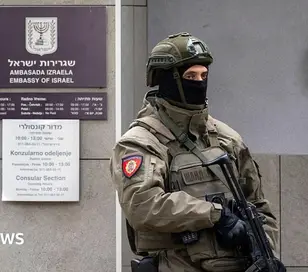
8. Serbian police shoot dead a teenage knife attacker outside the Israeli embassy in Belgrade in what officials call a terrorist attack
Serbian police shot dead a young man outside the Israeli embassy in Belgrade in the early hours of Wednesday, after what authorities called a “terrorist attack”, the BBC reported. Interior Minister Ivica Dačić said the attacker rushed at a police officer with two knives while shouting “Allahu Akbar”. The officer suffered a minor knife wound to the face and shot the attacker.
Dačić said the suspect, who has not been named, was a minor and a Serbian citizen being monitored by security services as a known supporter of the Islamic State group, and had posted a picture of the IS flag on Instagram. He raised the national terrorism threat level to “red alert”, the highest level, bringing stricter security checks and more police at infrastructure and crowded places. The injured officer did not need hospital care. Israel’s foreign ministry said no embassy staff were hurt and the mission was closed at the time. The BBC noted it was the second attack on the embassy in less than three years, after a man shot a police officer with a crossbow in June 2024. The Times of Israel described the attacker as a knife-wielding minor.
How it was framed
- BBC (UK, public-service) · Serbian shot dead after attacking officer outside Israeli embassy, minister says. Focus 9: Attributes each detail to the minister, then covers the raised threat level and the earlier 2024 attack, with no added interpretation.
- Sky News (UK, commercial) · Knife attacker shot dead by police outside Israeli embassy. Focus 9: A plain factual headline on what happened and where, leaving motive and threat level to the report (headline and summary).
- New York Times (US, commercial) · Knife-Wielding Attacker Fatally Shot Outside Israeli Embassy in Serbia. Focus 9: States the event in neutral terms for an international audience, without speculation about motive or the threat level (headline and summary).
- RT (Russia, state) · Knife attacker shot dead outside Israeli Embassy in Belgrade (VIDEO). Focus 8: A short factual headline built around video of the scene, with no political framing of the attack (headline and summary).
- Fox News (US, commercial) · Attacker shouting ‘Allahu Akbar’ killed outside Israeli Embassy in Serbia, police say. Focus 6: Puts the religious phrase first in its headline, an emphasis on motive that goes beyond the basic facts of the attack (headline and summary).
- The Telegraph (UK, commercial) · ‘IS terrorist’ shot dead after knife attack at Israeli embassy in Serbia. Focus 6: Leads with the terrorist label in quotation marks, foregrounding the suspected allegiance ahead of the details of the attack (headline and summary).
- Times of Israel (Israel, commercial) · Knife-wielding minor attacks guard at Israeli embassy in Belgrade, is killed; Serbian FM: ‘Terror attack’. Focus 8: Notes the attacker’s age and attributes the terror label to officials, a careful framing for its readers (headline and summary).
- Ynet (Israel, commercial) · Knife-wielding attacker shot dead outside Israeli Embassy in Belgrade. Focus 9: A direct factual headline on the attack and its outcome, without emotive language or commentary (headline and summary).
- DW (Germany, public) · Serbian police shoot dead assailant at Israeli Embassy. Focus 9: Focuses on the police action in a short neutral headline, leaving motive to the body of the report (headline and summary).
- CGTN (China, state) · Attacker killed outside Israeli embassy in Belgrade. Focus 9: A minimal factual headline on the event and location, with no added framing or comment (headline and summary).
- Al Arabiya (Saudi, commercial) · Serbian police kill attacker outside Israeli embassy. Focus 9: States plainly that police killed the attacker, a neutral framing that keeps to the core event (headline and summary).
- Arab News (Saudi, commercial) · Serbian police say assailant killed after attacking a guard outside the Israeli Embassy in Belgrade. Focus 9: Attributes the account to Serbian police in wire-style language, keeping strictly to what officials said (headline and summary).
Neutrality: 7/10.
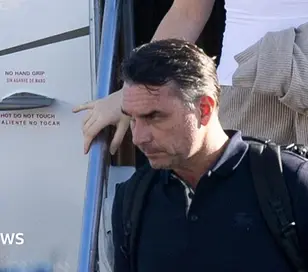
9. Flávio Bolsonaro denies fleeing Brazil and calls himself the country’s leader after landing in Miami with US visas
Brazilian Senator Flávio Bolsonaro, who landed in Miami after losing Sunday’s presidential election, said it was never his intention to “leave my homeland”, the BBC reported. “I did not flee Brazil; I left for the sake of Brazil,” he said in his first statement since leaving.
The US gave visas to him and his family after Brazil cancelled his passports as part of a criminal investigation; he denies any wrongdoing. President Donald Trump told reporters: “We gave him a pass to come into the country.” In a lengthy letter, Bolsonaro thanked the presidents of Argentina and the US, said he had left “a regime of exception so that I could become the leader my people deserve”, called himself a victim of a coup and political persecution, and repeated unsubstantiated allegations of electoral fraud. Trump declined to discuss the allegations but called it “a very strange election”. Re-elected President Luiz Inácio Lula da Silva criticised the secretive exit, saying “those who have nothing to hide have nothing to fear”. The Guardian, DW and France 24 led on his claim to be Brazil’s leader, while Al Jazeera quoted him calling himself the “true president-elect”.
How it was framed
- BBC (UK, public-service) · Flávio Bolsonaro denies fleeing Brazil after landing in Miami. Focus 9: Leads on his own denial, then gives the US visas, Lula’s response and notes his fraud allegations are unsubstantiated, a balanced account.
- The Guardian (UK, commercial) · Flávio Bolsonaro calls himself the ‘leader of Brazil’ after fleeing to Miami. Focus 7: Puts his leadership claim first and describes his departure as fleeing, a framing that stresses defiance (headline and summary).
- Sky News (UK, commercial) · Defiant Bolsonaro breaks silence after fleeing Brazil for the US. Focus 6: Characterises him as defiant and frames the statement as breaking his silence, a personality-led angle over the investigation (headline and summary).
- New York Times (US, commercial) · Flávio Bolsonaro Lands in Miami After Fleeing Brazil. Focus 8: A plain factual headline on his arrival and departure from Brazil, with no comment on his claims or the investigation (headline and summary).
- DW (Germany, public) · Flavio Bolsonaro lands in US, declares himself ‘leader’ of Brazil. Focus 8: Pairs his arrival with his claim in quotation marks, a factual framing that attributes the assertion to him (headline and summary).
- France 24 (France, state-funded) · Flavio Bolsonaro claims he is Brazil’s true leader after fleeing to US. Focus 7: Leads on his claim using ‘claims’, a slightly sceptical but factual framing of his statement (headline and summary).
- Al Jazeera (Qatar, state-funded) · Bolsonaro in Miami: I am the ‘true president-elect’. Focus 6: Gives his strongest claim as the headline in his own words, prominence that leaves out the context of his defeat (headline and summary).
- RT (Russia, state) · WATCH: Trump ally declares himself ‘leader of Brazil’ after fleeing to US. Focus 5: Defines him first as a Trump ally, a political framing that puts US alignment ahead of the Brazilian investigation (headline and summary).
- NBC News (US, commercial) · Brazil’s Flávio Bolsonaro arrives in U.S. after losing election. Focus 9: States the arrival and his election defeat in neutral terms, without his claims or commentary (headline and summary).
- CNN (US, commercial) · Flávio Bolsonaro says he will lead Brazil’s opposition in exile, after landing in US following election defeat. Focus 8: Frames his plans as leading the opposition in exile, an attributed and factual reading of his statement (headline and summary).
- Arab News (Saudi, commercial) · Bolsonaro declares himself the legitimate leader of Brazil after arriving in the US. Focus 7: Reports his claim of legitimacy in a short wire-style headline, giving no context on the investigation (headline and summary).
- ABC Australia (Australia, public) · Flávio Bolsonaro arrives in Miami, declares himself Brazil’s rightful leader. Focus 7: Combines arrival and claim in neutral wording, though the claim takes prominence over his defeat (headline and summary).
Neutrality: 5/10.
10. Africa’s Ebola outbreak passes 10,000 cases as a top health official warns it could reach the UK
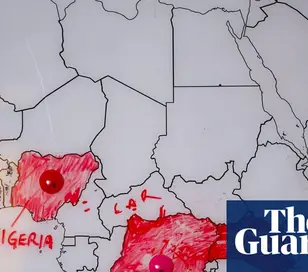
The “unprecedented” spread of the Ebola outbreak means it could reach the UK and other countries, according to Dr Jean Kaseya, director general of the Africa Centres for Disease Control and Prevention, The Guardian reported. The outbreak has reached 10,000 cases, with almost 5,000 deaths.
Kaseya compared it to the Covid pandemic, which spread from China across the world. “We want all countries to know that they are not safe if they don’t take appropriate measures,” he said, urging every continent to raise preparedness and treatment capacity. “It is the first time three African regions have been affected. The geographic extension of this outbreak is unprecedented.” He warned that early in Covid many countries said they faced zero risk but later became hotspots. The outbreak, the 17th in the Democratic Republic of the Congo, is caused by the Bundibugyo virus and is the largest and deadliest in the country’s history, the Guardian said. Sky News, Metro and the Express reported that a nurse treating Ebola patients was killed by a mob, while the New York Times reported that a patient in Nigeria had been evacuated as investigators pressed for answers.
How it was framed
- The Guardian (UK, commercial) · Africa’s ‘unprecedented’ Ebola outbreak could reach UK, says top health official. Focus 7: Leads on the warning to the UK, a domestic angle, then gives detailed figures, the official’s reasoning and background on the virus.
- Sky News (UK, commercial) · Ebola cases in Democratic Republic of Congo surpass 10,000 as nurse treating patients is killed by mob. Focus 8: Pairs the case milestone with the killing of a nurse, a factual framing that combines scale and danger to health workers (headline and summary).
- Independent (UK, commercial) · Deadly Ebola outbreak could reach UK, top health expert warns. Focus 6: Leads on the risk to the UK, a reader-focused framing that puts the warning ahead of the situation in Africa (headline and summary).
- Daily Mirror (UK, tabloid) · Ebola outbreak kills nearly 5,000 as virus spreads beyond Congo and sparks global alarm. Focus 6: Stresses the death toll and global alarm, a dramatic framing that still keeps to reported figures (headline and summary).
- Daily Express (UK, tabloid) · Horror as nurse treating Ebola patients killed by machete-wielding youths. Focus 4: Uses horror and a graphic detail to lead, focusing on one violent incident over the wider outbreak (headline and summary).
- New York Times (US, commercial) · Nigeria’s Ebola Patient Evacuated as Investigators Press for Answers. Focus 8: Follows a single case in Nigeria and the investigation, a narrow but factual angle on the outbreak’s spread (headline and summary).
- Al Jazeera (Qatar, state-funded) · Ebola cases in DR Congo surpass 10,000 in fastest-growing outbreak. Focus 9: Leads on the case count and speed of growth, a figure-led framing with no alarmist language (headline and summary).
- Arab News (Saudi, commercial) · Africa Ebola outbreak passes 10,000 cases, mostly in DR Congo. Focus 9: A plain wire-style headline on the milestone and where cases are concentrated, without commentary or alarm (headline and summary).
- ABC Australia (Australia, public) · Ebola outbreak passes 10,000 cases in DRC after nurse killed, another injured. Focus 8: Combines the case milestone with the attack on health workers, a factual framing with little emotive wording (headline and summary).
Neutrality: 7/10.
11. A federal judge rejects the Trump administration’s bid to make California set aside 20,000 ballots it claimed were cast by non-citizens
US District Judge David Carter declined to order California election officials to segregate and not count ballots from people the Trump administration claimed were non-citizens, The Guardian reported. About two weeks earlier, the Justice Department had given officials in Los Angeles and Sacramento a USB drive it said contained 20,000 names of non-citizens on the voter rolls, gave them 48 hours to review it and threatened to sue. California has more than 23 million registered voters, and non-citizen voting is extremely rare.
“Never before in American history has the federal government, on the eve of an election, sought to coerce a state and local government to abandon their own Constitutional elections procedures,” Carter wrote. CNN reported the judge warned the move would “wreak havoc”, and NBC News and CBS News led their homepages with the ruling.
How it was framed
- The Guardian (UK, commercial) · Judge rebuffs Trump DoJ’s bid to force California to set aside 20,000 ballots. Focus 6: Sets out the ruling with long quotes from the judge but describes the request as legally thin and designed to cast doubt, adding its own judgement.
- New York Times (US, commercial) · Judge Rejects Trump Officials’ Bid to Set Aside California Ballots. Focus 9: A plain factual headline on the ruling and what was sought, without characterising the administration’s motives (headline and summary).
- CBS News (US, commercial) · Judge rejects DOJ’s push to force California to set aside ballots. Focus 9: States the outcome and the request in neutral terms, keeping the story to the court decision (headline and summary).
- CNN (US, commercial) · Federal judge warns Trump administration’s bid to set aside 20,000 California mail ballots would ‘wreak havoc’. Focus 7: Leads on the judge’s warning of disruption, a framing that foregrounds the strongest criticism of the bid (headline and summary).
- Al Jazeera (Qatar, state-funded) · Judge rejects Trump effort to block California ‘noncitizen’ ballots. Focus 7: Puts noncitizen in quotation marks to signal doubt about the claim, a short factual report with a sceptical edge (headline and summary).
Neutrality: 6/10.
12. Obama and Trump trade barbs at duelling rallies in the final week of the midterm campaign, as the Cheesecake Factory row rolls on
Barack Obama offered a closing argument for Democrats at a rally in suburban Atlanta on Wednesday, telling a crowd of 3,500 to 4,000: “These are not serious people,” of Donald Trump and the Republican party, The Guardian reported. He was campaigning for Senator Jon Ossoff and gubernatorial hopeful Keisha Lance Bottoms ahead of next week’s election.
Obama again mocked Trump’s reaction to his joke likening the White House renovations to Saddam Hussein decorating a Cheesecake Factory. “They mobilized a whole government response to that joke,” he said, adding that the White House had even called the treasury secretary. Trump rallied in Ohio, the New York Times reported, and CBS News said Trump replied that Obama “wouldn’t understand” the renovations. NBC News said Trump’s final campaign swing was taking on a darker tone.
How it was framed
- The Guardian (UK, commercial) · ‘They mobilized a whole government response to that joke’: Obama laughs off Trump attacks in rally for Ossoff. Focus 6: Leads with Obama’s mockery and gives his criticism most of the space, a framing that follows the personalities more than the policy stakes.
- CBS News (US, commercial) · Obama and Trump hold dueling rallies as midterm campaigns make final pitch. Focus 8: Treats both campaigns evenly and frames the rallies as closing pitches to voters, without picking out the jibes (headline and summary).
- CNN (US, commercial) · Obama and Trump’s Cheesecake Factory feud continues at dueling campaign events. Focus 4: Leads on the restaurant feud, putting a personal spat ahead of the issues in the closing week of the campaign (headline and summary).
- Fox News (US, commercial) · Obama doubles down on Cheesecake Factory Trump jab, mocks Bessent’s lunch. Focus 4: Frames Obama as the aggressor and focuses on the jibe about the treasury secretary, a personality-driven angle (headline and summary).
- New York Times (US, commercial) · Obama Campaigns in Georgia as Trump Rallies in Ohio. Focus 9: A neutral headline on where each man campaigned that day, with no emphasis on the insults traded between them (headline and summary).
- Al Jazeera (Qatar, state-funded) · US midterms: Six days left, who leads in the polls as Trump, Obama rally. Focus 8: Ties the rallies to the polls and the countdown, a data-led framing for international readers (headline and summary).
- Daily Mail (UK, commercial) · Obama mocks Trump for ‘mobilizing whole government’ to respond to his Cheesecake Factory joke: ‘He was very upset’. Focus 4: Leads on the mockery and Trump’s reaction, a personality framing that leaves the election itself in the background (headline and summary).
Neutrality: 6/10.
13. Iran weighs a new Qatari peace proposal as Vance reaches out to a top Iranian official to restart talks
Qatari mediators said they had presented Iran with a new draft deal to end the war, CBS News reported, and Iran’s foreign minister said on Wednesday that the country “continues to give diplomacy a chance to succeed”, after Reuters reported Tehran had rejected the latest proposal as containing “unacceptable” ideas. CBS said the war had cost the US military at least $47.1bn by mid-October, according to a Central Command estimate.
The New York Times reported that Vice President JD Vance had proposed restarting peace talks in outreach to an Iranian official, and Al Jazeera led on Donald Trump saying he approved Vance’s outreach over “medical supplies”. TASS, citing Axios, said mediators had proposed that Iran allow UN inspectors back to its nuclear sites. PressTV reported Iran warned Qatar over its “prove goodwill” comments.
How it was framed
- CBS News (US, commercial) · Qatari mediators hand Iran new proposal to end the war. Focus 9: Leads on the new proposal and Iran’s response, with the war’s cost from official estimates, keeping to sourced developments.
- New York Times (US, commercial) · Vance Proposes Restarting Peace Talks in Outreach to Iranian Official. Focus 8: Focuses on the US diplomatic move, a factual framing centred on Washington’s initiative rather than Iran’s response (headline and summary).
- Al Jazeera (Qatar, state-funded) · Trump says he approved Vance’s outreach to Iran over ‘medical supplies’. Focus 7: Leads on Trump’s explanation of the outreach in quotation marks, a framing that hints at doubt about the stated purpose (headline and summary).
- Times of Israel (Israel, commercial) · Vance reportedly contacted top Iran security official in bid to restart peace talks. Focus 8: Attributes the contact to reports and keeps to the diplomatic facts, without comment on Israel’s position (headline and summary).
- CGTN (China, state) · Vance contacts Iranian security chief to restart peace talks. Focus 8: A plain factual headline on the outreach and its aim, with no commentary on either side’s demands (headline and summary).
- PressTV (Iran, state-run) · Iran warns Qatar after Doha’s ‘prove goodwill’ comments. Focus 4: Frames the mediation through Iran’s grievance with Qatar, putting Tehran’s position first and giving no space to the proposal itself (headline and summary).
- IRNA (Iran, state) · Araghchi: Iran continues to maintain close and ongoing contact with intermediaries to allow space for diplomacy. Focus 6: Gives the foreign minister’s line on diplomacy as the whole story, an official framing that omits the reported rejection (headline and summary).
- TASS (Russia, state) · Mediators propose that Iran allows UN inspectors to return to its nuke sites, Axios. Focus 8: Picks out a single reported term of the proposal and attributes it clearly, a narrow but factual framing (headline and summary).
Neutrality: 5/10.
14. Personal details of more than 40,000 US homeland security staff, including immigration agents, are leaked online
Details of more than 41,000 people working for the US Department of Homeland Security, including thousands involved in immigration enforcement, have been leaked to the public, the BBC reported. The leak includes names, work addresses and phone numbers of staff at agencies including Immigration and Customs Enforcement and Customs and Border Protection, with descriptions of their work.
A group called the Department of Peace obtained the information, the BBC said, and it was put online by journalist and researcher maia crimew with the website Distributed Denial of Secrets in a database named Icepick. More than 21,000 of those listed work for CBP and nearly 6,600 for ICE. A DHS spokesperson said the agency was “aware of a potential breach” and working to address it. It was the third time in recent weeks a government agency had been targeted by leaks or hacks.
How it was framed
- BBC (UK, public-service) · Details of thousands of US immigration agents leaked in major hack. Focus 8: Sets out what was leaked, by whom and how many staff are affected, with the department’s response and little commentary.
- The Guardian (UK, commercial) · Non-profit group leaks data of more than 40,000 homeland security workers. Focus 8: Puts the group responsible and the scale first, a factual framing that avoids loaded language (headline and summary).
- Fox News (US, commercial) · DHS investigates massive data breach exposing 40,000 employees, including ICE and Border Patrol agents. Focus 7: Stresses the risk to ICE and Border Patrol agents and the investigation, a framing centred on agents’ safety (headline and summary).
- NBC News (US, commercial) · DHS hack exposes 40,000 employee names and undercover ICE agents, activists say. Focus 8: Attributes the claim about undercover agents to activists, a careful framing that keeps to sourced details (headline and summary).
- Washington Post (US, commercial) · Hackers identify thousands of DHS employees in massive data breach. Focus 8: A direct factual headline on the breach and its scale, without comment on motive or on those who carried it out (headline and summary).
- DW (Germany, public) · US: Department of Homeland Security data leak exposes details of more than 40,000 employees. Focus 9: A plain numbers-led headline on the leak and those affected for international readers, with no added framing (headline and summary).
Neutrality: 5/10.
15. North Korea fires around 10 short-range ballistic missiles into the sea as tensions with the South rise
North Korea fired around 10 short-range ballistic missiles towards the sea off its east coast on Thursday, South Korea’s military said, DW reported. They were launched at about 12:30 local time from near Wonsan, according to the Joint Chiefs of Staff, and Japan’s Defence Ministry said they fell outside its Exclusive Economic Zone.
Pyongyang has tested missiles on more than 10 occasions this year, most recently on 12 October. The launch came amid a border dispute: three South Korean soldiers were wounded by landmines in the Demilitarised Zone in September, and a joint South Korean and UN investigation concluded North Korea had planted them, which Pyongyang denies. France 24 said “around a dozen” missiles were fired, and the Washington Post linked the barrage to rising tensions with the South.
How it was framed
- DW (Germany, public) · North Korea fires around 10 ballistic missiles into sea. Focus 9: Reports the launch from South Korean and Japanese official statements and gives background on the landmine dispute, keeping commentary out.
- NBC News (US, commercial) · North Korea fires around 10 ballistic missiles toward sea off east coast, Seoul says. Focus 9: Attributes the launch to Seoul and states the number and location plainly, without speculation on intent (headline and summary).
- Washington Post (US, commercial) · North Korea fires missile barrage toward the sea as tensions with South rise. Focus 8: Links the launch to rising tensions with the South, a context-led framing that stays factual (headline and summary).
- France 24 (France, state-funded) · North Korea fires ‘around a dozen’ ballistic missiles into East Sea. Focus 8: Gives a slightly higher count in quotation marks and uses the Korean name for the sea, otherwise a neutral report (headline and summary).
- Independent (UK, commercial) · North Korea fires suspected ballistic missile towards sea, officials say. Focus 8: An early report attributing the launch to officials, with cautious wording on what was fired (headline and summary).
Neutrality: 8/10.