Edition
3 November 2026

UK
| Story | UK prominence | Neutrality | Lead story at | Top 3 at |
|---|---|---|---|---|
| Mahmood eases settlement plans for care workers | 9 | 4 | Daily Mail | Daily Mirror, Independent |
| PM opens talks on slavery apology at summit | 8 | 5 | None (widely carried) | BBC, Independent |
| NCSC warns of AI attacks on UK infrastructure | 7 | 5 | Sky News | The Guardian, The Times, The Sun, Independent |
| Supermarket freezers hacked across Europe | 7 | 7 | None (widely carried) | The Telegraph, The Times |
| UK troops could fire back in Ukraine mission | 7 | 7 | None (widely carried) | Sky News |
World
| Story | World prominence | Neutrality | Lead at | UK pickup |
|---|---|---|---|---|
| US strikes Iran’s Qeshm Island | 10 | 5 | Al Jazeera | BBC, Sky News, The Guardian, Daily Mail, Daily Mirror |
| Americans vote in pivotal midterms | 10 | 5 | CBS News, ABC News, France 24, DW | BBC, The Guardian, The Times, The Telegraph, Independent |
| Russian bombs kill 26 at Ukraine aid centre | 8 | 8 | New York Times | BBC, The Guardian, The Sun |
| Supreme Court rejects Trump on California ballots | 8 | 7 | ABC News | BBC, The Guardian, Independent |
| North Korea denies Binance hack | 6 | 6 | None (widely carried) | BBC, Independent |
What the world is leading with
The stories leading foreign news today that weren’t already in our UK or World lists, and how much attention UK outlets gave them.
| Story | World prominence | UK attention | Neutrality | Lead story at | UK coverage at |
|---|---|---|---|---|---|
| Cyclone Murasu hits India’s east coast | 2 | 2 | 8 | DW | Independent |
| Australia raises rates to 18-year high | 2 | 2 | 7 | ABC Australia | The Guardian |
| Arab parties back Eisenkot in Israel | 1 | 3 | 4 | None | The Guardian, The Times, The Telegraph |
| First New York measles death in 30 years | 1 | 2 | 8 | None | The Guardian, Independent |
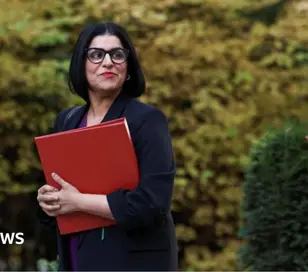
1. Shabana Mahmood drops plans to make care workers wait up to 15 years to settle in the UK, but most migrants will still face a 10-year wait
Home Secretary Shabana Mahmood has scrapped plans to make foreign care workers already in the UK wait up to 15 years to qualify for permanent settlement, the BBC reported. Under the revised policy, care workers who earn at least £25,000 a year and arrived before May 2025 will continue to qualify for indefinite leave to remain after five years. Mahmood had proposed doubling the standard wait from five years to 10 for most migrants.
The Guardian reported that the climbdown followed a cabinet backlash and pressure from health unions, but that most of the new rules remain. The wait for those earning under £50,000 will double to 10 years, and people who arrived by irregular means such as small boats could face up to 30 years. Mahmood told the Commons that settlement “must be earned”.
Asked by the BBC whether she had made a U-turn, Mahmood said “I don’t accept that”, adding that some 500,000 people “will not now settle at five years”. She declined to say what the change would cost. The Conservatives said it would cost taxpayers billions of pounds, Reform UK leader Nigel Farage called it “the beginning of the capitulation”, and some Labour MPs and the Law Society criticised the retrospective nature of the remaining changes.
How it was framed
- BBC (UK, public-service) · Mahmood scraps settlement plans for migrant care workers. Focus 8: Leads on the care worker change, then sets out the cost figures and Mahmood’s denial of a U-turn, a factual policy framing that keeps party attacks in proportion.
- The Guardian (UK, commercial) · Shabana Mahmood softens immigration plans in face of cabinet backlash. Focus 7: Puts the cabinet backlash first but explains the remaining 10-year and 30-year rules in detail, with critics from Labour benches and the Law Society given room.
- Daily Mail (UK, commercial) · Mahmood’s ‘£10bn migrant climbdown’: Home Secretary abandons tougher residency rules after backbench revolt. Focus 3: Frames the change as a costly climbdown forced by a backbench revolt, foregrounding the £10bn figure and saying little about the stricter rules that still apply (headline and summary).
- Daily Mirror (UK, tabloid) · Victory for care workers as Shabana Mahmood unveils biggest migration overhaul in a generation. Focus 4: Presents the announcement as a victory for care workers and a sweeping overhaul, a sympathetic framing that plays down the longer waits facing other migrants (headline and summary).
- Independent (UK, commercial) · Labour accused of persisting with ‘unfair’ immigration crackdown despite care worker exemption. Focus 5: Leads on accusations that the crackdown remains unfair despite the exemption, a framing centred on critics of the retrospective rules rather than the policy detail (headline and summary).
- The Telegraph (UK, commercial) · Care workers to be treated like doctors under Mahmood migration plans. Focus 5: Focuses on care workers gaining the same treatment as doctors, a comparison that highlights the concession and invites readers to question it (headline and summary).
- The Sun (UK, tabloid) · Shabana Mahmood forced into humiliating climbdown on her immigration crackdown. Focus 3: Calls the change a humiliating climbdown, a personality-led framing about the home secretary’s standing rather than what the new rules mean (headline and summary).
- Daily Express (UK, tabloid) · Labour chaos as Shabana Mahmood forced to U-turn in bitter migration row. Focus 3: Frames the announcement as Labour chaos and a forced U-turn, putting party turmoil ahead of the substance of the settlement rules (headline and summary).
- The Times (UK, commercial) · Shabana Mahmood told skilled migrants ‘contribute more than they cost’. Focus 6: Picks out evidence that skilled migrants contribute more than they cost, a framing about the economic case that sits alongside the policy change (headline and summary).
- Channel 4 (UK, public-service) · Care workers react to Mahmood immigration reforms. Focus 7: Centres care workers’ own reactions to the reforms, a human framing that stays close to the people directly affected (headline and summary).
- Al Jazeera (Qatar, state-funded) · UK to double wait for permanent residency, with exemptions for care workers. Focus 8: Leads on the doubling of the residency wait with the care worker exemption as a qualifier, a plain factual framing for an international audience (headline and summary).
- Washington Post (US, commercial) · Britain says many migrants will have to wait longer to win the right to stay. Focus 8: Puts the longer waits first and treats the exemption as secondary, a neutral factual framing of the government’s own announcement (headline and summary).
Neutrality: 4/10.
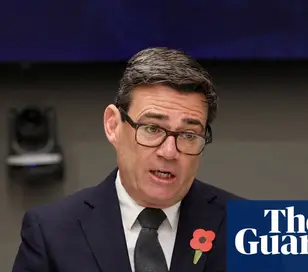
2. Andy Burnham begins talks on a formal UK apology for slavery at the Commonwealth summit in Antigua and will set out a ‘debt reset’ for member countries
Prime Minister Andy Burnham will join the King at the formal opening of the Commonwealth Heads of Government Meeting in Antigua, where he will begin talks with fellow leaders about the UK issuing a formal apology for the slave trade, the BBC reported. Downing Street said he would also set out plans for a “debt reset” to help Commonwealth countries facing the growing cost of interest on their debts. Representatives from 56 countries are attending.
The Guardian reported that No 10 said Burnham would launch a “structured dialogue” with countries affected by Britain’s role in slavery to help shape an expected apology. Downing Street has ruled out paying reparations. Foreign Secretary Ed Miliband said a formal apology was something the government was “open to”, but that financial reparations were not “the right or feasible answer”. The BBC said an apology is likely next year, when the UK holds the G20 presidency.
Burnham wrote in the Guardian that “by sticking our heads in the sand, we have damaged the ability of the Commonwealth to function”. Tony Blair expressed “deep sorrow” about the slave trade in 2006 but stopped short of a formal apology. The Daily Mail reported that Burnham had also signed off £40m in new aid for the Caribbean.
How it was framed
- BBC (UK, public-service) · PM plans debt re-set for Commonwealth nations as slavery apology talks begin. Focus 8: Puts the debt reset and apology talks side by side and explains the history of the reparations row, a factual framing with the government’s limits clearly stated.
- The Guardian (UK, commercial) · PM to ask countries affected by UK’s role in slavery to help shape formal apology. Focus 7: Concentrates on the planned dialogue over an apology and Downing Street’s reasoning, giving the government’s case more room than critics of the approach.
- Daily Mail (UK, commercial) · Burnham finds £40million more aid: Caribbean given larger handout as PM prepares slavery apology. Focus 3: Leads on extra aid described as a handout, linking money to the apology in a framing that invites readers to see the summit as a cost to taxpayers (headline and summary).
- Independent (UK, commercial) · Burnham pledges £40m for Caribbean amid calls for reparations. Focus 6: Ties the £40m pledge to continuing calls for reparations, a factual framing that leaves the apology talks and debt plans in the background (headline and summary).
- The Telegraph (UK, commercial) · Burnham open to slavery payouts. Focus 2: Says the prime minister is open to slavery payouts, a framing at odds with Downing Street’s stated rejection of reparations and built for political impact (headline and summary).
- The Times (UK, commercial) · King Charles to address slavery ‘with honesty and sincere sorrow’. Focus 6: Puts the King’s planned words first rather than the government’s talks, a royal framing that keeps policy questions such as debt and reparations secondary (headline and summary).
- Sky News (UK, commercial) · UK will help ‘reshape Commonwealth’ as Burnham joins the King in the Caribbean. Focus 6: Uses the prime minister’s own phrase about reshaping the Commonwealth, a framing that follows Downing Street’s message more than the reparations dispute (headline and summary).
- Daily Mirror (UK, tabloid) · Andy Burnham to outline debt cost support plans for Commonwealth countries at summit with King Charles. Focus 8: Leads on the debt support plans, a factual framing of the government’s announcement that leaves the apology and reparations arguments for later (headline and summary).
- Daily Express (UK, tabloid) · Antiguan PM says UK should pay slavery reparations after meeting with King Charles. Focus 5: Puts the Antiguan prime minister’s reparations demand first, a framing that highlights pressure on Britain rather than the government’s new proposals (headline and summary).
- Al Jazeera (Qatar, state-funded) · Burnham ‘open’ to UK slavery apology, but not reparations: Why now? Focus 7: Frames the shift as an apology without reparations and asks why it is happening now, an explanatory framing that keeps the limits of the offer in view (headline and summary).
- Washington Post (US, commercial) · The UK’s stance on its role in the slave trade is shifting, but reparations remain off the table. Focus 8: Describes a shift in British policy while noting reparations remain ruled out, a balanced factual framing for readers abroad (headline and summary).
Neutrality: 5/10.
3. AI-powered malware is ‘highly likely’ to be used to attack UK power stations, airports and hospitals by 2028, the National Cyber Security Centre warns
AI-powered malicious software is “highly likely” to be used in hacking attacks against the UK’s power stations, airports and hospitals by 2028, the National Cyber Security Centre (NCSC) has said, The Guardian reported. The warning came in the annual review of the NCSC, which is part of GCHQ, and said AI would probably enable a ransomware attack on critical national infrastructure, which covers energy, transport, defence, food, health and finance.
The review also warned that Russia and China will start using AI “routinely” in cyber-attacks. The NCSC said AI would boost the ransomware threat by helping attackers scout targets, find weaknesses in IT networks and write malicious code. Past UK ransomware victims include Royal Mail, Capita and several councils.
NCSC chief executive Richard Horne was due to warn in a speech on Tuesday that “in the coming months, we face a real prospect of an unprecedented rise in the number of cyber incidents”, blaming weaknesses that have been “tolerated for far too long”. Sky News led its coverage with a warning to businesses to prepare for cyber attacks or face empty shelves, and The Times reported the warning of an “unprecedented rise” in AI attacks. Last month the government urged households to keep bottled water and three days’ worth of food in case of a weather, cyber or other serious emergency.
How it was framed
- Sky News (UK, commercial) · Prepare for cyber attacks or face empty shelves, businesses told. Focus 6: Leads on a stark warning to businesses about empty shelves, a consumer-focused framing that makes the threat vivid but puts the official assessment second (headline and summary).
- The Guardian (UK, commercial) · AI-powered malware ‘highly likely’ to be used to hack UK infrastructure by 2028. Focus 9: Reports the NCSC’s assessment and its reasoning in detail, with examples of past attacks, a tightly factual framing that avoids alarm beyond the agency’s own words.
- The Times (UK, commercial) · UK will be hit by ‘unprecedented rise’ in AI cyberattacks. Focus 6: Puts the NCSC chief’s warning of an unprecedented rise first, a framing that turns a quoted prediction into a firm forecast in its headline (headline and summary).
- The Sun (UK, tabloid) · Cyber attack ‘could wipe out UK’s food supply & energy in 2yrs’, warns spy boss. Focus 3: Leads on a warning that food and energy could be wiped out, an alarming framing that goes further than the review’s measured likelihood language (headline and summary).
- Independent (UK, commercial) · Hackers ‘highly likely’ to use AI to target key UK infra by 2028, report warns. Focus 8: Uses the report’s own likelihood wording and timeframe, a factual framing that stays close to what the NCSC assessment said (headline and summary).
Neutrality: 5/10.
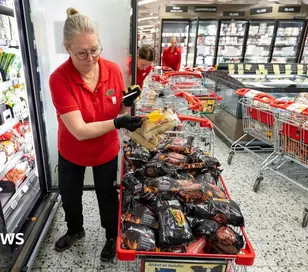
4. Supermarket fridges and freezers in seven European countries are hit by a new suspected cyber-attack as UK officials say they are monitoring the threat
Dozens of supermarkets across seven European countries have been hit by a cyber-attack affecting their refrigerators and freezers, the BBC reported. Around 40 Delhaize stores in Belgium and Luxembourg were affected, along with smaller numbers in Sweden, Ireland, the Netherlands, Estonia and Finland. Freezer temperatures reportedly rose as high as 50C.
Sabcobel, a Belgian company that makes some of the affected units, said their evaporators were switched to defrost mode, the same method believed to have been used last month when hundreds of French supermarkets were hit. Its chief executive said the units needed physical changes, not just software updates. It is unclear who is behind the latest attack.
The UK’s National Cyber Security Centre said it was working with international partners to understand the incident, and no incidents have been reported in the UK, the BBC said. The Guardian reported that EU food and agriculture commissioner Christophe Hansen called the attacks “a deliberate attempt to disrupt our food supply chain”. One Delhaize branch said it had lost €100,000 of produce. In the US, authorities are investigating refrigeration failures at military bases in August and working with French officials on whether the incidents are linked. The Times reported that British meat suppliers had been hit.
How it was framed
- BBC (UK, public-service) · Shop freezers in seven European countries hit by cyber-attack. Focus 9: Sets out where stores were hit, how the attack worked and what the NCSC said, a tightly factual framing that is careful about the unknown attacker.
- The Guardian (UK, commercial) · Shop fridges and freezers across Europe hit by fresh suspected cyber-attack. Focus 8: Leads on the scale across seven countries and the EU commissioner’s warning, a factual framing that also raises fears of state-sponsored hybrid attacks.
- The Times (UK, commercial) · British meat suppliers hit as supermarket fridge hackers strike again. Focus 6: Puts a British angle first through meat suppliers, a domestic framing that highlights UK exposure more than the incidents abroad (headline and summary).
- The Telegraph (UK, commercial) · Britain on alert as hackers shut down supermarket fridges across Europe. Focus 5: Frames the incident around Britain being on alert, a domestic security angle that leans on the threat to the UK rather than confirmed events (headline and summary).
- The Sun (UK, tabloid) · Supermarket fridges across Europe HACKED in attacks as warnings issued to UK. Focus 4: Uses capitals and warnings to the UK to heighten the story, a dramatic framing that gives little room to the technical cause (headline and summary).
- Sky News (UK, commercial) · Hackers target refrigerators in Ireland and European countries in new wave of cyber attacks. Focus 7: Leads on Ireland and a new wave of attacks, a factual framing that stresses the spread of the incidents across countries (headline and summary).
- Daily Mirror (UK, tabloid) · UK security chiefs on alert after cyber attackers target supermarket fridges turning temperatures up to 55C. Focus 5: Puts UK security chiefs first and cites a higher temperature figure than other outlets, a framing that heightens the domestic threat (headline and summary).
- Daily Express (UK, tabloid) · Panic at supermarkets as food pulled from fridges after huge cyberattack. Focus 3: Speaks of panic and a huge attack, an emotive framing that stresses disruption over the facts of where and how the systems failed (headline and summary).
- CBS News (US, commercial) · More grocery stores in Europe report fridge and freezer temperature spikes as apparent cyberattacks continue. Focus 8: Describes temperature spikes and apparent attacks with careful wording, a factual framing that does not go beyond what retailers had confirmed (headline and summary).
- New York Times (US, commercial) · Are Freezers Being Hacked? Europe and the U.S. Military Are Investigating. Focus 7: Poses the question and links Europe’s incidents to US military investigations, an investigative framing that stays cautious about attribution (headline and summary).
- DW (Germany, public) · European supermarkets targeted in reported cyberattacks stretching from Ireland to Sweden. Focus 8: Stresses the geographic spread from Ireland to Sweden with careful wording about reported attacks, a factual European framing (headline and summary).
- Al Jazeera (Qatar, state-funded) · Suspected cyberattacks trigger supermarket fridge failures across Europe. Focus 8: Describes suspected attacks causing fridge failures, a cautious factual framing that avoids speculating about who is responsible (headline and summary).
- France 24 (France, state-funded) · Fresh wave of fridge cyberattacks hits European supermarkets. Focus 7: Presents the incidents as a fresh wave following the attacks in France, a factual framing that ties the story to its earlier French chapter (headline and summary).
- Ynet (Israel, commercial) · Supermarket cyberattacks spread across Europe as hackers turn freezers into ovens. Focus 5: Uses the image of freezers turned into ovens, a vivid framing that dramatises the damage rather than explaining its cause (headline and summary).
Neutrality: 7/10.
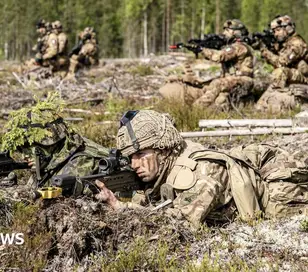
5. British troops in any future Ukraine reassurance force would be allowed to fire back if attacked by Russia, as Britain and France prepare a 2,800-strong rehearsal in Poland
Britain and France are to lead a military exercise in Poland this month to test whether a multinational force could deploy to Ukraine if there is a peace deal, the BBC reported. Some 2,800 personnel from European countries will take part in Exercise Koalicja from 9 to 22 November, with the UK contributing 300 troops and two RAF Typhoons. Turkey has agreed to lead the maritime mission.
The Guardian reported that western officials said British and European troops would be allowed to fire back if attacked by Russians while stationed in Ukraine after a ceasefire, though they stressed any engagement would be “defensive in nature”. The force would not rely on US systems such as Starlink and is expected to be almost entirely European. France is supplying 1,500 troops.
Officials said the force would not carry out offensive operations, ceasefire monitoring or front-line duties, and would not be under Nato command. Russia has opposed foreign troops in Ukraine, and President Vladimir Putin has said they would be “legitimate targets”. Defence Secretary Wes Streeting said: “This is not a hypothetical plan, it’s a real force, ready to help Ukraine once the fighting stops.” The commander, Lt Gen Tom Bateman, called it a “readily deployable force”. The Daily Mail reported that hundreds of British troops were deploying to Poland.
How it was framed
- BBC (UK, public-service) · Thousands of European troops to rehearse Ukraine deployment in event of peace. Focus 8: Leads on the exercise itself and explains what the force would and would not do, a factual framing that notes officials declined to spell out rules of engagement.
- The Guardian (UK, commercial) · UK and European peacekeepers in Ukraine would be allowed to fire back at Russians. Focus 7: Puts the rules on firing back first, then the exercise, a framing that sharpens the risk of clashes while quoting officials on defensive intent.
- Sky News (UK, commercial) · British troops will be allowed to fire at Russian forces if attacked during multinational mission. Focus 6: Leads on the right to fire at Russian forces, a security framing that brings the confrontation angle forward and leaves the exercise detail second (headline and summary).
- The Times (UK, commercial) · British troops ‘allowed to fire back’ if Russia attacks Ukraine mission. Focus 6: Frames the story around firing back if attacked, using quotation marks to attribute the claim, with the exercise itself less prominent (headline and summary).
- Daily Mail (UK, commercial) · Hundreds of British troops deploy to Poland in first test of UK-led task force designed to rebuild Ukrainian army. Focus 6: Focuses on British troops deploying to Poland and a warning that Russia may oppose the effort, a national framing centred on UK forces (headline and summary).
- Daily Mirror (UK, tabloid) · UK to lead major wargames to prepare for ‘peace’ in Ukraine. Focus 5: Calls the exercise major wargames and puts peace in quotation marks, a framing that hints at scepticism about the mission’s purpose (headline and summary).
- CGTN (China, state) · European force for Ukraine to stage first exercise in Poland this month: statement. Focus 8: Reports the exercise plainly as a statement from the organisers, a factual framing without comment on Russia’s position or the rules of engagement (headline and summary).
- France 24 (France, state-funded) · European force to hold first Ukraine support exercise in Poland. Focus 8: Describes a first support exercise in Poland, a neutral factual framing that follows the official announcement closely (headline and summary).
Neutrality: 7/10.
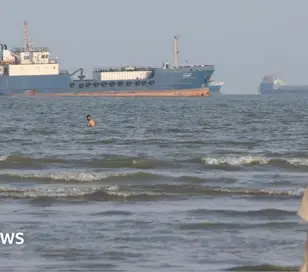
6. The US carries out what officials call limited, defensive strikes on Iran’s Qeshm Island in the Strait of Hormuz on the eve of the midterm elections
The US has launched strikes on Iran’s Qeshm Island in the Strait of Hormuz, US officials told CBS, the BBC reported. Officials described the strikes as limited and said they were a response to Iran’s Islamic Revolutionary Guard Corps firing on a US aircraft. Iranian state news agency IRNA reported several explosions on the island on Monday evening, and Al Jazeera said blasts were also heard in the port city of Bandar Lengeh.
NBC News reported that two US officials said the attacks were not a resumption of major combat operations, and a third called them “a defensive measure for Iranians using surface-to-air missiles against US assets”. The Guardian reported that the Wall Street Journal described the attacks as part of a series of smaller strikes in recent weeks that had not been made public. Earlier on Monday the IRGC said it had captured two US drones and destroyed an MQ-9.
The strikes came hours after Vice-President JD Vance said he and President Donald Trump felt “pretty good” about the prospects of a negotiated settlement, and on the eve of midterm elections in which the unpopular war has been a vulnerability for Republicans. Asked whether he planned to resume strikes after the vote, Trump said “no”. Iran’s foreign minister Abbas Araghchi said “very intensive” talks were under way through mediators.
How it was framed
- Al Jazeera (Qatar, state-funded) · Explosions hit Iran’s Qeshm Island as US media report US strikes in Hormuz. Focus 8: Leads with explosions reported by Iranian media and sets out US officials’ accounts in turn, a careful factual framing that attributes each claim to its source.
- BBC (UK, public-service) · US strikes Iran ahead of midterm elections. Focus 7: Ties the strikes directly to the midterms in its headline, then reports officials’ explanation and Trump’s comments, a factual framing with a political lens on timing.
- The Guardian (UK, commercial) · US reportedly strikes Iran’s Qeshm Island as Vance voices optimism about a deal. Focus 7: Sets the strikes against Vance’s optimism about a deal, a framing that highlights the contradiction while noting the strikes were described as defensive.
- NBC News (US, commercial) · U.S. military carries out limited strikes on Iran’s Qeshm Island, U.S. officials say. Focus 8: Relies on several US officials to explain the defensive purpose and ongoing threats to shipping, a factual framing that leans on the American military account.
- CBS News (US, commercial) · U.S. launches defensive strikes at Iranian targets. Focus 7: Adopts the word defensive in its headline, a factual framing that reflects officials’ description without much room for Iranian accounts (headline and summary).
- Fox News (US, commercial) · US strikes Iranian island after aircraft comes under fire, official says. Focus 7: Puts the attack on a US aircraft first as the cause, a framing that follows the US justification closely and keeps the election backdrop in the background (headline and summary).
- New York Times (US, commercial) · U.S. Military Strikes Iran’s Qeshm Island in What U.S. Officials Call a Defensive Measure. Focus 8: Attributes the defensive label to US officials rather than adopting it, a careful factual framing that leaves room for doubt (headline and summary).
- Washington Post (US, commercial) · U.S. forces launch new ‘defensive’ strikes in Iran on eve of election. Focus 7: Puts defensive in quotation marks and links the timing to the election, a framing that signals scepticism about the label (headline and summary).
- CNN (US, commercial) · US military conducts strikes on Iran’s Qeshm Island in defensive operation, officials say. Focus 8: Reports the strikes as a defensive operation according to officials, a factual framing that follows the US military’s account (headline and summary).
- IRNA (Iran, state) · Iran shoots American MQ9 drone down over Strait of Hormuz. Focus 4: Leads on Iran downing a US drone rather than the strikes on its territory, an official framing that stresses Iranian success over US action (headline and summary).
- RT (Russia, state) · US launches ‘defensive’ strikes after Iran downs American drone. Focus 5: Links the strikes to Iran downing a drone and puts defensive in quotation marks, a framing that questions Washington’s description (headline and summary).
- France 24 (France, state-funded) · US strikes Iran’s Qeshm Island as Trump signals progress in talks. Focus 7: Pairs the strikes with Trump’s signals of progress in talks, a factual framing that highlights the mixed messages from Washington (headline and summary).
- Times of Israel (Israel, commercial) · US strikes targets on Iranian island in Strait of Hormuz. Focus 8: States the strikes plainly with their location, a short factual framing that avoids characterising their purpose (headline and summary).
- Al Arabiya (Saudi, commercial) · US reportedly strikes Iran’s Qeshm island. Focus 8: Uses reportedly to attribute the strikes, a cautious factual framing that does not adopt either side’s description (headline and summary).
- Arab News (Saudi, commercial) · US has conducted defensive strikes on some Iranian targets in the Strait of Hormuz, US official says. Focus 7: Attributes the defensive description to a US official, a factual framing that follows the American account (headline and summary).
- ABC Australia (Australia, public) · US has struck Iranian targets in Strait of Hormuz, US official says. Focus 8: Reports the strikes on the word of a US official without adding a characterisation, a plain factual framing (headline and summary).
- TASS (Russia, state) · US strikes Iranian island of Qeshm, WSJ says. Focus 7: Credits the Wall Street Journal for the report and adds little else, a short attributed framing that avoids comment (headline and summary).
Neutrality: 5/10.
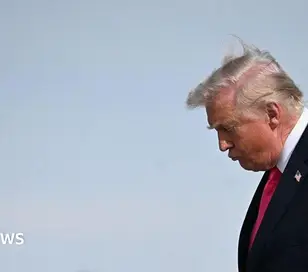
7. Americans vote in midterm elections that will decide control of Congress, with Donald Trump’s Republicans facing voter anger over the cost of living and the Iran war
Americans are voting in midterm elections that will decide control of Congress for the last two years of Donald Trump’s presidency, the BBC reported. Voters overwhelmingly say the cost of living is their biggest concern, with food and fuel prices driven up in part by the president’s tariffs and the war with Iran. The BBC said the price of a gallon of diesel, $3.75 before the war began in February, hit a record $6.52 in September.
Trump, who has faced record low approval ratings, has campaigned hard, including in previously safe Republican states such as Iowa and Kansas, where his party has poured in hundreds of millions of dollars of advertising. He has repeatedly asked voters to “pretend I’m on the ballot”. The BBC reported that the campaign has broken spending records to become the most expensive ever.
Al Jazeera reported that Trump’s approval rating was near a record low on the eve of the vote, and DW reported that Trump labelled Democrats “dangerous”. CBS News reported Trump telling Republicans “we gave this a very strong shot”. Fox News reported that a Senate deadlock could put Vice-President JD Vance at the centre of post-election drama. The Daily Mirror said Democrats were on track for a “blue tsunami”. Results will come in through Tuesday night US time.
How it was framed
- BBC (UK, public-service) · Americans head to the polls for elections that could define Trump’s closing chapter. Focus 7: Frames the vote as a verdict on Trump’s final years and puts the cost of living first, a factual framing with a strong focus on the president.
- CBS News (US, commercial) · Live Updates: Trump tells GOP ‘we gave this a very strong shot’. Focus 5: Leads its live coverage on Trump’s remark to Republicans, a framing that reads as an early concession and centres the president (headline and summary).
- Fox News (US, commercial) · Trump warns of sweeping policy reversals if Democrats win control of Congress. Focus 4: Puts Trump’s warning about Democratic control first, a framing that carries the president’s campaign message and says little about voters’ concerns (headline and summary).
- NBC News (US, commercial) · Voters making final decisions in midterm elections. Focus 8: Centres voters making final choices, a plain factual framing that keeps both parties’ messages in the background (headline and summary).
- ABC News (US, commercial) · Midterm elections updates: SCOTUS denies Trump bid to segregate California votes. Focus 7: Leads its live coverage with the court ruling, a factual framing that focuses on the legal fight over ballots rather than the campaign (headline and summary).
- New York Times (US, commercial) · Trump Delivers a Closing Midterm Message. Mostly About Landscaping. Focus 4: Mocks Trump’s final message as being about landscaping, an ironic framing that comments on the president rather than the stakes of the vote (headline and summary).
- Al Jazeera (Qatar, state-funded) · Trump approval rating near record low on eve of US midterm elections: Poll. Focus 6: Leads on Trump’s low approval rating, a poll-driven framing that sets up the vote as a judgment on the president (headline and summary).
- France 24 (France, state-funded) · Midterms live: Americans head to the polls to vote in election crucial for Trump’s remaining term. Focus 7: Frames the vote around Trump’s remaining term, a factual live framing that centres the president’s future (headline and summary).
- DW (Germany, public) · US: Trump labels Democrats ‘dangerous’ ahead of midterms. Focus 5: Puts Trump’s attack on Democrats first, a framing driven by the president’s rhetoric rather than voters’ issues (headline and summary).
- CGTN (China, state) · US midterm elections: Senate control could hinge on Texas. Focus 8: Focuses on the Senate arithmetic and Texas, a factual framing about the race that avoids comment on the president (headline and summary).
- Ynet (Israel, commercial) · US midterms: Democrats eye ‘blue wave’ as Trump braces for losses. Focus 6: Frames the vote as a likely Democratic wave and Republican losses, a forecast-led framing that leans on polls (headline and summary).
- ABC Australia (Australia, public) · Polls set to open in midterms as US hits Iran. Focus 7: Links the start of voting to the strikes on Iran, a framing that places the election against the backdrop of the war (headline and summary).
- The Guardian (UK, commercial) · What can Democrats actually do if they win Congress? Focus 6: Looks ahead to what Democrats could do with Congress, an analytical framing that assumes a strong Democratic night (headline and summary).
- Daily Mirror (UK, tabloid) · Democrats on track to humiliate Trump with ‘blue tsunami’. Focus 3: Speaks of humiliation and a blue tsunami, a partisan framing that treats a Democratic win as a defeat for Trump personally (headline and summary).
Neutrality: 5/10.
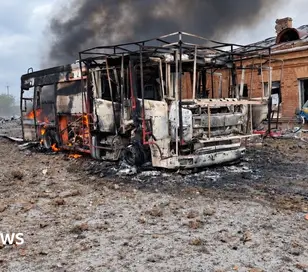
8. At least 26 people are killed as Russian bombs hit an aid distribution centre and shelter in Ukraine’s Zaporizhzhia region, Kyiv says
At least 26 people were killed after Russian bombs hit an aid distribution centre in the village of Komyshuvakha in Ukraine’s southern Zaporizhzhia region on Monday, the BBC reported. Regional head Mykhailo Semikin said at least nine 3,000kg aerial bombs struck the village. Ukraine’s emergency service said two rescuers and four police officers were among the dead, and five people were injured.
President Volodymyr Zelensky said that after a first strike on a local school used for humanitarian needs, there was a second attack on the place where people were sheltering. The Guardian reported that he called it “a vile terrorist strike” and said the Russians could not have been unaware that residents gathered there each week to collect aid. Rescue efforts were halted several times because of Russian drone attacks in the area. The Russian military has not publicly commented.
Zelensky said the attack showed Russia did not want de-escalation after last week’s ceasefire in the occupied city of Oleshky, brokered by US first lady Melania Trump, which was the longest pause in fighting of the war. A day of mourning was declared across the Zaporizhzhia region. US envoy Steve Witkoff said teams from Ukraine, Russia and the US would resume peace talks in Abu Dhabi next week.
How it was framed
- BBC (UK, public-service) · Russian bombing kills 26 people at Ukraine aid centre, Kyiv says. Focus 8: Attributes the death toll to Kyiv and sets out the officials’ accounts and the peace talks context, a factual framing that notes Russia had not commented.
- The Guardian (UK, commercial) · Russian bombing of Ukrainian aid centre kills at least 26, Kyiv says. Focus 8: Gives a detailed account of the double strike and rescue efforts, a factual framing that relies mainly on Ukrainian officials’ statements.
- New York Times (US, commercial) · Russian Strike on Ukraine Humanitarian Hub Kills Dozens. Focus 8: Leads its world coverage with the strike on a humanitarian hub, a plain factual framing of the death toll (headline and summary).
- Al Jazeera (Qatar, state-funded) · Russian attack on Ukraine aid hub kills 26 as US announces new peace talks. Focus 8: Pairs the attack with the announcement of new peace talks, a factual framing that places the deaths in the diplomatic context (headline and summary).
- France 24 (France, state-funded) · Repeated Russian bombing kills 26 people in Ukraine’s Zaporizhzhia region. Focus 8: Stresses that the bombing was repeated, a factual framing that reflects the double strike described by Ukrainian officials (headline and summary).
- DW (Germany, public) · Ukraine: At least 26 killed in Russian strikes on aid center. Focus 8: States the toll and target plainly, a short factual framing within its running Ukraine coverage (headline and summary).
- The Sun (UK, tabloid) · At least 26 dead as Putin bombs Ukraine school in ‘utterly horrific’ strikes. Focus 5: Names Putin personally as the bomber and quotes ‘utterly horrific’, an emotive framing that sharpens blame (headline and summary).
- Al Arabiya (Saudi, commercial) · Ukraine says Russian strikes on aid distribution point kill 18. Focus 7: Reports an earlier, lower toll attributed to Ukraine, a cautious factual framing that was overtaken by later figures (headline and summary).
Neutrality: 8/10.
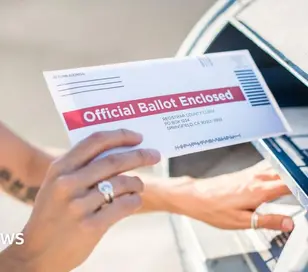
9. The US Supreme Court rejects a Trump administration request to stop California counting 20,000 ballots it alleged may have been cast by non-citizens
The US Supreme Court has rejected a last-minute request by the Trump administration to intervene in California’s midterm vote count, the BBC reported. The justice department wanted 20,000 ballots set aside, alleging they may have been issued to non-US citizens. Two lower courts had already rejected the request, and on Friday a federal appeals court declined to order the ballots to be segregated.
The court announced its decision in a one-line order denying the application for an injunction, which means the lower court rulings stand and essentially ends the administration’s bid to disqualify the ballots. California election officials had questioned the government’s claims, saying the list of names was riddled with inaccuracies, and warned that eligible voters could be disenfranchised and that segregating ballots during voting was unfeasible.
The BBC reported that the justice department had sent letters demanding the ballots be set aside, and that about a week later armed Department of Homeland Security officials delivered letters to county officials threatening criminal charges if they did not comply. More than six million mail-in ballots had been received in California by Sunday night. The Guardian reported that the justice department had separately charged six more people in what it called a voter fraud crackdown in California.
How it was framed
- BBC (UK, public-service) · Supreme Court rejects Trump’s request to stop California counting disputed votes. Focus 8: Explains the order, the earlier rulings and both sides’ arguments, a factual legal framing that carefully attributes the non-citizen claims to the government.
- ABC News (US, commercial) · Midterm elections updates: SCOTUS denies Trump bid to segregate California votes. Focus 8: Leads its election coverage with the ruling, a factual framing that describes the bid in neutral legal terms (headline and summary).
- NBC News (US, commercial) · Supreme Court quickly rejects Trump effort to target alleged noncitizen voters in California. Focus 7: Stresses the speed of the rejection and calls the voters alleged noncitizens, a factual framing with a hint of how weak the request was seen (headline and summary).
- CNN (US, commercial) · Supreme Court rejects Trump’s attempt to segregate ballots in California. Focus 8: Uses the legal term segregate and states the outcome plainly, a factual framing without commentary (headline and summary).
- Fox News (US, commercial) · Supreme Court denies Trump admin request to reverse block on segregating 20K California ballots. Focus 8: Describes the procedural history precisely, a technical factual framing that avoids characterising the voters involved (headline and summary).
- New York Times (US, commercial) · Supreme Court Rejects Trump Administration Request to Intervene in California Ballot Case. Focus 8: States the ruling in neutral procedural terms, a factual framing that leaves the dispute’s background for the body (headline and summary).
- Washington Post (US, commercial) · Supreme Court denies Trump administration request to set aside Calif. ballots. Focus 8: Reports the denial in plain terms, a short factual framing without comment on the government’s claims (headline and summary).
- Al Jazeera (Qatar, state-funded) · Supreme Court rejects Trump request to set aside California ballots. Focus 8: States the outcome directly without characterising the voters or the government’s claims, a neutral factual framing for international readers (headline and summary).
- DW (Germany, public) · Supreme Court rejects Trump bid to block 20,000 California ballots. Focus 8: Gives the number of ballots and the outcome, a factual framing that follows the court’s decision closely (headline and summary).
- The Guardian (UK, commercial) · Supreme court rules against Trump over bid to force California to set aside ballots. Focus 7: Frames the ruling as a defeat for Trump, a factual framing that also notes the separate voter fraud charges brought by the justice department (headline and summary).
- Independent (UK, commercial) · Newsom warns Trump’s DOJ could seize California ballots in escalating legal battle. Focus 5: Leads on Governor Newsom’s warning of possible ballot seizures, a framing driven by a political figure’s claims about what could come next (headline and summary).
Neutrality: 7/10.
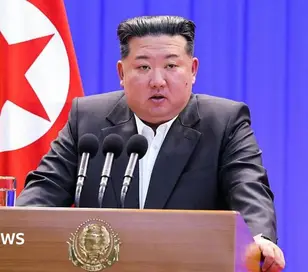
10. North Korea denies it was behind the record $6.3bn hack of crypto exchange Binance, calling US accusations ‘absurd rhetoric’
North Korea has denied claims that it was behind the record $6.3bn (£4.7bn) hack of cryptocurrency exchange Binance, calling the allegations “absurd rhetoric”, the BBC reported. Kim Yo Jong, the sister of leader Kim Jong Un, said in a statement on Tuesday that the accusations were another “sinister attempt” by the US to damage Pyongyang’s image and “a grave political provocation”.
The FBI, the Secret Service and cyber analysts have said North Korea orchestrated the hack, described as the largest in history, and blockchain analysts and the FBI have said it was led by the state-backed group TraderTraitor, also known as the Lazarus Group. That unit was blamed for the then-record $1.5bn hack of the exchange Bybit in 2025. North Korea has consistently denied such claims.
DW reported that Kim said Pyongyang now had “issues to reconsider” because of Washington’s hostility, and that analysts in Seoul told Reuters the speed of the denial pointed to concern that the US could step up efforts to cut off a funding source widely believed to pay for arms development. The analytics firm TRM Labs said most of the money was moved within 20 minutes. Binance said it had replaced most of the stolen assets from its own funds and was restarting withdrawals for more assets on Tuesday.
How it was framed
- BBC (UK, public-service) · North Korea denies being behind record $6.3bn Binance hack. Focus 8: Leads on the denial and then sets out the FBI’s case and North Korea’s record, a factual framing that balances the claims against each other.
- DW (Germany, public) · North Korea denies role in record Binance hack, calls US charge ‘provocation’. Focus 8: Reports the denial, the hint of reconsidered policy and Binance’s recovery, a factual framing that adds analysts’ reading of Pyongyang’s motives.
- France 24 (France, state-funded) · North Korea rejects US allegations over $6 billion Binance crypto heist. Focus 8: States the rejection of US allegations plainly, a factual framing that keeps both sides’ positions clear (headline and summary).
- NBC News (US, commercial) · North Korea denies involvement in Binance hack and criticizes FBI probe as ‘a trite provocation’. Focus 8: Quotes the denial and the attack on the FBI investigation, a factual framing that attributes the language to Pyongyang (headline and summary).
- Independent (UK, commercial) · North Korea denies involvement in Binance hack and criticizes FBI probe as ‘a trite provocation’. Focus 8: Carries the same factual framing of the denial and criticism of the FBI, leaving the evidence for the body (headline and summary).
- ABC Australia (Australia, public) · North Korea denies role in Binance heist as customers withdraw billions. Focus 7: Pairs the denial with customers pulling billions from the exchange, a framing that widens the story to Binance’s users (headline and summary).
- Arab News (Saudi, commercial) · N. Korea slams FBI allegations over Binance hack as ‘grave’ provocation. Focus 7: Uses slams and quotes grave provocation, a framing that foregrounds the angry tone of North Korea’s response (headline and summary).
- Ynet (Israel, commercial) · North Korea Denies Involvement in Binance Crypto Exchange Hack: ‘Absurd’. Focus 7: Leads on the single word absurd, a short factual framing of the denial without the US evidence (headline and summary).
Neutrality: 6/10.
11. Cyclone Murasu makes landfall in India’s Andhra Pradesh, uprooting thousands of trees and closing schools, as thousands are evacuated in the second cyclone in a week
Severe cyclonic storm Murasu began making landfall close to Ongole in the Prakasam district of Andhra Pradesh in the early hours of Tuesday, DW reported, citing the India Meteorological Department. The storm brought strong winds and heavy rain and reportedly uprooted thousands of trees and damaged electricity poles and crops along the coast.
Schools and colleges were closed in at least eight districts as a precaution, and the weather service said heavy rain was likely across south coastal Andhra Pradesh over the next 12 hours, with the cyclone expected to weaken gradually. Al Jazeera and the Washington Post reported that thousands were evacuated as India braced for its second cyclone in a week. The Independent said winds of up to 120km/h were expected.
How it was framed
- DW (Germany, public) · India news: Cyclone Murasu wreaks havoc after landfall. Focus 8: Leads its India coverage with the landfall and its damage, citing the weather department, a factual framing that stays with officials’ observations.
- Al Jazeera (Qatar, state-funded) · Thousands evacuated as India braces for second cyclone in a week. Focus 8: Puts the evacuations and the repeat cyclone first, a factual framing focused on people’s safety rather than political response (headline and summary).
- Washington Post (US, commercial) · Heavy rain falls in eastern India after second cyclone in a week. Focus 8: Describes the heavy rain and repeated storms plainly, a factual weather framing without wider comment (headline and summary).
- New York Times (US, commercial) · Maps: Tracking Tropical Cyclone Murasu. Focus 9: Offers tracking maps of the storm’s path, a data-led framing that sticks to where the cyclone is heading (headline and summary).
- Independent (UK, commercial) · Cyclone Murasu mapped: Thousands evacuated as India braces for 120kmph winds. Focus 7: Combines a map with evacuations and wind speeds, a factual framing that leans on the scale of the threat (headline and summary).
Neutrality: 8/10.
12. Australia’s central bank raises interest rates for the fifth time this year to 4.85%, the highest level since 2008, to tackle surging inflation
The Reserve Bank of Australia has raised its cash rate for the fifth time this year, from 4.6% to 4.85%, the highest level since 2008, ABC Australia led its coverage, saying the move was aimed at dampening inflation. The Guardian reported that the rise was a bid to regain control of surging inflation amid the global oil shock.
Governor Michele Bullock said “some pain now will prevent even worse pain down the track”, The Guardian reported. Before the decision, New South Wales premier Chris Minns warned that an expected rise would see “shops close that don’t reopen”, adding to pressure on the prime minister. France 24 described the move as lifting the key rate to an 18-year high, and the Australian dollar dipped after the expected rise.
How it was framed
- ABC Australia (Australia, public) · RBA lifts interest rates to highest level in 18 years to try to dampen inflation. Focus 8: Leads its site with the decision and its stated aim, a factual framing that explains the move in the bank’s own terms (headline and summary).
- The Guardian (UK, commercial) · RBA interest rates: Bullock says ‘some pain now’ will prevent worse pain later as Reserve Bank hikes rates for fifth time. Focus 7: Puts the governor’s warning about pain first, a framing that keeps the human cost of higher rates at the centre while giving the figures (headline and summary).
- France 24 (France, state-funded) · Australian central bank lifts key interest rate to 18-year high. Focus 9: States the decision and its historic level plainly, a tightly factual framing without political reaction (headline and summary).
Neutrality: 7/10.
13. Israel’s Arab parties, with a record 19 seats, back opposition leader Gadi Eisenkot as he and Benjamin Netanyahu compete to form a government
Israel’s Arab parties, which won a record 19 seats in last week’s general election, are set to back opposition leader Gadi Eisenkot’s bloc, further denting Prime Minister Benjamin Netanyahu’s chances of leading another government, Al Jazeera reported. The main Jewish opposition bloc fell short of the 61 seats needed for a Knesset majority, and support from the two main Arab-led parties could help avoid deadlock and another election.
The New York Times reported that party leaders will make competing cases to President Isaac Herzog for either Netanyahu or Eisenkot to get the first chance to build a coalition. CNN reported that Netanyahu, having lost his majority, claimed the elections were stolen, while the Washington Post said Israeli officials insisted the results would stand after he claimed Arabs stole the vote.
How it was framed
- Al Jazeera (Qatar, state-funded) · Arab parties back Eisenkot: What’s the latest in Israel’s coalition talks? Focus 6: Explains the seat arithmetic and the Arab parties’ role, while stressing anti-Arab rhetoric and the marginalisation of Palestinian citizens, a framing with a clear point of view.
- New York Times (US, commercial) · Netanyahu and Eisenkot Seek Shot to Be Israel’s Premier. Focus 8: Frames the moment as a contest to persuade the president, a factual procedural framing that sets out the next step (headline and summary).
- CNN (US, commercial) · Netanyahu lost his majority in parliament. Now he claims elections were stolen. Focus 5: Pairs Netanyahu’s loss with his fraud claim, a personality-led framing that highlights the prime minister’s conduct (headline and summary).
- Washington Post (US, commercial) · Israeli officials say elections will stand after Netanyahu claimed Arabs stole vote. Focus 7: Leads on officials rejecting Netanyahu’s claim, a factual framing that reports the allegation alongside the official response (headline and summary).
- Ynet (Israel, commercial) · Eisenkot’s five bad choices, and how Netanyahu could benefit. Focus 4: Offers analysis of Eisenkot’s difficult options, an opinion-led framing about political tactics rather than the coalition facts (headline and summary).
- Times of Israel (Israel, commercial) · To replace Netanyahu, Eisenkot must learn from his rival’s playbook. Focus 4: Presents advice to Eisenkot on beating Netanyahu, an opinion framing built around the two leaders (headline and summary).
- France 24 (France, state-funded) · Top Arab-Israeli leader tells AFP opposition must join to oust Netanyahu. Focus 6: Gives an Arab-Israeli leader’s call for unity against Netanyahu, a framing driven by one participant’s goal (headline and summary).
- NBC News (US, commercial) · Israel’s president says parties need to engage with ‘open heart’ to avoid fresh election. Focus 8: Leads on the president’s appeal to avoid another election, a factual framing centred on the constitutional process (headline and summary).
- ABC Australia (Australia, public) · Israeli president calls for calm ahead of election talks. Focus 8: Reports the president’s call for calm, a short factual framing of the next stage of talks (headline and summary).
- Tehran Times (Iran, government-linked) · Israeli elections: The genocide wins. Focus 1: Dismisses the election in a single charged phrase, a political framing that ignores the coalition arithmetic entirely (headline and summary).
Neutrality: 4/10.
14. A child dies of measles in New York State’s first death from the disease in more than 30 years, amid an outbreak declared an emergency
New York health officials have reported the state’s first measles-associated death in more than 30 years, after a child in rural Lewis County in northern New York died, NBC News reported. State officials offered condolences and asked for the family’s privacy, and did not give further details about the child.
So far this year 178 measles cases have been recorded in New York, 170 of them outside New York City, including 15 in Lewis County. Governor Kathy Hochul declared the outbreak an emergency in October and said vaccination “remains our best protection”. In neighbouring Pennsylvania, officials are fighting the country’s worst outbreak in 30 years, with 1,433 cases and six deaths. Nationally, 4,852 cases have been recorded. Ynet noted the region is home to an Amish community.
How it was framed
- NBC News (US, commercial) · New York reports first measles death in more than 30 years. Focus 9: Reports the death with official figures for New York, Pennsylvania and the nation, a tightly factual public health framing.
- ABC News (US, commercial) · New York state reports 1st measles-associated death in over 30 years. Focus 9: Uses the officials’ careful wording of a measles-associated death, a factual framing that avoids going beyond the statement (headline and summary).
- Fox News (US, commercial) · Child’s measles death marks New York state’s first in more than 30 years amid outbreak. Focus 8: Puts the child and the outbreak first, a factual framing that stays with the health officials’ account (headline and summary).
- New York Times (US, commercial) · Child Dies From Measles in New York State’s First Fatal Case in 30 Years. Focus 9: States the death and its rarity plainly, a factual framing without political comment on vaccination (headline and summary).
- CNN (US, commercial) · Child in New York dies after contracting measles, the state’s first such death in 30 years. Focus 9: Gives the plain facts of the death and its rarity, a factual framing focused on the public health news (headline and summary).
- Ynet (Israel, commercial) · Child dies of measles in upstate New York, in region home to Amish community. Focus 6: Adds that the region is home to an Amish community, a framing that points at a particular group without saying the child was part of it (headline and summary).
- CGTN (China, state) · New York reports its first measles-related death in 30 years after a child in Lewis County died from the disease. Focus 8: Reports the death and its location in Lewis County plainly, a factual framing that follows the state officials’ statement closely (headline and summary).
Neutrality: 8/10.