Edition
24 November 2026



UK
| Story | UK prominence | Neutrality | Lead story at | Top 3 at |
|---|---|---|---|---|
| Burnham: rejoining without a vote ‘unthinkable’ | 9 | 4 | The Telegraph | BBC, Daily Mail |
| Pip review backs fast-track for severe cases | 7 | 5 | None | None |
| Victims failed ‘at every step’ | 6 | 7 | None | None |
| Drugs found in vapes seized at schools | 5 | 9 | None | Sky News, Daily Mail |
| UK sanctions Myanmar commanders | 4 | 8 | None | None |
World
| Story | World prominence | Neutrality | Lead at | UK pickup |
|---|---|---|---|---|
| Huang back at Nvidia after Trump push | 10 | 5 | BBC, Al Jazeera, New York Times | BBC, The Guardian, The Times, The Telegraph, The Sun, Sky News, Channel 4, Independent, Daily Mirror, Daily Express, Daily Mail |
| Ukraine confirms Libya ship strikes | 9 | 4 | France 24 | BBC, The Guardian, The Times, The Telegraph, The Sun, Sky News, Channel 4, Independent, Daily Mirror |
| Nato warning on Russian nuclear satellite | 7 | 5 | None | BBC, The Guardian, The Times, The Sun, Independent, Daily Express, Metro |
| Pelicot to sue over nude photos | 6 | 8 | None | BBC, The Guardian, The Times, Sky News, Daily Mail |
| Court clears Iowa explosives detonation | 7 | 6 | None | BBC, The Guardian, The Times, Independent |
What the world is leading with
The five stories leading foreign news today that weren’t already in our UK or World lists, and how much attention UK outlets gave them.
| Story | World prominence | UK attention | Neutrality | Lead story at | UK coverage at |
|---|---|---|---|---|---|
| Iran says tankers hit Hormuz mines | 7 | 1 | 3 | Al Jazeera | None |
| Rep. Jimmy Gomez to resign | 6 | 3 | 8 | None | BBC, The Guardian |
| Ilhan Omar search records unsealed | 6 | 3 | 5 | None | Independent, Daily Mail |
| Mexico to try ‘El Chapo Isidro’ at home | 5 | 2 | 6 | None | The Guardian |
| Danish court backs ‘ghetto law’ | 5 | 1 | 6 | None | None |
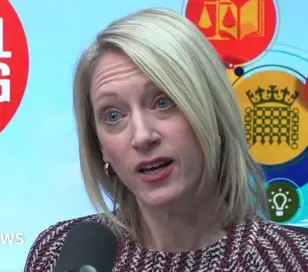
1. Andy Burnham tells MPs it would be ‘unthinkable’ to take the UK back into the EU without a referendum, as critics say he has opened the door to a second Brexit vote
Andy Burnham has said it would be “unthinkable” for the UK to rejoin the European Union without another referendum, his clearest commitment yet to putting any return to a public vote. Making a Commons statement on Friday’s Brussels summit, the prime minister was asked by the Conservative MP Sir Bernard Jenkin for an unequivocal statement that no prime minister could take Britain back in without one. “Yes, it would be unthinkable,” he replied, although he said he was not proposing a second referendum “at this moment”.
Burnham told MPs he would honour Labour’s manifesto red lines on Europe in this Parliament, but that work he had set in train would inform decisions “in the Parliament beyond this one”. He said there was “no fixed opinion” and “no fixed destination” in No 10, and that a plan setting out options for closer ties would be published next month. The Guardian reported that Downing Street insiders expect him, if he concludes rejoining is best, to seek a negotiating mandate in Labour’s next manifesto and then hold a confirmatory vote.
He dismissed warnings from former prime ministers including Theresa May, Rishi Sunak and David Cameron, saying they were “stuck in the past”. Kemi Badenoch accused him of betraying a promise made in the Makerfield by-election not to reopen the Brexit debate, and the Labour MP Graham Stringer warned of a loss of trust. Legislation to implement the food and drink part of last week’s deal is due next week.
How it was framed
- BBC (UK, public-service) · Chris Mason: Can Burnham turn volume down on EU debate? Focus 6: A political editor’s reading of the statement as an attempt to lower the temperature, weighing what Labour might promise at the next election rather than the deal’s terms.
- The Guardian (UK, commercial) · Burnham says it would be ‘unthinkable’ to rejoin EU without referendum. Focus 7: Leads on the referendum pledge but fills in the timetable, the manifesto route described by No 10 insiders and the unresolved tuition fees condition from Brussels.
- Daily Mail (UK, commercial) · The last thing our riven, stagnating nation needs: Prime Minister opens door to second EU referendum. Focus 3: Frames the answer as a plot revealed, with the headline itself delivering a verdict and Eurosceptic critics quoted at length before the substance of the deal appears.
- The Telegraph (UK, commercial) · Burnham opens door to second Brexit referendum. Focus 4: Its front page turns a reply about safeguards into a new referendum story, putting the prospect of another national vote ahead of what Burnham actually proposed (headline).
- The Times (UK, commercial) · Andy Burnham: Rejoining EU without a referendum is unthinkable. Focus 7: Quotes the prime minister’s own words in the headline without embellishment, letting the commitment stand as the news rather than layering on interpretation (headline).
- Independent (UK, commercial) · Andy Burnham says it’s ‘unthinkable’ that UK could rejoin EU without referendum. Focus 7: A plain rendering of the Commons exchange that keeps to the quotation and avoids characterising the motive behind it (headline).
- Daily Mirror (UK, tabloid) · Andy Burnham says it’d be ‘unthinkable’ to take UK back into EU without referendum. Focus 7: Sticks closely to the prime minister’s answer, with no hint of the betrayal language used by opponents, presenting it as a reassurance (headline).
- Channel 4 (UK, public-service) · Rejoining EU ‘unthinkable’ without referendum says Andy Burnham as he champions his trade deal. Focus 7: Pairs the referendum line with Burnham’s case for the deal, giving the government’s argument and the news line roughly equal weight (headline).
- Daily Express (UK, tabloid) · Andy Burnham ‘patting’ Brexit voters on head as Tony Blair breaks silence on row. Focus 2: Casts the prime minister as condescending to Leave voters and turns to Tony Blair’s intervention, with personalities crowding out the content of the statement (headline).
- France 24 (France, state-funded) · Burnham says rejoining EU without referendum ‘unthinkable’. Focus 8: A brief wire-style line from a European broadcaster that treats the pledge as a straightforward policy marker, without the domestic political colour (headline).
- Arab News (Saudi, commercial) · Burnham to ignore ‘stuck in the past’ ex-PMs as he hails UK’s EU reset. Focus 5: Picks the clash with former prime ministers as its angle, foregrounding the personal rebuke over the referendum commitment that dominated British front pages (headline).
Neutrality: 4/10.
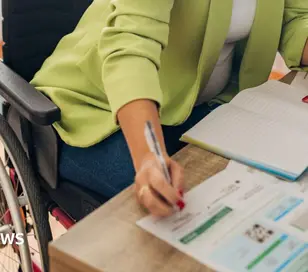
2. The Timms review of Personal Independence Payment is published today and is expected to recommend fast-tracked awards and fewer reassessments for the most severely disabled, but no major savings
A government-commissioned review of Personal Independence Payment (Pip), the main disability benefit, is due to be published on Tuesday. The BBC reported it is set to recommend that people with the most severe conditions and terminal illnesses get quicker payments, and that assessments be overhauled to give claimants in England and Wales more appropriate support. It is understood not to propose major savings.
The review is chaired by Disability Minister Sir Stephen Timms and was set up last year after the Starmer government’s abandoned attempt to cut welfare spending. Writing in The Times, Sir Stephen said those with the most severe and persistent conditions, believed to be about one in 10 claimants, would be fast-tracked with no further assessments. He told MPs on Monday the review would call for “a fundamental overhaul to rehumanise Pip”, that it should remain a “cash-first” benefit, and that claimants might choose to give up part of their award for services, along the lines of the Motability scheme.
About four million people claim Pip. The government expects to spend £32.1bn on it this year, rising to £41.5bn in 2030-31, compared with £16.3bn in 2019-20 at today’s prices. Disability groups, which helped draft the report, have broadly welcomed it, and the BBC said concerns about means-testing or vouchers are not borne out. The Adam Smith Institute called for tighter eligibility for lower-level mental health claims, and the Conservatives said Labour was “not serious” about fixing welfare. The government will respond to the proposals.
How it was framed
- BBC (UK, public-service) · Benefits review to suggest quicker payment for some disabled people. Focus 8: Sets out the expected recommendations, the spending figures and voices from a claimant, a charity and a free-market think tank, keeping the cost debate in proportion.
- Daily Mail (UK, commercial) · We must ‘rehumanise’ disability handouts… rather than save cash, says minister tasked with benefits review. Focus 4: Uses the word handouts and leads on the absence of savings, then pairs the review with a separate taxpayer group analysis of welfare spending in constituencies.
- The Times (UK, commercial) · Timms review: Disability benefits could be tailored for each claim. Focus 7: Focuses on the idea of awards matched to individual needs, the central design change the minister set out in his own article for the paper (headline).
- The Telegraph (UK, commercial) · Burnham plans to revive Starmer’s disability benefits cuts. Focus 3: Points in the opposite direction to most coverage, suggesting cuts are returning, a political reading that sits awkwardly with reports that the review proposes no major savings (headline).
- The Sun (UK, tabloid) · Disability benefits aren’t fit for purpose & must be tailored to every claimant, review says - after surge in diagnoses. Focus 5: Accepts the review’s main finding but adds a rise in diagnoses to the headline, hinting at doubts over who is claiming (headline).
- Independent (UK, commercial) · Sir Stephen Timms’ Pip review to call for overhaul as setup ‘no longer fit for purpose’. Focus 7: Keeps to the review’s own language about a system no longer fit for purpose, without attaching a cost or political verdict (headline).
- Daily Mirror (UK, tabloid) · Standard PIP payments should be replaced and system not fit for purpose, warns minister. Focus 6: Emphasises change to standard payments, which may worry readers more than other reports do, though it attributes the warning directly to the minister (headline).
- Daily Express (UK, tabloid) · DWP PIP update for 4m Brits as Andy Burnham ‘willing to change’ eligibility. Focus 4: A consumer-style update centred on what claimants might lose, putting eligibility changes up front although the review was not expected to tighten them (headline).
- The Guardian (UK, commercial) · How many more ‘landmark’ reforms of benefits for disabled people are we expected to take? | Frances Ryan. Focus 3: An opinion column sceptical of yet another reform exercise, speaking for disabled people worn down by repeated overhauls rather than describing the recommendations (headline).
Neutrality: 5/10.
3. Victims of crime are being failed ‘at every step’ of the justice system, the victims’ commissioner warns, as nearly half of crown court cases in her survey were postponed
Victims of crime in England and Wales are being failed at every stage of the criminal justice system, according to the annual survey by the Victims’ Commissioner, Claire Waxman, published on Tuesday. The report, based on more than 6,000 responses, found that 28% of victims chose not to report crimes to the police, rising to 39% among victims of rape and sexual assault. Nearly half (47%) of those whose cases went to the crown court saw their trial postponed, and in 28% of cases the trial took place more than a year after first scheduled.
The survey found 46% were dissatisfied with police communication, and more than half had to phone officers for updates. Only 58% received support within a month of referral, and about one in seven knew their rights under the Victims’ Code. Waxman said victims were “still being let down by a criminal justice system that too often treats them as an afterthought”, adding: “After more than a decade of decline, the cracks in the system are too deep to paper over.”
She told the BBC the state was “failing” to keep the public safe, criticised letters sent to victims ahead of early prisoner releases as “very poor”, and urged Andy Burnham to put justice reform in his 10-year plan. She is recommending a victim identifier number to track cases and an “end-to-end” review. Victims Minister Alex Davies-Jones said the government was doing “everything we can to fix the broken system we inherited” and would update the Victims’ Code next year.
How it was framed
- BBC (UK, public-service) · State failing to keep public safe, warns victims’ commissioner. Focus 7: Built around an interview in which the commissioner goes further than her report, so the strongest claim leads, but the minister’s reply and the survey figures are given in full.
- Daily Mail (UK, commercial) · Victims being failed ‘at every step’ of criminal justice system, according to damning report - just as thousands of thugs are freed early under Labour’s release scheme. Focus 5: Thorough on the statistics and victim testimony, but ties the report to Labour’s early release scheme in the headline and uses loaded language about the prisoners involved.
- Sky News (UK, commercial) · Victims failed at every step of criminal justice system - report. Focus 9: A direct summary of the report’s central finding, attributed to the report itself and without a political frame added to the headline (headline and summary).
- Daily Mirror (UK, tabloid) · Crime victims let down by justice system where the cracks are ‘too deep to paper over’. Focus 8: Uses the commissioner’s own memorable phrase as its headline, keeping the focus on her assessment rather than on any party’s record (headline).
- Independent (UK, commercial) · Victims of crime failed at every step of justice system, report warns. Focus 9: Mirrors the report’s wording closely and attributes it, presenting the survey as the news without commentary in the headline (headline).
- The Times (UK, commercial) · Third of victims refuse to report crime due to lack of trust in police. Focus 7: Picks out the reporting figure and links it to trust in policing, a narrower angle that singles out one agency from a report about the whole system (headline).
- The Telegraph (UK, commercial) · One in four crime victims does not bother calling police. Focus 6: Chooses the non-reporting statistic and phrases it as victims not bothering, which slightly shifts the emphasis from the system’s failings to victims’ choices (headline).
Neutrality: 7/10.
4. One in eight vapes seized from pupils in a Metropolitan Police pilot in south-west London schools were found to contain drugs including spice and THC
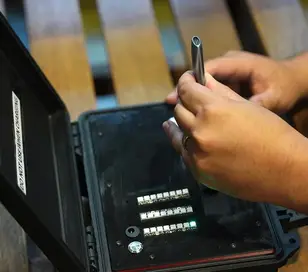
Vapes confiscated from schoolchildren in south-west London have been found to contain illicit drugs, in what the Metropolitan Police described as the first investigation of its kind. At least four of the 32 devices tested in the pilot, one in eight, contained substances such as cannabinoids and the synthetic drug spice, according to the force, and a further three are awaiting laboratory results but are believed to contain illicit materials.
The pilot was carried out amid growing concern over young people collapsing and being taken to hospital after inhaling substances hidden in vaping products. Officers used specialist kits designed to detect whether vapes had been spiked, technology that has more recently also been deployed in London’s night-time economy to tackle drink and drug spiking. Deputy Assistant Commissioner Ben Russell said the results showed “evidence of an emerging threat to children”, adding: “Whether knowingly or unknowingly, children carrying dangerous substances in schools is concerning.”
The Met said it had received around 200 reports over the past year linked to spiking offences involving child victims, with many young people becoming unexpectedly ill after using vapes they believed to be safe. The Daily Mail noted an earlier University of Bath study that found up to a quarter of vapes confiscated from secondary schools in England contained spice. In April, a 17-year-old student at a college in Kingston lost consciousness after allegedly using a vape believed to be laced with drugs, and forensic analysis later found two products contained a Class B drug. Police are urging anyone who thinks they have been spiked to report it quickly, as evidence can be lost within 12 to 24 hours.
How it was framed
- Daily Mail (UK, commercial) · One in eight vapes seized from pupils were laced with drugs. Focus 8: A detailed account of the pilot that relies mainly on the Met’s figures and quotes, adding the Bath study and the Kingston case for context without sensational framing.
- Sky News (UK, commercial) · Illicit substances found in one in eight vapes seized from students. Focus 9: Leads with the proportion and names the drugs found, staying close to the police findings with no added alarm in the summary (headline and summary).
- BBC (UK, public-service) · Vapes seized in schools spiked with drugs, Met says. Focus 8: Attributes the finding to the Met in the headline itself and uses the word spiked, the force’s own framing of how the drugs got there (headline).
- The Times (UK, commercial) · School vapes test positive in Met spiking trial. Focus 8: Short and factual, describing the exercise as a trial and its result without characterising the scale of the problem beyond the test (headline).
- The Sun (UK, tabloid) · One in eight vapes seized in schools found to contain drugs in police crackdown. Focus 7: Calls the pilot a crackdown, giving it a more forceful policing flavour than the small test programme described elsewhere (headline).
- Independent (UK, commercial) · One in eight vapes seized in schools during Met pilot contained illicit drugs. Focus 9: Precise about it being a pilot and about the proportion, a closely worded summary of the police findings (headline).
Neutrality: 9/10.
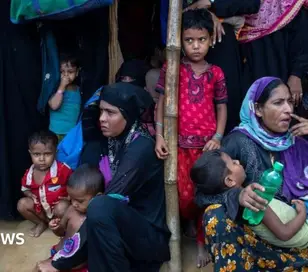
5. The UK sanctions five senior Myanmar military commanders after the UN’s top court ruled that the country committed genocide against the Rohingya
The UK has imposed sanctions on five senior Myanmar military leaders, days after the International Court of Justice ruled that the country carried out genocide against its Rohingya minority, the first time a state has been found guilty of the crime. The commanders named are Myo Htut Hlaing, Myo Min Tun, Myat Thet Oo, Kyaw Soe and Kyaw Swar Oo. Foreign Secretary Ed Miliband told MPs that Myanmar’s president, Min Aung Hlaing, already sanctioned by the UK in 2021, was “directly responsible for many of the atrocities” as head of the military in 2017.
“Our response to a crime as profoundly shocking as genocide must reflect our values and must be matched by clear action,” Miliband said. He confirmed new legislation to stop the supply of aviation fuel to Myanmar, called for a pause in hostilities, an end to air strikes on civilians and the release of political prisoners, and said the UK would raise the issue at the UN Security Council this week. Last week he expelled Myanmar’s defence attaché after the ruling.
The court found that “genocidal intent is the only reasonable inference” from the evidence, by nine votes to six, and determined that about 10,000 Rohingya were murdered during the 2017 clearance operation in Rakhine state. Myanmar denied the claims. The UK was joined by countries including Australia, Belgium, Portugal, Spain and Canada in acknowledging the ruling. In the Guardian, former prime minister Gordon Brown argued that words were not enough and set out further steps.
How it was framed
- BBC (UK, public-service) · UK sanctions top Myanmar military leaders after Rohingya genocide ruling. Focus 8: Lists the sanctioned commanders and the foreign secretary’s full set of measures, with the court’s findings and Myanmar’s denial given as background.
- Independent (UK, commercial) · UK sanctions Myanmar’s president and military leaders over Rohingya genocide. Focus 7: Puts the president in the headline alongside the commanders, while the BBC notes he was first sanctioned by Britain in 2021, context the headline leaves out (headline).
- The Guardian (UK, commercial) · Words are not enough after the Myanmar genocide ruling. The world can do better - but it must take these steps | Gordon Brown. Focus 3: An argument for stronger international action from a former prime minister, centred on what should happen next rather than on the sanctions announced (headline).
- Arab News (Saudi, commercial) · UK sanctions 5 people under Myanmar, human rights sanctions regimes. Focus 9: A bare official-style line that reads like the sanctions notice itself, reporting the designations without any wider framing about the court ruling or Britain’s motives (headline).
- France 24 (France, state-funded) · 14 countries acknowledge ICJ ruling of genocide against Rohingya. Focus 8: Widens the lens to the group of countries backing the court’s finding, treating Britain as one of several rather than the story (headline).
- Times of Israel (Israel, commercial) · 14 countries ‘acknowledge’ ICJ ruling that Myanmar committed Rohingya genocide. Focus 7: Carries the multinational statement and puts the word acknowledge in quotation marks, a slightly guarded presentation of the joint position (headline).
Neutrality: 8/10.
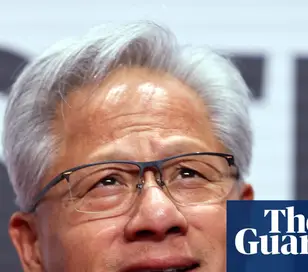
6. Nvidia reinstates Jensen Huang as chief executive after Donald Trump says he ‘convinced’ the board, adding about $1tn to its value and drawing bipartisan anger in Congress
Nvidia has reinstated Jensen Huang as president and chief executive, less than two weeks after he resigned following reports of extramarital affairs, including one with Alice Huang, a businesswoman alleged to have ties to Chinese intelligence, an allegation Beijing denies. Only last Tuesday the board had said it did not intend to bring him back. On Monday its chairman, Harvey Jones, said Huang was “the right person to lead Nvidia”, and the company said it had received input from “senior levels” of the US government and was confident his return posed no national security risk. An independent investigation into whether Huang was targeted by Chinese intelligence will continue.
Donald Trump told CNBC he had “convinced” the board, saying “I made the deal” and that it would be “a threat to lose him”. Asked whether the fall in Nvidia’s shares had influenced him, he said: “Probably so.” The shares jumped by about 31% to 32%, adding roughly $1tn to the company’s value and lifting Wall Street. ABC News reported that Trump owned at least $12m of Nvidia stock at the end of 2025; the White House says his portfolio is managed independently.
Democrats including Hakeem Jeffries and Elizabeth Warren called the decision indefensible and reckless, and Republicans including Tom Cotton, Don Bacon and Pete Ricketts demanded answers. On the same day the Commerce Department moved to blacklist Megaspeed, the Singapore firm Alice Huang ran. Huang is due to answer questions from House committees on 1 December.
How it was framed
- BBC (UK, public-service) · Trump faces backlash after saying he ‘convinced’ Nvidia to reinstate CEO Jensen Huang. Focus 6: Leads on the political reaction rather than the boardroom decision, but lays out the timeline, market move and Trump’s own Nvidia holdings in measured detail.
- The Guardian (UK, commercial) · Jensen Huang reinstated as Nvidia CEO after Trump intervenes. Focus 7: A full news account that ties the board’s U-turn directly to the president and covers the market rally, the Megaspeed blacklist and congressional criticism.
- Daily Mail (UK, commercial) · $1trillion rebound: Nvidia shares soar by 31.5% after Trump - who invests in the tech giant - pulls strings to get love-cheat microchip boss his job back. Focus 3: Packs the stock surge, Trump’s investments and the affair into a mocking headline, with labels like love-cheat setting the tone for everything below.
- ABC News (US, commercial) · Some Republicans condemn Jensen Huang’s reinstatement at Nvidia after Trump steps in. Focus 6: Gives space to Republican critics such as Pete Ricketts quoting the board’s own doubts about candour, a sharper focus on dissent than on the business story.
- NBC News (US, commercial) · Trump’s role in bringing Huang back to Nvidia met with bipartisan criticism. Focus 5: Frames the story around the president’s intervention and cross-party pushback, making Washington politics rather than the company the centre of attention (headline).
- New York Times (US, commercial) · Jensen Huang Returns to Nvidia After President Trump Intervenes. Focus 6: Describes Trump leading a campaign to reassure the board on security grounds, with the paper’s lead on the stock rally and lawmakers’ scepticism (headline and summary).
- Fox News (US, commercial) · Trump ‘directly and indirectly’ intervened to get Nvidia’s CEO reinstated, POTUS says. Focus 6: Centres the president’s own account of his role, quoting him in the headline without the criticism that dominated other American outlets (headline).
- Al Jazeera (Qatar, state-funded) · What Nvidia’s Jensen Huang’s return means for Washington and Wall Street. Focus 6: An explainer raising concerns about government meddling in corporate boardrooms alongside the market surge, after making the comeback its main live story.
- France 24 (France, state-funded) · Democrats vow probe after Trump forces Huang’s return as Nvidia CEO. Focus 4: Uses the verb forces, a firmer description of the president’s role than most outlets chose, with Democratic investigations as the hook (headline).
- CGTN (China, state) · Nvidia reinstates Jensen Huang as CEO after board reversal. Focus 8: A dry corporate summary built from the company statement, mentioning the national security assurance but leaving out the espionage allegations that triggered the resignation.
- RT (Russia, state) · Nvidia shares surge as board brings back Huang. Focus 7: Leads on the share price and quotes the board, noting the US spying accusation as background without amplifying or disputing it.
- TASS (Russia, state) · Jensen Huang reinstated as Nvidia CEO: what we know. Focus 8: A fact list from Moscow covering the unanimous vote, Trump’s approval and live share prices, with little interest in the security questions.
- DW (Germany, public) · Nvidia reinstates Jensen Huang as CEO despite China scandal. Focus 7: Keeps the China dimension in the headline with the word despite, signalling unresolved questions while reporting the decision itself (headline).
Neutrality: 5/10.
7. Ukraine confirms its naval drones sank the Russian corvette Merkury at Benghazi and hit a cargo ship off Libya, as both of Libya’s rival governments condemn the attack
Ukraine has confirmed that it carried out naval drone strikes on two Russian vessels off Libya on Sunday, including one that sank the corvette Merkury at its berth in Benghazi. The SBU security service said seven domestically made naval drones were launched from a mothership. President Volodymyr Zelensky called it “an exemplary operation” and posted footage showing drones striking the warship, which he described as one of Russia’s newest, commissioned in 2023. He said a Ka-27 military helicopter was also destroyed and that a second vessel, the cargo ship Angara, which he said was carrying weapons, had been hit.
The Russian Defence Ministry has not publicly confirmed the loss, and the Kremlin warned of an “escalation of tensions in the region” without commenting directly. Both of Libya’s rival administrations condemned the strikes. The UN-backed government in Tripoli demanded an official explanation from Kyiv, while the eastern authorities lodged a complaint with the UN and called for an investigation into claims that Ukrainian forces were present in western Libya. Musa al-Koni, deputy head of the Presidential Council, said Ukraine’s actions were tantamount to a declaration of war and that Libya would seek to put Zelensky on a terrorism watchlist. Albania denied reports that the drones were launched from its territory.
The local health ministry said it had received injured people from a commercial ship targeted off the coast. The strike, nearly 2,000 miles from Moscow, followed a suspected Ukrainian attack on a sanctioned ship in the Baltic and has raised questions about the war spreading.
How it was framed
- BBC (UK, public-service) · What strike on Russian ship in Libya says about spread of Ukraine war. Focus 6: An analysis of escalation that calls the attack audacious and successful, placing it within Russia’s campaign against Ukrainian civilians, so the framing leans towards Kyiv’s rationale.
- The Guardian (UK, commercial) · Ukraine confirms it used naval drones to strike two Russian ships off Libya. Focus 8: Built around the confirmation and the SBU’s technical account, with Zelensky’s statements quoted directly and limited editorial colour.
- CBS News (US, commercial) · Zelenskyy says Ukraine sank Russian warship off Libya’s coast. Focus 8: Attributes each claim to Zelensky, including the drone count and the helicopter, keeping a clear line between what Kyiv says and what is verified.
- Fox News (US, commercial) · Ukraine’s drone strike on Russian warship in Libya risks ‘serious escalation,’ former official warns. Focus 3: Gives the floor to a former official who calls the strike a giant tantrum by Zelensky, an unusually hostile take on Kyiv among Western outlets.
- Washington Post (US, commercial) · Ukraine says it sank Russian warship off coast of Libya, far from front line. Focus 8: Attributes the sinking to Ukraine’s own claim and stresses the distance from the front, a restrained framing of the geographic leap (headline and summary).
- France 24 (France, state-funded) · Live: Tripoli demands explanation from Kyiv for striking Russian ships in Libyan waters. Focus 7: Its lead live story centres Libyan sovereignty and the Tripoli government’s demand, shifting the focus from the battlefield to the host country (headline and summary).
- RT (Russia, state) · Senior Libyan official wants Zelensky on terrorism watchlist over drone strikes. Focus 3: Elevates the most punitive Libyan response and describes Zelensky’s claims sceptically, a framing that puts Kyiv in the dock rather than the Russian fleet.
- TASS (Russia, state) · Libya condemns Ukraine’s actions as being tantamount to declaration of war. Focus 2: Calls the operation a terror attack in its own voice and leads on the declaration-of-war remark, aligning the story with Moscow’s position.
- Al Jazeera (Qatar, state-funded) · Russia warns Ukraine of ‘dangerous trend’ after Libya and Baltic attacks. Focus 6: Puts Moscow’s warning at the top, linking Libya to the Baltic incident as a pattern while attributing the characterisation to Russia (headline).
- The Telegraph (UK, commercial) · Ukraine destroys £150m Russian warship at Libyan naval base. Focus 5: Leads on the price tag and the word destroys, a scoreboard framing that celebrates the hit more than it examines the consequences (headline).
- Independent (UK, commercial) · Kremlin responds after Ukraine blows up Putin’s £150m warship docked in Libya. Focus 4: Personalises the ship as Putin’s and uses blows up, mixing a dramatic tabloid tone with the Kremlin reaction (headline).
- Daily Mirror (UK, tabloid) · Kyiv celebrates smashing Putin’s ships - but war is spreading. Focus 4: Pairs Ukrainian jubilation with a warning about escalation, an emotive two-sided headline that leans on Putin’s name (headline).
- Arab News (Saudi, commercial) · Ukraine sinks Russian warship in Libya as conflict spreads beyond Europe. Focus 7: Presents the sinking as fact and draws out the wider spread of the war, with a regional outlet’s interest in conflict reaching North Africa (headline).
Neutrality: 4/10.
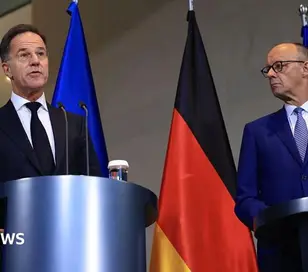
8. Nato chief Mark Rutte vows to defend the alliance in space after German media report that Russia is preparing to launch a nuclear-armed satellite, a claim the Kremlin dismisses
Nato’s secretary general, Mark Rutte, has said the alliance will defend against any threats in space after German media reported that Russia was preparing to launch a nuclear-armed satellite. The reports, by broadcasters NDR and WDR and the newspaper Sueddeutsche Zeitung, cited anonymous German military and intelligence sources and said intelligence about a possible launch within the next 60 days had been shared among Nato countries this month. They said the satellite, dubbed “Sputnik-S”, would carry a nuclear warhead and could be used to disrupt or destroy other satellites, including communication and observation satellites. It was not clear which country had produced the intelligence.
Speaking in Berlin, Rutte said: “We will always make sure we defend every inch of Nato territory, and that includes making sure we are safe when it comes to the space element.” German Chancellor Friedrich Merz did not confirm or deny the reports but said they “reveal the level of escalation Russia is evidently prepared to pursue”. A German government spokesman said Berlin was taking the reports “very seriously” but warned against “excessive nervousness regarding hypothetical dangers”.
Kremlin spokesman Dmitry Peskov said reports citing “unknown sources” were “hardly worth taking seriously”, and the Russian embassy in Berlin called them “unfounded allegations” and part of a “propaganda campaign”. Russia is a signatory to the 1967 Outer Space Treaty, which bans weapons of mass destruction in orbit. The head of the European Space Agency, Josef Aschbacher, described nuclear weapons in space as “the ultimate nightmare scenario”. In 2024 the US accused Russia of developing such a weapon, which Moscow denied.
How it was framed
- BBC (UK, public-service) · Nato chief vows defence against space threat after Russian nuclear satellite reports. Focus 8: Careful to attribute the intelligence to anonymous German sources, it gives the Kremlin denial, Merz’s non-confirmation and treaty context equal footing.
- France 24 (France, state-funded) · NATO vows space defence after Russia nuclear satellite report. Focus 8: Keeps to Rutte’s response and notes the reports came from unnamed German military and intelligence sources, without adding alarm (headline and summary).
- The Guardian (UK, commercial) · Germany taking seriously reports Russia may be planning to launch nuclear weapons into space. Focus 7: Leads on Berlin’s reaction and uses may be planning, a hedged phrasing that reflects the unconfirmed status of the intelligence (headline).
- The Times (UK, commercial) · Russia ‘plans to send nuclear-armed satellite into space this year’. Focus 6: Puts the claim in quotation marks to signal attribution, but presents the timetable more definitely than the sixty-day window reported in Germany (headline).
- The Sun (UK, tabloid) · Putin could launch nuke-armed satellite into SPACE in weeks, spy chiefs warn. Focus 3: Capital letters, nuke slang and Putin’s name turn an unconfirmed report into a looming threat, with spy chiefs presented as the source (headline).
- Independent (UK, commercial) · Russia ‘planning to launch satellite with nuclear weapon into space by end of the year’. Focus 6: Attributes the plan with quotation marks and an end-of-year timeline, a fairly sober rendering of the German reporting (headline).
- Daily Express (UK, tabloid) · Horror WW3 warning as Russia ‘set to launch nuke into space’ - Moscow breaks silence. Focus 2: Frames the report as a world war warning and the Kremlin denial as Moscow breaking silence, the most alarmist treatment among UK titles (headline).
- Fox News (US, commercial) · Russia could launch nuclear-capable satellite within weeks, Western intelligence warns: report. Focus 6: Credits Western intelligence and a media report, using nuclear-capable rather than nuclear-armed, a slightly softer description of the alleged weapon (headline).
- Al Arabiya (Saudi, commercial) · NATO warns of Russian nuclear-armed satellite, Kremlin dismisses reports. Focus 8: Balances the Nato response and the Kremlin dismissal in a single headline, giving neither side the last word (headline).
Neutrality: 5/10.
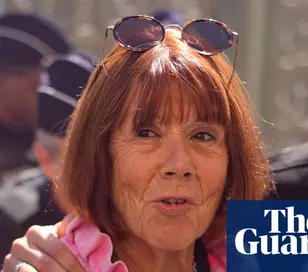
9. Gisèle Pelicot says she will sue a Paris publisher after nude photographs taken by her former husband were sent to the media to promote a book on coercive control
Gisèle Pelicot has said she will take legal action after nude photographs of her, taken by her former husband, were sent to the media without her consent to promote a book about coercive control. “I am deeply shocked that images from the most intimate part of my private life are being displayed and exploited for commercial purposes,” the 73-year-old told the French broadcaster BFM TV. “Today I find myself once again humiliated, exposed and hurt, as if the ordeal of the trial had not been enough.”
The essay is by Sabine Prokhoris, a philosopher and psychoanalyst who has previously criticised the Me Too movement, and one chapter concerns the Pelicot case. Its blurb describes coercive control as “a cornerstone of #MeToo orthodoxy”. The Guardian said the book suggests Pelicot was complicit in her abuse, and her lawyer, Christophe Bigot, said it “calls into question her status as a victim”. According to the French weekly Le Canard enchaîné, the small Paris publisher Tinbad emailed photographs to some outlets.
Tinbad apologised for what it called an “unfortunate” communication, said it had not sent “any images of rape or any pornographic videos”, and said there would be no further print runs beyond the 280 copies already in circulation. Prokhoris placed “full responsibility” on her publisher. Pelicot waived her anonymity during the 2024 trial in which her former husband, Dominique Pelicot, was jailed for 20 years for drugging and raping her and inviting other men to rape her while she was unconscious. Fifty men were convicted alongside him.
How it was framed
- BBC (UK, public-service) · Gisèle Pelicot ‘humiliated’ after nude photos sent to media to promote book. Focus 8: Leads with Pelicot’s own words, then sets out the publisher’s apology and the author’s response before recalling the trial, a careful and balanced account.
- The Guardian (UK, commercial) · Gisèle Pelicot ‘deeply shocked’ after nude images used to promote book. Focus 7: Describes the book as suggesting she was complicit, a firmer summary of its thesis than some outlets gave, while including the publisher’s partial denial.
- Daily Mail (UK, commercial) · Gisèle Pelicot responds to claims she consented to rape after publishers sent out pornographic images her husband took of her. Focus 4: Calls the images pornographic and frames the book as claiming consent to rape, stronger wording than the publisher accepts and than other outlets used.
- Sky News (UK, commercial) · Gisele Pelicot ‘deeply shocked’ as nude photos of her sent to media. Focus 8: Its leading story keeps to her reaction and the lack of consent, without characterising the book beyond its subject (headline and summary).
- The Times (UK, commercial) · Gisèle Pelicot sues after publisher ‘uses explicit photos of her to sell essay’. Focus 7: Moves straight to the legal action and puts the most serious allegation in quotation marks, attributing rather than asserting it (headline).
- France 24 (France, state-funded) · ‘Deeply shocked’: Gisèle Pelicot to sue publisher after nude photos used in book campaign. Focus 8: The French public broadcaster recalls why she became a symbol and reports the planned legal action plainly (headline and summary).
- ABC Australia (Australia, public) · Pelicot ‘once again humiliated’ as nude photos used to promote book. Focus 8: Uses her own phrase about renewed humiliation and the basic facts, without judgement on the author or publisher (headline).
Neutrality: 8/10.
10. A US appeals court clears the way for the Army to detonate five tons of degraded lead azide explosives in Iowa on Wednesday, despite warnings of toxic lead dust
A federal appeals court has declined to block the US Army from detonating about five tons of degraded explosives containing lead azide at its ammunition plant in Middletown, Iowa. The 8th Circuit Court of Appeals, which had temporarily paused the plan last week, ruled on Monday that the environmental groups challenging it had failed to show they were likely to succeed. “We are mindful of the very real risks,” the judges wrote, but said the material presented “a risk of an uncontrolled and unplanned explosion” without the safety measures in the permit.
Acting Army Secretary Adam Telle said every agency involved agreed the Army should proceed with “an extensively mitigated, carefully controlled detonation”, which would take place on Wednesday morning, depending on wind conditions. The Army said Iowa Governor Kim Reynolds had given her support. Earlier on Monday, President Trump had said the detonation would not go ahead unless the court allowed it and the Democratic governor-elect, Rob Sand, signed off, warning that otherwise Sand would be held responsible for any “death or destruction”. Sand said the administration should decide on the basis of its own experts’ advice.
The Sierra Club and the Iowa Environmental Council had argued the blast could create a plume of lead dust reaching as far as 100 miles, and politicians from both parties in Iowa and Illinois criticised the plan. The Army says it must act before cold weather makes spontaneous explosion more likely. The material has been stored for decades in earth-covered containers near the Mississippi River.
How it was framed
- CBS News (US, commercial) · Appeals court clears way for Army to detonate Iowa explosives. Focus 8: A comprehensive report quoting the ruling, the Army, Trump, the governor-elect and the environmental groups, leaving readers to weigh the competing risks.
- NBC News (US, commercial) · Court allows Army to go forward with planned detonation of toxic drums in Iowa. Focus 7: Describes the material as toxic drums, a vivid but fair label, and centres the court decision as the development (headline).
- New York Times (US, commercial) · Court Clears the Way for Iowa Ammunition Detonation; Trump Addresses the Crisis. Focus 6: Links the ruling to Trump’s intervention and calls the situation a crisis, giving the political handling equal billing with the legal news (headline).
- CNN (US, commercial) · US Army to detonate explosives in Iowa on Wednesday after court green-lights plan. Focus 8: Leads with the date and the court’s approval, the practical facts residents most need, in neutral language (headline).
- Fox News (US, commercial) · Federal appeals court clears Army to detonate volatile Iowa explosives as Dem gov-elect refuses to sign off. Focus 4: Adds that the Democratic governor-elect refuses to sign off, echoing the president’s attempt to place responsibility on him (headline).
- Washington Post (US, commercial) · Court clears way for Army plan to detonate hazardous chemicals in Iowa. Focus 8: A plain statement of the ruling using hazardous chemicals, with no political actors named in the headline (headline).
- Al Jazeera (Qatar, state-funded) · ‘Extremely concerning’: Inside a US Army plan to detonate Iowa lead stores. Focus 5: Leads with a worried quotation and an inside look at the plan, foregrounding health fears over the legal and safety arguments for detonation (headline).
- Reuters (International, commercial) · Army invokes emergency powers to detonate lead in Iowa, bypass court order. Focus 6: Emphasises emergency powers and bypassing a court order, an angle about executive authority rather than about the appeals judges’ eventual decision (headline).
- BBC (UK, public-service) · US Army to detonate tonnes of unstable explosives in Iowa despite court order. Focus 6: Reports the Army’s determination to proceed and the word despite, stressing tension with the courts rather than the eventual ruling (headline).
- The Guardian (UK, commercial) · Federal court clears way for army to detonate bomb-making chemicals in Iowa. Focus 7: Uses bomb-making chemicals, a slightly more alarming description of the lead azide, but reports the appeals court’s decision directly and without political actors (headline).
- Independent (UK, commercial) · Court allows Army to detonate dangerous Iowa explosives after Trump intervention. Focus 6: Connects the decision to Trump’s intervention in its headline, putting the president at the centre of a ruling made by three appellate judges (headline).
Neutrality: 6/10.
11. Iran’s Revolutionary Guards say three oil tankers caught fire after hitting naval mines in the Strait of Hormuz, as Donald Trump says Iranian attacks are at their highest in over a year
Iran’s Islamic Revolutionary Guard Corps says three oil tankers “suffered a severe explosion and fire after hitting naval mines” in the Strait of Hormuz. The state news agency IRNA said the vessels had been trying to pass through “unsafe routes”, while the Tehran Times reported two supertankers struck mines.
The claims come as the US enforces a naval blockade of Iran’s ports in the Gulf and the Gulf of Oman, and Iran asserts control over the strait. ABC News said talks remain stalled despite a memorandum of understanding signed in June, aimed at ending the war that began with US and Israeli strikes in February. Donald Trump posted that “Iran has launched more drones and missiles in the last week than at any time for over a year”, adding that all had been knocked down. ABC’s analysis of maritime data found reported attacks around the strait were higher in October and November than in any month since the war began. Qatar’s prime minister told Al Jazeera the region could not withstand another escalation, and Iran’s foreign ministry said security could be restored quickly if Washington met its conditions.
How it was framed
- Al Jazeera (Qatar, state-funded) · Iran war live: Iran says three ships catch fire after hitting Hormuz mines. Focus 6: Its live lead attributes the mine claim to the Revolutionary Guards and pairs it with Qatar’s warning against escalation, giving the regional diplomatic angle weight.
- IRNA (Iran, state) · Three more offending tankers hit mines in Strait of Hormuz. Focus 2: Calls the ships offending and blames their use of unsafe routes, presenting the incidents as the vessels’ own fault in the state agency’s voice (headline and summary).
- ABC News (US, commercial) · Iran live updates: Iranian attacks spike over past week, Trump says. Focus 7: Grounds the story in maritime data showing attacks at a wartime high, alongside Trump’s claim that all Iranian launches were intercepted.
- Times of Israel (Israel, commercial) · IRGC says 3 oil tankers caught fire after hitting naval mines in Hormuz - Iranian report. Focus 8: Double-attributes the claim to the Guards and an Iranian report, a cautious framing that neither confirms nor dismisses it (headline).
- Tehran Times (Iran, government-linked) · Two supertankers hit sea mines in Strait of Hormuz, IRGC says. Focus 5: Reports a different count from IRNA and relays the Guards’ account without challenge, a government-linked framing of Iranian control of the waterway (headline).
- CBS News (US, commercial) · Trump downplays Iran’s latest attacks as it vows to use all means to end U.S. blockade. Focus 6: Frames the day around the president minimising the threat and Iran’s vow, a two-sided headline focused on Washington’s response (headline).
- CNN (US, commercial) · Iranian attacks in the Strait of Hormuz are at the highest levels since the conflict began. Focus 7: Leads with the escalation trend rather than any single Iranian claim, a data-driven framing of the threat to shipping (headline).
Neutrality: 3/10.
12. California Democrat Jimmy Gomez says he will resign from Congress after a House Ethics Committee report finds ‘substantial evidence’ of sexual misconduct towards a staffer
Representative Jimmy Gomez, a California Democrat, says he will resign from Congress on 1 December after a House Ethics Committee report found “substantial evidence” that he “engaged in sexual misconduct” towards a House staffer. The 19-page report said Gomez made unwanted sexual advances on two occasions, including one in which he made sexual contact with her and another in which he was “forceful” with her in his congressional office. NBC News reported that the committee said his behaviour could constitute “criminal misdemeanor sexual abuse”.
Gomez said he took “full responsibility for the personal mistakes I committed outside of my marriage” but had “strong disagreements with the committee’s report and its conclusions”, saying it left out key parts of his testimony and that his statements were selectively quoted. He said he saw “no other alternative than to resign”. Gomez, who represents parts of Los Angeles, lost his re-election bid this month to the democratic socialist Angela Gonzales-Torres and was due to leave in January. House Democratic leaders called the report “serious and deeply troubling” and said it was appropriate that he was stepping down.
How it was framed
- NBC News (US, commercial) · Democratic Rep. Jimmy Gomez to resign after Ethics Committee finds he engaged in sexual misconduct. Focus 8: Sets out the committee’s findings, including the possible criminal characterisation, and gives Gomez’s objections to the process at length.
- New York Times (US, commercial) · Rep. Jimmy Gomez Resigns After Panel Alleges Unwanted Sexual Contact With Aide. Focus 8: Uses alleges and notes that Gomez disputes the findings, a carefully hedged account of the report and his decision (headline and summary).
- CBS News (US, commercial) · Rep. Jimmy Gomez to resign after House Ethics panel finds “substantial evidence” of sexual misconduct. Focus 8: Quotes the committee’s evidential standard directly in the headline, attributing the finding to the panel rather than stating the misconduct as established fact (headline).
- CNN (US, commercial) · House report: Rep. Gomez made unwanted sexual advances toward former Hill staffer. Focus 7: Leads with what the ethics report describes rather than with the resignation, putting the alleged conduct towards a former staffer ahead of the political consequence (headline).
- The Guardian (UK, commercial) · Jimmy Gomez to resign after House ethics panel finds evidence of sexual misconduct. Focus 8: A clear summary of the report and both Gomez’s and Democratic leaders’ responses, with his electoral defeat as context.
- BBC (UK, public-service) · California Democrat Jimmy Gomez to resign from Congress after evidence of sexual misconduct. Focus 8: A straightforward headline for a UK audience that identifies his state and party and reports the resignation and its cause (headline).
Neutrality: 8/10.
13. A federal judge unseals redacted court records about the federal search of Representative Ilhan Omar’s Washington home, showing prosecutors cited alleged offences dating back to 1980
A federal judge has unsealed more than 160 pages of court documents relating to the search last month of Representative Ilhan Omar’s home in Washington. Chief US District Judge James Boasberg allowed some records to be released with redactions after a coalition of news organisations sought access. NBC News reported that the search warrant itself was not among the documents, and that about half the pages are mostly or entirely redacted.
CBS News reported that officials applied on 2 October for a warrant covering records relating to redacted violations “involving Ilhan Nur Said Elmi a/k/a Ilhan Abdullahi Omar, and occurring between 1980 to the present”, and that a judge signed it on 9 October. The Daily Mail said prosecutors described themselves as in a “pre-indictment investigation” and that no charges are listed; it linked the name used in the filings to a long-standing allegation that Omar married her brother, which she has consistently denied. The unredacted portions show Magistrate Judge Matthew Sharbaugh repeatedly asking the Justice Department to explain its theory of probable cause, and an exchange over protections for Omar’s legislative work. Omar has not been charged.
How it was framed
- NBC News (US, commercial) · Judge unseals documents related to search of Rep. Ilhan Omar’s home. Focus 8: Focuses on the procedural safeguards the magistrate demanded and stresses what the records do not contain, a restrained reading of heavily redacted files.
- CBS News (US, commercial) · Federal court releases Rep. Ilhan Omar D.C. home raid documents. Focus 7: Quotes the warrant application’s wording and dates directly, sticking to what the unredacted text shows while using the word raid.
- Daily Mail (UK, commercial) · Ilhan Omar search warrant unsealed as documents reveal decades-long ‘target offenses’ by Somali-born politician sparked raid on DC home. Focus 2: Leads on her birthplace and alleged decades of offences, and revives the marriage allegation she denies, though it notes no charges have been filed.
- Fox News (US, commercial) · Unsealed warrant documents for Ilhan Omar’s DC home raid reveal decades-long scope of investigation. Focus 4: Emphasises the length of the investigation, the most damaging element for Omar, over the judicial scrutiny visible in the records (headline).
- Washington Post (US, commercial) · Judge demanded safeguards before search of Rep. Omar’s home, records show. Focus 8: Highlights the court’s checks on the Justice Department, a framing about process and constitutional limits rather than the allegations (headline).
- Independent (UK, commercial) · Records: Government, judge debated constitutional implications of searching Rep. Ilhan Omar’s home. Focus 8: Carries the agency report’s focus on the constitutional debate over searching a sitting lawmaker’s home, without characterising the suspected offences (headline).
Neutrality: 5/10.
14. Mexico says it will put alleged cartel leader ‘El Chapo Isidro’ on trial at home despite a US extradition request, and confirms US surveillance drones helped track him
Mexico will try Fausto Isidro Meza Flores, the alleged cartel leader known as “El Chapo Isidro”, in its own courts despite a request from the United States to extradite him, Attorney General Ernestina Godoy said on Monday. “We are going to put him on trial in this country,” she told reporters. Al Jazeera said the move could strain already tense relations between the two countries.
Meza Flores, one of the FBI’s 10 most wanted fugitives, was captured on Friday after an hours-long firefight at a compound in Guasave, in Sinaloa state, and flown to Mexico City. He faces local charges of weapons offences and possession of methamphetamine with intent to sell. Mexico’s defence ministry said four soldiers and 16 alleged gunmen were killed in the operation. Security Minister Omar Garcia Harfuch said Washington had requested his extradition.
President Claudia Sheinbaum said US authorities provided intelligence support but did not take part on the ground, and officials said US surveillance drones had been authorised to help track him before the raid, a sensitive issue given recent tensions over US anti-drug operations in Mexico. US authorities accuse him of running a network trafficking heroin, cocaine, methamphetamine and fentanyl across the border.
How it was framed
- Al Jazeera (Qatar, state-funded) · Mexico to try ‘El Chapo Isidro’ despite US extradition request. Focus 7: Frames the decision as a test of US-Mexico relations, with the attorney general’s quote, the casualty figures and the drone disclosure set out clearly.
- France 24 (France, state-funded) · US flew surveillance drone over Mexico to help capture top drug lord. Focus 7: Leads on the US drone, the sensitive sovereignty angle, and notes such cooperation can be controversial (headline and summary).
- Washington Post (US, commercial) · Mexico used U.S. drones to arrest alleged drug trafficker ‘El Chapo Isidro’. Focus 7: Puts American hardware at the centre of the capture while keeping the word alleged for the suspect (headline).
- Reuters (International, commercial) · Alleged drug lord ‘El Chapo Isidro’ will be tried in Mexico despite US extradition request. Focus 8: A plain wire account of the trial decision and the competing American extradition request, with the suspect consistently described as an alleged drug lord (headline).
- The Guardian (UK, commercial) · Vehicles burn on Mexican highway after capture of ‘El Chapo Isidro’ - video. Focus 4: Uses footage of burning vehicles on a highway, showing the violent aftermath of the capture rather than the later legal and diplomatic developments (headline).
Neutrality: 6/10.
15. Denmark’s Supreme Court upholds the country’s ‘ghetto law’, backing evictions designed to reduce the share of ‘non-Western’ residents on social housing estates
Denmark’s Supreme Court has upheld the country’s 2018 “ghetto law”, ruling in favour of a housing association that terminated 91 leases to stop its estate being labelled a “hard ghetto”. DW reported that the law allows the relocation of “non-Western” residents from minority-heavy neighbourhoods in the name of integration, and requires social housing estates to rebuild, renovate and adjust their social mix if they become minority-heavy.
The ruling upheld a 2022 lower court decision against seven tenants in Nojsomhed, Helsingor, north of Copenhagen, who had fought their evictions. The court found the law was not discriminatory in its treatment of immigrants and their descendants from non-Western countries, diverging from a decision by the EU’s top court last year that found its application could amount to discrimination. Housing Minister Jacob Mark welcomed the decision, saying it “strengthens security, social cohesion and integration”. Denmark’s tough immigration policies have made it a model for some EU governments, and DW noted it was among five countries that last week announced plans for an asylum deportation hub in Rwanda.
How it was framed
- DW (Germany, public) · Denmark: Top court backs hardline law against ‘non-Westerners’. Focus 7: Calls the law hardline but sets out the ruling, the EU court’s earlier view and the minister’s welcome, giving both legal positions.
- Al Jazeera (Qatar, state-funded) · Danish court backs ‘ghetto law’ used to evict ‘non-Western’ residents. Focus 5: Puts eviction and the non-Western label in the headline, foregrounding the human impact on residents over the government’s integration case (headline).
- Reuters (International, commercial) · Denmark’s top court backs ‘ghetto law’ evictions in boost to country’s hard line on immigration. Focus 7: Frames the ruling as a political boost for Copenhagen’s hard line on immigration, an interpretive angle but measured in tone and attributed to the court (headline).
Neutrality: 6/10.